





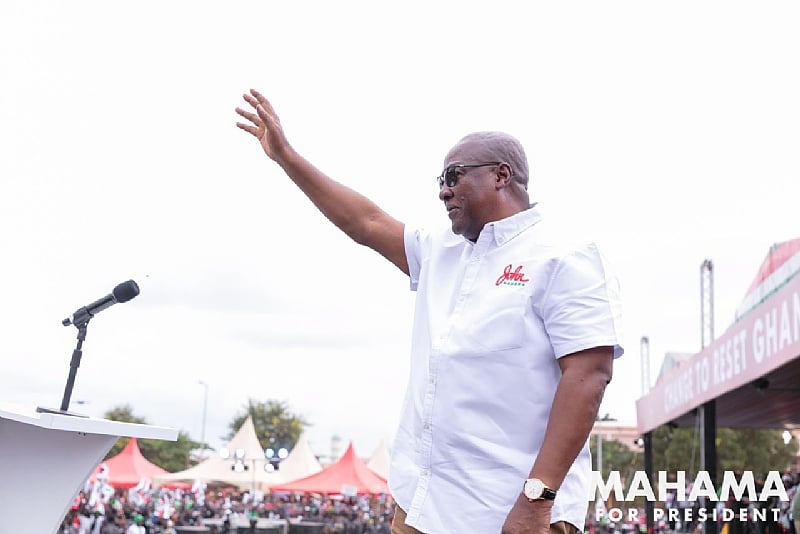
In light of the upcoming 2024 general elections, John Dramani Mahama, the flagbearer of the National Democratic Congress (NDC), has urged for meaningful actions to support the recently signed peace pact aimed at fostering enduring peace throughout the electoral process. During the signing ceremony held in Accra on November 28, Mahama voiced concerns that without tangible efforts, the peace agreement could ultimately fail to make a significant impact despite its positive intentions. He stressed the need for stakeholders, including the government, to turn verbal commitments into actionable plans that genuinely ensure the maintenance of peace during this crucial period in Ghana’s political landscape.
Mahama articulated the gravity of the situation, indicating that while the intention of committing to peace is commendable, it risks being rendered useless if insincerity and mistrust persist among the various parties involved. He pointed out that merely reciting positive sentiments does not equate to genuine commitment; rather, it must be accompanied by decisive actions that demonstrate reliability and faith in the process. The former president warned that mistrust often stems from a gap between what is said and what is executed, particularly when there appears to be manipulation from those in power. This dissonance must be addressed to foster a trustful environment conducive to a peaceful electoral process.
The peace pact that Mahama referred to was formally signed by all twelve presidential candidates participating in the elections, serving as an official commitment to uphold peace and prevent violence before, during, and after the electoral period. This agreement highlights the importance of unity and stability in political campaigns, promoting a culture of respect rather than discord. Alongside Mahama, notable signatories included Vice President Dr. Mahamudu Bawumia, representing the New Patriotic Party (NPP), as well as other candidates drawn from various political affiliations, underscoring a collective acknowledgment of the importance of peace in the upcoming elections.
Despite the commendable act of signing the peace pact, Mahama reiterated that the essence of the agreement lies in the ability of the signatories to translate their commitments into reality. Stakeholders must engage in follow-up actions to ensure that the terms of the pact yield real results. Mahama urged that genuine efforts must be undertaken to bridge any gaps of mistrust and insincerity—an endeavor that requires cooperation from all political entities and a commitment to transparency and accountability within the electoral process.
Furthermore, Mahama emphasized the need for active participation from civil society and grassroots organizations to monitor the adherence to the peace pact. He called for the establishment of mechanisms that can effectively track and evaluate progress, ensuring that the conditions of the peace pact are consistently upheld. This involvement not only serves as a counterbalance to political actors but also empowers communities to engage in safe and constructive dialogue about their expectations for the elections, creating a supportive environment for peaceful participation.
In conclusion, as Ghana approaches the 2024 general elections, the call for tangible actions from Mahama resonates powerfully within the political discourse. The peace pact stands as a pivotal moment for electoral integrity, reminding all actors of their collective responsibility to prioritize national cohesion and stability. Actualizing these sentiments through honest cooperation and effective measures is essential to avoid the pitfalls of mistrust that could jeopardize the electoral process. Only through steadfast commitment and proactive engagement can the aspirations for peace be realized, making the elections a genuine reflection of the democratic will of the people.








