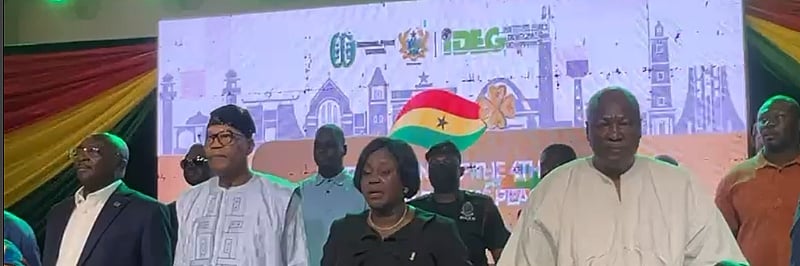
In an effort to ensure a peaceful electoral process ahead of the December 7, 2024 elections, political parties and their presidential candidates in Ghana have come together to sign a peace pact. This agreement signifies the collective commitment of these parties and their candidates to uphold peace before, during, and after the upcoming polls. The Electoral Commission (EC) has played a crucial role in this initiative, urging all political parties to accept the results of the elections, irrespective of the outcome. This pact highlights the critical need for cooperation and resilience among the parties as they engage in a contest that is pivotal for the democratic fabric of the nation.
Chairperson of the EC, Jean Mensa, was present at the signing of the 4th Presidential Election Peace Pact in Accra on November 28. During this event, she reassured citizens that robust measures are being put in place to ensure that the elections are conducted in a peaceful, free, fair, and transparent manner. Mensa’s remarks aimed to bolster public confidence in the electoral process and underscore the importance of a stable environment during this significant democratic exercise. Her commitment to promoting peace was a central theme, aimed at reassuring the public that the EC is dedicated to maintaining order throughout the lead-up to the 2024 general elections.
Dr. Mahamudu Bawumia, the flagbearer of the ruling New Patriotic Party (NPP), made an impassioned appeal for all stakeholders, including political parties, the media, and security forces, to prioritize peace during and after the elections. He reminded everyone that Ghana has historically navigated its electoral processes without significant disturbances, underscoring the importance of maintaining this tradition. Bawumia’s call to action reflects a broader desire among the political elite to instill confidence in the electoral process and reinforce the message that democracy thrives on peace and mutual respect among rival parties.
Conversely, John Dramani Mahama, the flagbearer of the National Democratic Congress (NDC), expressed significant concerns regarding the enforcement of accountability for those who instigate violence. He warned that the lack of effective action against such individuals can severely undermine the credibility of peace initiatives like the pact that was signed. Mahama’s remarks draw attention to the fact that mere words and agreements are insufficient without concrete actions to back them, as inaction could render such peace pacts meaningless. This tension highlights the complexities of maintaining peace in a politically charged environment and the urgency of fostering trust.
The dialogue surrounding the peace pact reflects the broader political landscape in Ghana, characterized by heightened sensitivity to past electoral violence and disputes. The pledges made by political leaders serve as a reminder of the necessity for all stakeholders to remain vigilant and proactive in their efforts to preserve peace. The EC’s involvement and resolutions to bolster electoral integrity are seen as vital steps towards mitigating tensions and ensuring a smooth electoral process. It is crucial for elected officials to embody the spirit of collaboration and for party supporters to engage respectfully with one another.
In conclusion, the signing of the peace pact by political parties and their presidential candidates represents a vital step toward ensuring a peaceful electoral process in Ghana. The commitment to uphold peace from both the EC and party leaders is essential for maintaining public trust in the democratic process. As the nation prepares for the upcoming elections, the joint responsibility of all stakeholders—including political parties, security agencies, and the media—will be paramount in fostering a stable environment. The proactive stance taken by both Bawumia and Mahama underscores the necessity of action alongside words to safeguard Ghana’s democratic journey as it approaches this significant electoral milestone.