The New Patriotic Party (NPP) has approached the recent endorsement of the National Democratic Congress (NDC) by the People’s National Convention (PNC) with a sense of indifference, underlining its confidence ahead of the 2024 elections. The PNC’s decision, announced during a press briefing on November 27, came after the party’s disqualification from the presidential race due to errors found in its nomination forms by the Electoral Commission (EC). The endorsement signifies a strategic move by the PNC but has been met with skepticism from the NPP, which argues that the decision does not reflect the sentiments of the broader PNC membership but rather the opinions of its leadership.
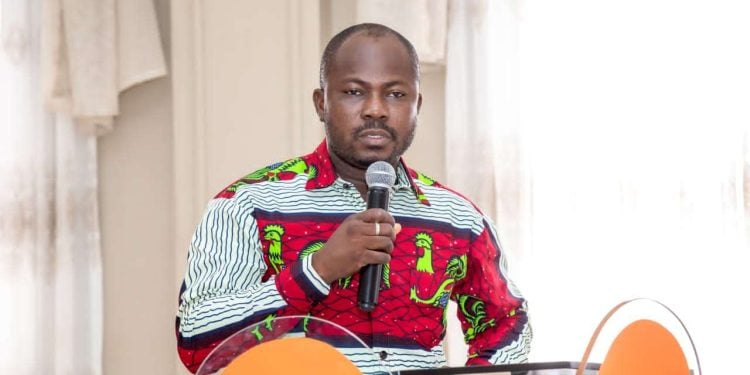
NPP Deputy General Secretary Haruna Mohammed has publicly dismissed the significance of the PNC’s endorsement. Speaking with Citi News, Mohammed emphasized that the endorsement was not representative of the grassroots members of the PNC. He pointed out that the decision was primarily made by the party’s leadership, which, in his view, has historically aligned itself with the NDC. To emphasize his point, he referenced prominent PNC figures, particularly Bernard Monarh, whom he accused of having a longstanding affinity for the NDC. This alignment raises questions about the PNC’s independence and electoral viability following their recent disqualification.
Moreover, Mohammed expressed confidence that the NPP could engage the PNC’s grassroots members effectively. He believes that the NPP has the capacity to communicate its vision and policies to those disillusioned by the leadership’s decision to endorse the NDC. The NPP’s leadership is committed to bridging the gap with PNC members, persuading them to align with the NPP’s goals, which Mohammed argues are centered on fostering industrial transformation and improving the lives of Ghanaians. By focusing on these key issues, the NPP hopes to sway PNC supporters to its side, leveraging the leadership’s disconnect with the base.
In his statements, Mohammed contends that the endorsement does not pose a substantial threat to the NPP’s electoral prospects. He characterized the PNC’s leadership decision as disconnected from the views of its grassroots members. The deputy general secretary’s comments reflect a broader narrative within the NPP that seeks to frame the opposition as lacking in genuine support and coherence. By discrediting the endorsement, the NPP aims to solidify its position as a viable choice for voters seeking transformation and leadership in Ghana.
The political dynamics between the NPP and PNC illustrate a complex landscape where endorsements can significantly impact electoral outcomes. The PNC’s choice to support the NDC could signal a strategic alliance intended to consolidate opposition to the ruling party. However, if the NPP can effectively communicate its message and establish a rapport with members of the PNC, it could mitigate the potential impact of the endorsement. The NPP’s approach focuses on broadening its appeal and reinforcing its commitment to addressing the critical needs of the populace while maintaining a critical stance against their opposition.
As the 2024 elections approach, the implications of the PNC’s endorsement will unfold within the broader electoral contest. The NPP’s dismissal of the announcement may serve to embolden their campaign strategy, framing the situation as an opportunity to regain support from discontented voters. Nonetheless, it remains to be seen how this endorsement will influence voter behavior and the potential alliances that may emerge within the political landscape. The unfolding developments in the lead-up to the elections will be crucial as political parties seek to win over the electorate in a rapidly changing political environment.