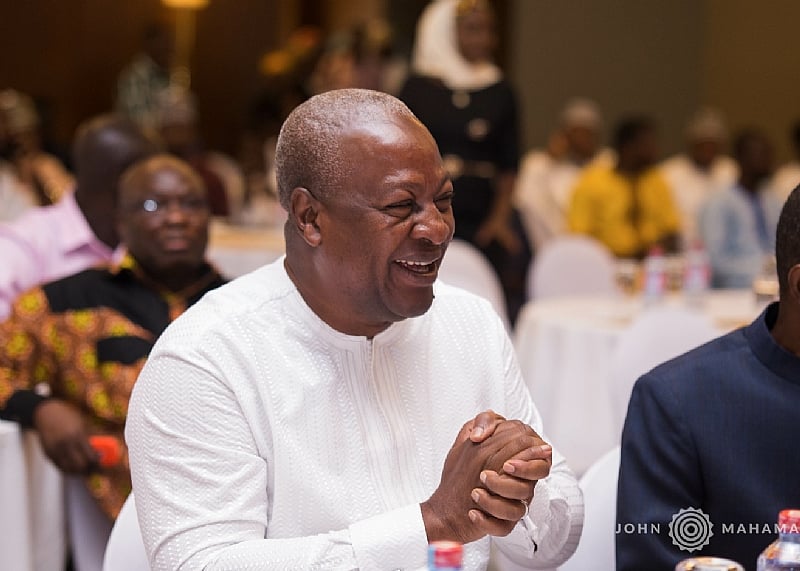
Lecturers from the University for Development Studies (UDS) have publicly endorsed former President John Dramani Mahama in anticipation of the December 7 elections. In an open letter released on December 4, they articulated their support by highlighting Mr. Mahama’s impressive track record and the hope he represents for Ghana’s future. They emphasized that his leadership reflects the qualities essential for steering the country through its present challenges, underscoring a commitment to democracy, good governance, and social justice. This endorsement positions Mahama as a crucial figure in Ghana’s political landscape in addressing the issues that the nation faces today.
The lecturers articulated admiration for Mr. Mahama’s leadership style, describing it as one marked by humility, empathy, and an active engagement with the populace’s concerns. They noted that during his presidency, Mahama exhibited a strong commitment to fortifying democratic institutions, promoting transparency, and prioritizing citizen welfare. Such attributes are deemed indispensable in tackling the socio-economic dilemmas currently plaguing the country, suggesting that Mahama’s past governance aligns well with the urgent need for effective leadership in Ghana.
Moreover, the group urged Ghanaians to reject the ruling New Patriotic Party (NPP) and its presidential candidate, Dr. Mahamudu Bawumia. They asserted that the National Democratic Congress (NDC), led by Mahama, symbolizes a vital source of hope for the nation. This call to action is indicative of their belief in the NDC’s potential to revitalize the country’s fortunes and restore public faith in governance, which they argue has been compromised under the current administration.
The letter from the UDS lecturers reflects a broader narrative within the body politics of Ghana, where questions about the effectiveness of current leadership are intertwined with aspirations for a more equitable and prosperous future. Their endorsement of Mahama is not just a personal support but a collective assertion that the values he embodies resonate with the broader needs of the Ghanaian populace. They passionately argue for the NDC’s vision to ensure that governance serves the interests of all citizens, not just a privileged few.
By openly declaring their support for Mahama, the lecturers are leveraging their positions to influence public opinion and galvanize voter sentiment ahead of the elections. Their confidence in Mahama’s ability to restore integrity and fairness to governance is rooted in his past performance, which they believe set a benchmark for a more inclusive and accountable leadership. The letter serves as a clarion call for citizens to consider the implications of their voting choices on the nation’s direction and governance.
In conclusion, the UDS lecturers’ endorsement of John Dramani Mahama underscores a significant alignment between academic perspectives on governance and the imperatives of political leadership in Ghana. Their advocacy for a government that prioritizes social and economic justice hints at a desire for transformative change, promoting a narrative that challenges the status quo. As Ghana approaches a critical electoral juncture, the sentiments articulated by these educators reflect a plea for reasoned choices that pave the way for a just, equitable, and prosperous future for the nation.