





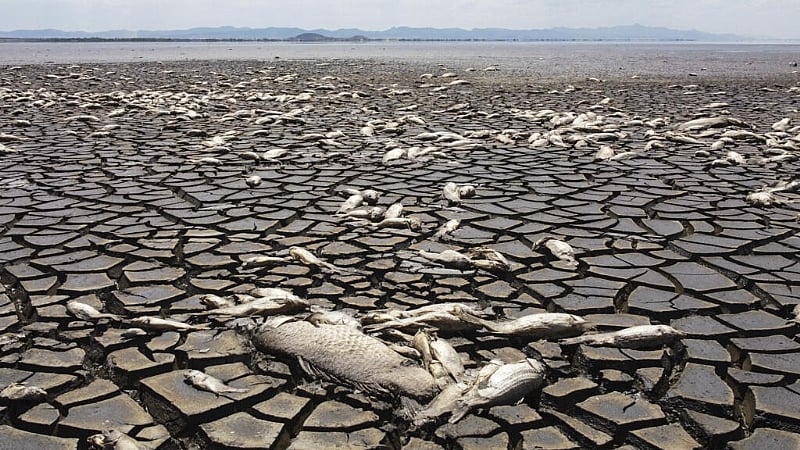
Paragraph 1: The Unprecedented Heat of 2024
The year 2024 etched its name in history as the hottest year ever recorded, marking a significant turning point in the planet’s climate trajectory. Scientists confirmed that global temperatures, for the first time in a full year, surged beyond 1.5°C above pre-industrial levels. This alarming milestone was announced by the European Union’s Copernicus Climate Change Service (C3S), underscoring the accelerating pace of climate change and its profound implications for the planet and its inhabitants. The average global temperature in 2024 reached a staggering 1.6°C above the pre-industrial baseline (1850-1900), surpassing the previous record set in 2023 by over 0.1°C. This stark reality further solidified the trend of escalating global temperatures, with each of the past ten years claiming a spot among the ten warmest on record. This consistent upward trajectory highlights the urgency of addressing the root causes of climate change and mitigating its devastating effects.
Paragraph 2: The 1.5°C Threshold and the Paris Agreement
The surpassing of the 1.5°C threshold holds immense significance in the context of the 2015 Paris Agreement. Under this landmark accord, world leaders committed to limiting global warming to well below 2°C, preferably 1.5°C, above pre-industrial levels. While exceeding 1.5°C in a single year does not constitute a breach of the Paris Agreement, which considers longer-term temperature averages, it serves as a stark warning of the precarious path the planet is on. The continued reliance on fossil fuels and the resulting increase in greenhouse gas emissions are driving global temperatures relentlessly upwards, edging the world closer to permanently exceeding the 1.5°C target. This escalating trend underscores the need for immediate and decisive action to curtail emissions and avert the most catastrophic consequences of climate change.
Paragraph 3: Global Manifestations of Climate Change Impacts
The consequences of climate change are no longer a distant threat but a tangible reality unfolding across the globe. In 2024, the world witnessed a surge in extreme weather events, each bearing the fingerprint of a changing climate. Devastating wildfires ravaged California, claiming lives and destroying homes, mirroring similar infernos in Bolivia and Venezuela. Simultaneously, torrential floods inundated Nepal, Sudan, and Spain, while scorching heatwaves in Mexico and Saudi Arabia resulted in thousands of fatalities. These disparate events, linked by the common thread of climate change, underscore the interconnectedness of the Earth’s systems and the far-reaching impacts of human activities on the natural world.
Paragraph 4: Intensifying Weather Patterns and Atmospheric Changes
The intensification of extreme weather events is directly linked to the warming planet. Climate change exacerbates storms and torrential rainfall as a hotter atmosphere holds more moisture, leading to more intense downpours. This phenomenon was starkly evident in 2024, which saw record-high levels of water vapor in the Earth’s atmosphere. The increasing frequency and intensity of these extreme weather events not only pose immediate threats to human life and infrastructure but also disrupt ecosystems, displace communities, and exacerbate existing inequalities. The escalating costs associated with these disasters are a further testament to the economic burden of climate inaction.
Paragraph 5: Political Challenges and Waning Will
Despite the mounting evidence and the growing human and economic costs of climate change, political will to address the issue has faltered in some quarters. The incoming US President-elect Donald Trump’s dismissal of climate change as a hoax, despite overwhelming scientific consensus, cast a shadow over international efforts to curb emissions. This stance, coupled with rising populist movements in other parts of the world, threatened to undermine the global cooperation necessary to effectively tackle the climate crisis. The divergence between scientific understanding and political action presented a significant obstacle to achieving the goals of the Paris Agreement and securing a sustainable future for the planet.
Paragraph 6: The Urgency of Action and Scientific Consensus
The record-breaking temperatures of 2024 serve as an undeniable wake-up call to the world. The scientific community, represented by institutions like the Copernicus Climate Change Service, has unequivocally linked human activities, particularly the burning of fossil fuels, to the observed warming trend. The increasing frequency and intensity of extreme weather events, from wildfires to floods and heatwaves, are tangible consequences of this warming. The economic, social, and environmental costs of climate change are escalating rapidly, demanding urgent and decisive action. While political obstacles remain, the overwhelming scientific consensus and the growing public awareness of the climate crisis underscore the need for global cooperation and a rapid transition to a low-carbon economy. The future of the planet hinges on the choices made today, demanding a commitment to sustainable practices and a collective effort to mitigate the impacts of climate change before they become irreversible.








