









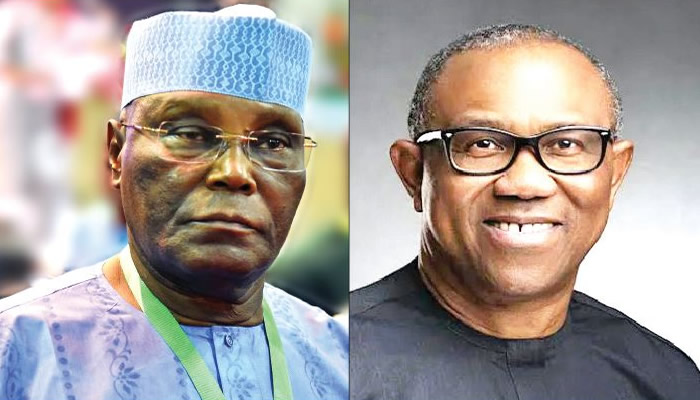
In the lead-up to the 2027 Nigerian presidential election, a significant political gathering took place in Abuja, bringing together influential figures from various political backgrounds. Former Vice President Atiku Abubakar, 2023 Labour Party presidential candidate Peter Obi, former Rivers State Governor Rotimi Amaechi, and other prominent leaders convened under the umbrella of the National Political Consultative Group (North) to strategize and garner support from key northern leaders. The primary objective of this closed-door meeting was to consolidate opposition against the incumbent President Bola Tinubu and pave the way for a formidable challenge in the upcoming election. This assembly underscored the growing momentum of political realignment and the coalescing of opposition forces in anticipation of the 2027 electoral contest.
The Abuja meeting, held at the Continental Hotel, served as a platform for high-level discussions and strategic planning. Notable attendees included Babachir Lawal, former Secretary to the Government of the Federation; Adolphus Wabara, Chairman of the PDP Board of Trustees; Abubakar Malami, former Attorney General of the Federation and Minister of Justice; Peter Ahmeh, National Secretary of the Coalition for United Political Parties; Kashim Ibrahim-Imam; and Yusuf Datti Baba-Ahmed, the 2023 Labour Party Vice Presidential candidate. The diverse representation at the meeting reflected the broad-based nature of the emerging coalition and the shared concern among participants about the direction of the country under President Tinubu’s leadership. The meeting’s agenda centered on critical national issues, particularly the prevailing security challenges, the imperative for national unity, and the need for competent leadership to steer the nation towards stability and progress.
The meeting, though initially productive, experienced a moment of disruption when delegates from Jigawa State contested their representation. The disturbance arose when Babachir Lawal announced a delegate to speak for the state, prompting protests from other Jigawa delegates who felt their voices were being marginalized. The ensuing commotion required the intervention of security personnel to restore order and ensure the safety of prominent figures like Atiku and Amaechi. The situation was eventually resolved through mediation, allowing Mustapha Lamido, son of former Jigawa State Governor Sule Lamido, and another delegate to represent the state’s interests. This incident highlighted the underlying tensions and competing interests that often characterize political gatherings, especially in the context of coalition building.
Beyond the brief interruption, the meeting’s core focus remained on addressing pressing national concerns. According to inside sources, Peter Obi and Rotimi Amaechi voiced their concerns about the worsening poverty and insecurity in the North, attributing these challenges to President Tinubu’s economic policies. They emphasized the need for northern leaders to unite and support an alternative government in 2027 to address the region’s specific needs. Atiku Abubakar and Abubakar Malami echoed these sentiments, holding the Tinubu administration accountable for the multifaceted challenges facing the North. Their collective call for northern unity signaled a strategic effort to consolidate support from this crucial region in their bid to unseat the incumbent president.
The meeting’s deliberations also extended to the formation of committees tasked with developing strategies and action plans to address the identified challenges. Participants agreed on the establishment of four committees to delve deeper into the issues of security, national unity, economic revitalization, and political strategy. These committees were entrusted with formulating concrete proposals to address these challenges and present their findings in a subsequent communique. This structured approach underscored the coalition’s commitment to developing a comprehensive agenda for governance and offering viable solutions to the nation’s problems.
Peter Ahmeh, the National Secretary of the CUPP, confirmed that the meeting’s primary objective was to review the current situation in the North and address the economic, security, and other pressing challenges under the Tinubu administration. His statement reinforced the coalition’s narrative of seeking to provide alternative leadership and a more effective approach to governance. The meeting served as a crucial step towards building a united front against the incumbent president and presenting a viable alternative for the 2027 election. The coming days, with the release of the committees’ communique, are expected to shed further light on the coalition’s specific proposals and action plans. This gathering signals the intensification of political activity and the beginning of a complex and dynamic campaign leading up to the 2027 presidential election.









