





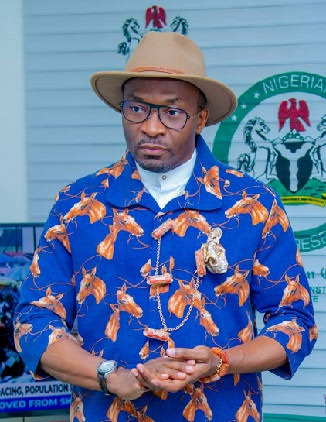
On Monday, during a roundtable discussion in Abuja titled “Through their eyes: A call to action, addressing humanitarian challenges in the South-East,” Deputy Speaker of the House of Representatives, Benjamin Kalu, revealed the alarming number of over 268,000 individuals who have been displaced due to natural disasters in the South-East of Nigeria. He highlighted that these internally displaced persons (IDPs) are currently living in 158 makeshift tents across the affected communities, which include the states of Enugu, Imo, Abia, Anambra, and Ebonyi. The situation remains dire as many displaced residents are lacking basic necessities such as clean water, proper shelter, healthcare, and educational opportunities.
Kalu emphasized that the humanitarian crisis in the South-East is multi-faceted, affecting the livelihoods and well-being of countless families. The ongoing challenges include not only displacement due to natural disasters like gully erosion but also violence and ecological degradation. These problems have resulted in precarious living conditions for many, where access to fundamental resources remains severely limited. In his statements, Kalu expressed concern about the urgent need for sustainable solutions that address both immediate needs and longer-term resilience within the communities.
The roundtable event was organized by the Office of the Deputy Speaker in collaboration with the Peace In South East Project and served as a platform for fostering partnerships aimed at tackling ecological challenges. Kalu, representing Bende Federal Constituency of Abia State, recognized the critical role played by international non-governmental organizations (NGOs) in alleviating the suffering of those affected by the crisis. He credited these organizations for driving initiatives ranging from food distribution to improving healthcare access, urging more systemic support and funding for local projects to address these crises effectively.
In his address, Kalu pinpointed several specific areas of urgent concern, such as education, healthcare, nutrition, mental health support, gender-based violence, and shelter. He framed the crisis as not only a regional issue but a national concern that requires collaborative efforts to forge an enabling environment for humanitarian work. His commitment to fostering reliable legislative and policy frameworks was a significant highlight, as he called for the removal of systemic barriers and an enhanced security environment in affected regions.
The discussions featured contributions from several notable figures, including Camilla Higgins, Head of International NGOs in Nigeria, and representatives from various national agencies. Their observations underscored the overwhelming scale of the ecological and humanitarian challenges faced in the South-East, particularly after viewing a documentary that illustrated the crisis. Pledging their collaborative assistance, these leaders expressed their commitment to working alongside the Deputy Speaker’s Office to address the urgent needs identified during the session.
Kalu concluded the discussion with a call for collective action, urging stakeholders to align resources, strategies, and resolve to build a Nigeria where every individual has the opportunity to prosper. He emphasized the importance of keeping the recommendations from the roundtable close to heart, using them to guide evidence-based interventions moving forward. The overarching message was one of solidarity and collaboration aimed at bridging the gap between immediate humanitarian relief and sustainable development to ensure no one is left behind.








