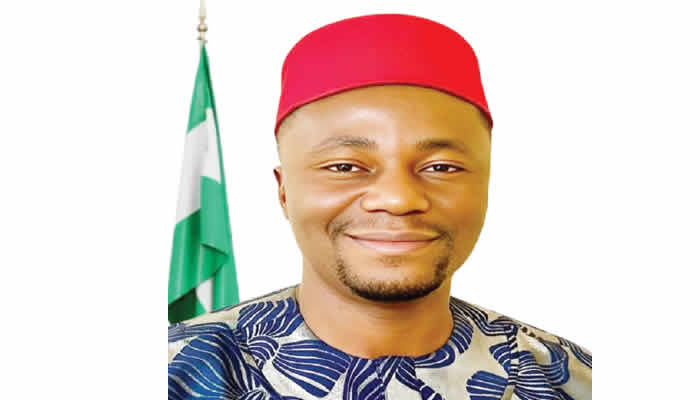
The recent arrest of Franklin Nwadialo, the Chairman of Ogbaru Local Government Area in Anambra State, by the FBI on allegations of a $3.3 million romance scam, has created a political uproar in the region, particularly impacting the ruling party, the All Progressives Grand Alliance (APGA). Nwadialo was apprehended upon arriving in Texas and is accused of defrauding numerous victims online by posing as a military individual deployed overseas. His arrest has raised significant concerns about the integrity of the leadership under Governor Prof. Chukwuma Soludo, especially given that Nwadialo was elected less than a month before his arrest. The unexpected situation has led to widespread criticism of the state government for failing to address the scandal promptly, resulting in allegations that they are complicit or unwilling to confront the issue head-on.
The response from the state government has been notably muted, leading to accusations from opposition parties and civil society groups suggesting that the silence reflects poorly on Governor Soludo’s leadership. While state officials claim they are awaiting details from US authorities, opposition figures argue that Nwadialo’s election under the APGA ties him directly to the state government, regardless of his status as an elected official. Critics assert that the governance in Ogbaru has been compromised during Nwadialo’s absence, especially as residents are currently grappling with displacement due to floods, indicating a dire need for effective leadership during crises.
The political ramifications of Nwadialo’s arrest have ignited debates regarding the legitimacy and integrity of the recent local government elections, which were the first to be held in over a decade in the region. Opposition members assert that the arrest of an elected official just a month into his term raises serious questions about the electoral process and the candidates chosen by the APGA. They suggest that Nwadialo’s behavior does not represent the values that should come with the office and reflect poorly on the governance model put forth by Soludo’s administration, which claims to uphold transparency and integrity.
Amidst the dissenting voices, APGA’s leadership maintains that they are in the process of evaluating the situation. They emphasize that the local government chairmanship operates with some degree of autonomy, thereby distancing themselves from direct responsibility for Nwadialo’s actions. Party officials argue that mechanisms are in place to ensure governance continuity despite his absence, indicating that the deputy chair will assume leadership responsibilities in the interim. However, this explanation has not quelled concerns among civil society and opposition groups, who call for greater accountability and transparency in the local governance system.
Critics of the administration have not only questioned the integrity of the APGA but also the effectiveness of their candidate screening process during the elections. Observers have suggested that Nwadialo’s arrest could indicate broader issues within the party and the potential presence of similarly questionable individuals among the newly elected local government officials. This has fueled calls for comprehensive scrutiny of all elected officials in the state to ensure that they uphold the requisite standards of ethical conduct and service to the community.
As the local government faces a leadership vacuum due to Nwadialo’s legal troubles, the community of Ogbaru is left vulnerable and concerned about the future of governance in the region. The media representation has assured residents that legal structures are in place to ensure ongoing governance and that everything will be managed following the law. However, skepticism remains among the populace, reflecting a cry for responsible governance that prioritizes the well-being of the local communities and emphasizes moral standards. The situation underscores the urgent need for political leaders to demonstrate accountability and reliability, especially during crises when communities need strong, principled leadership the most.