





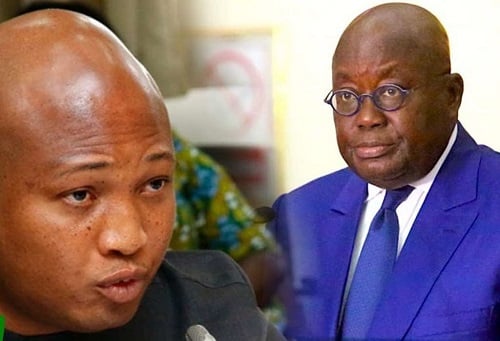
Samuel Okudzeto Ablakwa, a Member of Parliament and Chairman of the Operation Recover All Loot (ORAL) team, has raised serious concerns regarding a GHc60 million transfer to President Akufo-Addo’s office for “Special Operations” just days before the scheduled handover of power. This substantial sum, transferred on December 23, 2024, has prompted Ablakwa to publicly question the timing and purpose of such an allocation, particularly given the numerous outstanding financial obligations faced by various sectors of the government. He argues that prioritizing these “Special Operations” over critical arrears owed to institutions like the West African Examinations Council (WAEC), the Conference of Heads of Assisted Secondary Schools (CHASS), the Colleges of Education Teachers Association of Ghana (CETAG), the Free Senior High School Secretariat, Independent Power Producers (IPPs), and the Nation Builders Corps (NaBCo) is fiscally irresponsible and demonstrates a misplaced sense of priorities.
Ablakwa’s accusations extend beyond mere questioning of the transfer. He characterizes the Akufo-Addo/Bawumia administration as “tax-guzzling” and “profligate,” suggesting a pattern of excessive spending and a disregard for the financial well-being of the nation. He expresses deep concern that the outgoing government appears determined to deplete national reserves through questionable and wasteful expenditures before the incoming Mahama administration assumes control. This perceived urgency to allocate funds to “Special Operations” at the eleventh hour raises suspicions about the true nature and necessity of these operations.
The timing of the transfer is particularly problematic. With the impending change in administration, such a significant financial commitment to vaguely defined “Special Operations” appears suspect. It raises questions about whether these operations are genuinely in the national interest or serve another, perhaps less transparent, purpose. The lack of clarity surrounding these operations fuels speculation and underscores the need for greater transparency and accountability in government spending.
Ablakwa’s concerns highlight a broader issue of fiscal responsibility and transparency during transitions of power. He advocates for new legislation to regulate spending, contract awards, and recruitment during these periods to prevent potential abuses of power and ensure a smooth handover of government responsibilities. The current situation, he argues, demonstrates the vulnerability of public funds to last-minute maneuvers by outgoing administrations, potentially leaving the incoming government with depleted resources and a legacy of questionable financial decisions.
The implications of this GHc60 million transfer extend beyond the immediate financial impact. It raises questions about the integrity of the outgoing administration and its commitment to responsible governance. The lack of transparency surrounding the “Special Operations” erodes public trust and reinforces concerns about potential corruption or misallocation of funds. Furthermore, the prioritization of these operations over pressing needs in crucial sectors like education and energy further undermines public confidence in the government’s commitment to the well-being of its citizens.
Ablakwa’s call for legislative action reflects a growing need for stricter controls on government spending during transitions. Such legislation would serve as a safeguard against potential abuses of power and ensure greater accountability in the management of public funds. By establishing clear guidelines and oversight mechanisms, future transitions could be conducted with greater transparency and fiscal responsibility, preventing scenarios like the current controversy surrounding the GHc60 million transfer. This would not only protect public resources but also strengthen democratic processes by promoting greater accountability and trust in government.








