









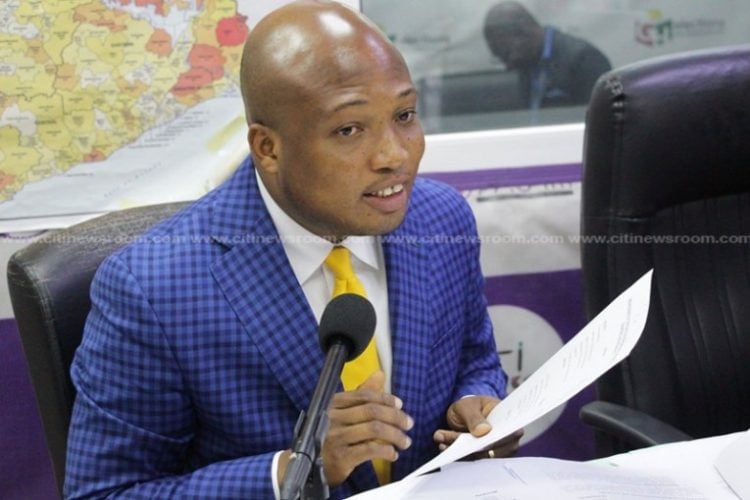
The Minority in Ghana’s Parliament, represented by Samuel Okudzeto Ablakwa, Member of Parliament for North Tongu, has voiced strong opposition to the government’s proposed tax waivers exceeding $300 million for companies participating in the One District, One Factory (1D1F) initiative. Ablakwa contends that these waivers pose a significant threat to Ghana’s already precarious fiscal situation, particularly as the incoming administration plans to abolish nuisance taxes to alleviate the financial burden on citizens. This creates a contradictory fiscal policy where the outgoing government burdens the incoming one with substantial revenue losses while simultaneously advocating for tax reductions. The Minority’s stance underscores a critical debate concerning fiscal responsibility, economic development priorities, and the transition of power between administrations.
The crux of Ablakwa’s argument centers on the potential for these tax waivers to cripple the incoming government’s financial capabilities. He questions the rationale behind saddling a new administration, especially one elected after a perceived rejection of the current government’s policies, with such significant revenue constraints. This raises questions about the timing and motivation behind these waivers, suggesting a potential disconnect between the outgoing government’s actions and the expressed will of the electorate. The Minority’s concerns highlight the broader issue of inter-governmental fiscal responsibility and the potential for outgoing administrations to create financial burdens for their successors. This raises critical questions about the need for clear guidelines and mechanisms to ensure a smooth and responsible transition of power, particularly regarding fiscal policies.
Moreover, the proposed tax waivers appear to contradict the government’s stated intention to reduce or eliminate nuisance taxes. Ablakwa points out the inconsistency of simultaneously advocating for tax cuts while implementing policies that will significantly reduce government revenue. This apparent contradiction underscores the potential for political maneuvering and raises concerns about the sincerity of the government’s commitment to easing the tax burden on citizens. The Minority’s opposition to the waivers highlights the need for a more coherent and transparent fiscal policy that aligns with the government’s stated objectives and addresses the long-term economic needs of the country.
The controversy surrounding these tax waivers also brings into focus the broader debate on the effectiveness and impact of the 1D1F initiative. While the program aims to stimulate industrial growth and create jobs at the district level, questions remain about its overall success and the long-term sustainability of the businesses it supports. The proposed tax waivers raise concerns about the financial viability of these businesses without government support and the potential for creating a dependency on tax breaks. This necessitates a thorough evaluation of the 1D1F program to assess its true impact on economic development and determine whether tax waivers are the most effective means of supporting its objectives.
The Minority’s opposition to the tax waivers further emphasizes the importance of parliamentary oversight and scrutiny of government spending. By challenging these proposals, the Minority fulfills its role in holding the government accountable and ensuring that public funds are utilized responsibly. This highlights the crucial role of a robust and independent legislature in safeguarding public finances and promoting transparency in government operations. The debate surrounding the tax waivers underscores the need for open dialogue and rigorous debate on fiscal policies to ensure that they serve the best interests of the nation.
In conclusion, the debate over the proposed tax waivers for the 1D1F initiative represents a significant point of contention between the government and the Minority in Parliament. The Minority’s opposition, articulated by Samuel Okudzeto Ablakwa, centers on the potential for these waivers to exacerbate Ghana’s fiscal challenges, contradict the government’s stated intention to reduce nuisance taxes, and burden the incoming administration with significant revenue losses. This controversy highlights broader issues of fiscal responsibility, inter-governmental transitions, and the need for transparent and accountable governance. The debate also raises important questions about the effectiveness and sustainability of the 1D1F initiative and the role of tax waivers in promoting economic development. Ultimately, the outcome of this debate will have significant implications for Ghana’s fiscal health and the incoming government’s ability to implement its economic agenda.









