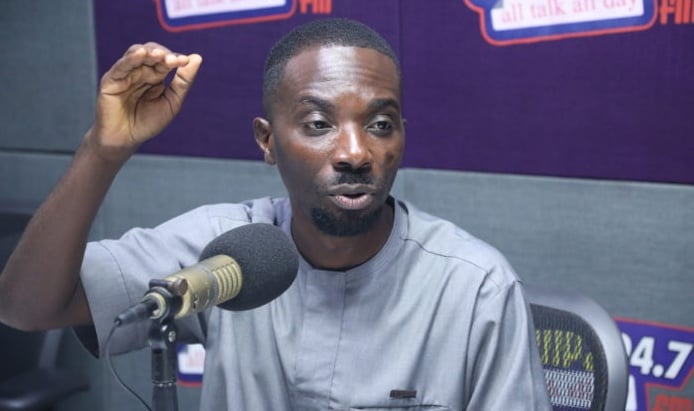
The New Patriotic Party (NPP) in Ghana experienced a significant and unexpected defeat in the 2024 general elections, a result that has prompted introspection and concern within the party’s ranks. Dennis Miracles Aboagye, Director of Communications for the Bawumia Campaign Team, expressed the shock and devastation felt by the party, emphasizing the unforeseen nature and substantial margin of the loss. This defeat stands in stark contrast to the NPP’s victory in 2016, where then-candidate Nana Addo Danquah Akufo-Addo secured a historic win against incumbent John Dramani Mahama by a margin of one million votes. The 2024 outcome, however, not only reversed this victory but nearly doubled the margin of defeat, a development that has left the NPP grappling with the implications for its future.
The magnitude of the loss has triggered a period of reflection within the NPP, as members seek to understand the factors that contributed to this outcome. Aboagye’s comments indicate a recognition within the party that a thorough examination of their strategies, messaging, and overall performance is necessary to chart a path forward. The unexpectedness of the defeat suggests a possible miscalculation in assessing the political landscape and the public mood leading up to the election. The party will likely scrutinize its campaign strategies, including candidate selection, policy platforms, and voter engagement efforts, to identify areas where improvements can be made.
The 2016 victory had been a watershed moment for the NPP, a significant political achievement that solidified its position as a dominant force in Ghanaian politics. The one-million-vote margin was considered a remarkable feat, a testament to the party’s effective campaigning and the resonance of its message with the electorate. This victory, however, set a high bar for future elections, creating an expectation of continued success that the 2024 outcome dramatically subverted. The reversal of fortune underscores the dynamic nature of electoral politics and the importance of adaptability and responsiveness to evolving voter sentiments.
The scale of the 2024 defeat, nearly double the margin of the 2016 victory, amplifies the shock and concern within the NPP. This significant shift in voter preference suggests a potential fundamental change in the political landscape, possibly driven by factors such as economic performance, social issues, or perceptions of government effectiveness. The NPP now faces the challenge of not only understanding the specific reasons for this substantial swing in voter support but also adapting its strategies to regain lost ground and rebuild its base. The party will need to engage in a comprehensive analysis of the electorate, identifying shifting demographics, emerging concerns, and evolving political priorities.
The post-election period will likely be a time of intense internal debate and strategic planning within the NPP. The party will need to address internal divisions, reassess its core values and messaging, and develop new approaches to connect with voters. The leadership will play a crucial role in navigating this challenging period, fostering unity, and guiding the party towards a path of renewal. The focus will likely be on understanding the reasons for the defeat, learning from the mistakes made, and developing a revised strategy for future elections. This process will involve engaging with party members at all levels, conducting internal reviews, and potentially restructuring the party’s organization and leadership.
The 2024 election results represent a significant setback for the NPP, but also an opportunity for growth and renewal. The party’s response to this defeat will be crucial in determining its future trajectory. The ability to honestly assess its shortcomings, adapt to the changing political landscape, and reconnect with the electorate will be critical for the NPP to regain its footing and remain a competitive force in Ghanaian politics. The road to recovery will undoubtedly be challenging, requiring introspection, strategic adjustments, and a renewed commitment to the needs and aspirations of the Ghanaian people.