









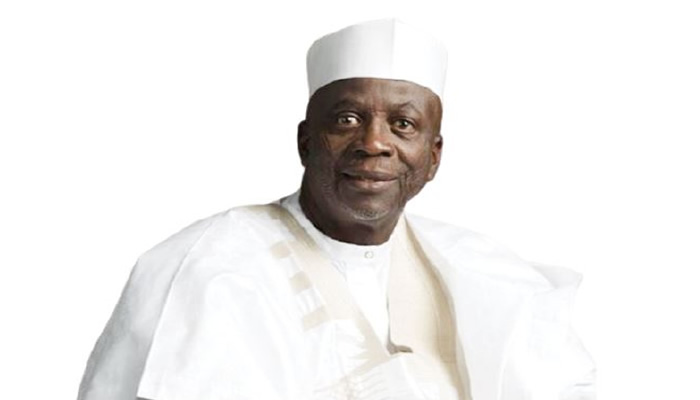
Alhaji Attahiru Dalhatu Bafarawa, former governor of Sokoto State and presidential candidate, has issued a clarion call for Nigerian leaders, particularly the federal government, to prioritize addressing the pervasive insecurity plaguing the nation. Bafarawa contends that insecurity is the root cause of the current economic hardship and widespread hunger, and its resolution is paramount to improving the standard of living for all Nigerians. He emphasized the interconnectedness of security and economic prosperity, arguing that a secure environment is a prerequisite for a thriving economy. His appeal transcends political divides, urging all citizens, regardless of party affiliation, religion, or ethnicity, to unite in prayer for the success of the nation’s leaders and the country as a whole.
Bafarawa’s argument centers on the debilitating impact of insecurity on various sectors of the Nigerian economy. Insecurity disrupts agricultural activities, hindering food production and contributing to food shortages and escalating prices. Farmers are often forced to abandon their fields due to fear of attacks, leading to decreased agricultural output and exacerbating food insecurity. Furthermore, insecurity disrupts trade and commerce, as businesses are reluctant to invest or operate in volatile regions. This leads to job losses, decreased economic activity, and a decline in overall economic growth. The resulting economic hardship fuels social unrest and further contributes to instability.
The former governor’s call for unity and prayer underscores the collective responsibility in tackling the nation’s challenges. He believes that a united front, transcending political, religious, and ethnic differences, is crucial for overcoming the security crisis and fostering national development. Prayer, in his view, is not merely a symbolic gesture but a powerful tool for seeking divine intervention and guidance in navigating the complex issues facing the nation. This call for unity echoes the sentiments of many Nigerians who yearn for a peaceful and prosperous nation where everyone can thrive, irrespective of their background.
Beyond the immediate concern of insecurity, Bafarawa also expressed his disappointment with the political landscape, particularly the reluctance of some long-standing leaders to relinquish power and create space for younger generations. He implied that this clinging to power hinders the injection of fresh perspectives and innovative ideas into governance. This stagnation, he argues, prevents the nation from fully realizing its potential and adapting to the evolving needs of its citizens. The call for generational shift in leadership reflects a growing sentiment among a segment of the population who believe that younger leaders are better equipped to address the challenges of the 21st century.
Bafarawa’s pronouncements touch upon the core issues that are central to Nigeria’s development trajectory. Security, economic prosperity, and political leadership are intertwined factors that determine the nation’s progress. His emphasis on the link between insecurity and economic hardship underscores the urgency of addressing the root causes of violence and instability. His call for unity and prayer reflects the desire for collective action and divine intervention in overcoming national challenges. Furthermore, his critique of the political landscape and the reluctance of some leaders to embrace generational change highlights the need for a more dynamic and responsive political system.
In essence, Bafarawa’s message is a call for comprehensive action on multiple fronts. It’s a call for the government to prioritize security and create an enabling environment for economic growth. It’s a call for unity among citizens, transcending all divisive lines, to work together for the common good. It’s a call for a political system that embraces fresh perspectives and allows for the emergence of new leadership. His words resonate with the aspirations of many Nigerians who hope for a secure, prosperous, and united nation. His pronouncements serve as a reminder of the collective responsibility in shaping the destiny of the nation and building a better future for all.









