









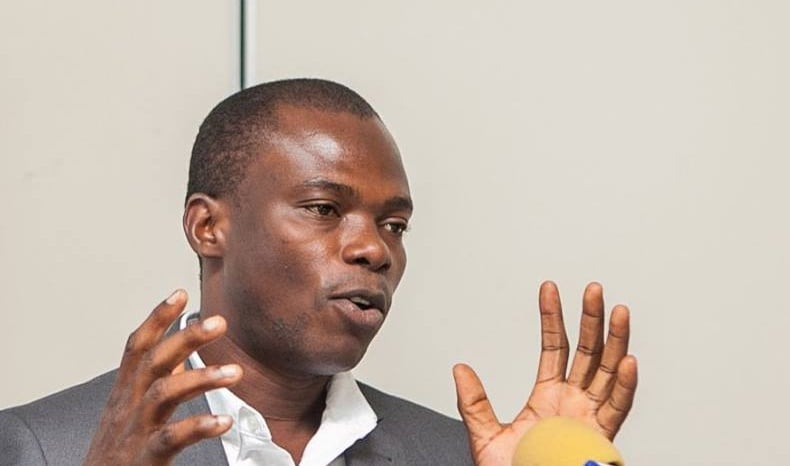
The Media Foundation for West Africa (MFWA), through its Executive Director, Sulemana Braimah, has issued a clarion call for open and frank discussions about the challenges confronting Ghana’s Free Senior High School (Free SHS) program. Braimah argues that a “culture of silence” surrounding the program’s difficulties has hampered efforts to address critical issues and improve its effectiveness. He stresses the urgent need for transparency and encourages educators, especially headmasters and teachers, to speak openly about the challenges they face on the ground. Braimah’s appeal underscores the importance of moving beyond the often-propagated narrative of unqualified success and confronting the realities of the program’s shortcomings, highlighting the potential consequences for the future of Ghanaian education. He contends that acknowledging these challenges is not a sign of failure but rather a necessary step towards constructive solutions and a more sustainable future for the program.
The Free SHS program, launched in 2017, was heralded as a transformative initiative aimed at democratizing secondary education by eliminating tuition fees and providing students with essential resources like textbooks, meals, and boarding facilities. While the policy undeniably resulted in a significant increase in enrollment, effectively expanding access to secondary education for a larger portion of the Ghanaian population, this surge has exposed underlying systemic weaknesses and created new challenges. The rapid influx of students has strained existing infrastructure and resources, leading to overcrowded classrooms and placing immense pressure on teachers. Many educators report feeling overwhelmed by the increased workload and the challenges posed by larger class sizes, while parents express concerns about the potential impact on the quality of education their children receive.
Braimah’s call for open dialogue seeks to address this disconnect between the celebrated achievements of the Free SHS program and the operational realities on the ground. He advocates for a shift away from a narrative that focuses solely on increased access and towards a more balanced assessment that acknowledges both the successes and the significant challenges that have emerged. By encouraging open communication and critical evaluation, Braimah aims to create a space for constructive dialogue that can lead to practical solutions and sustainable improvements within the program. He argues that suppressing concerns and maintaining a façade of flawless implementation only serves to exacerbate existing problems and ultimately jeopardizes the long-term success of the initiative.
The core of Braimah’s argument lies in the belief that honest and transparent dialogue is essential for addressing the systemic issues plaguing the Free SHS program. He criticizes the “grand government deception and repression,” suggesting that the authorities have actively discouraged open discussion about the program’s challenges, potentially out of fear of undermining its perceived success. This perceived suppression of critical voices prevents stakeholders, particularly educators and parents, from contributing valuable insights and perspectives that could lead to meaningful improvements. By fostering an environment where these individuals can freely express their concerns without fear of reprisal, Braimah believes that a more accurate and nuanced understanding of the program’s challenges can be achieved, paving the way for more effective solutions.
The potential consequences of maintaining the status quo, according to Braimah, are dire. He warns that failing to address the fundamental issues within the Free SHS program could have far-reaching negative implications for the future of Ghanaian education. Overburdened teachers, overcrowded classrooms, and strained resources all contribute to a decline in the quality of education, ultimately compromising the very purpose of the program. By prioritizing increased access without adequately addressing the accompanying challenges, the program risks creating a system that, while inclusive, may not be effectively preparing students for further education or the workforce. This, in turn, could have long-term consequences for Ghana’s socioeconomic development.
Braimah’s plea for transparency and open dialogue represents a crucial call for action. He urges all stakeholders, including policymakers, educators, parents, and the public, to engage in a constructive and honest conversation about the challenges facing the Free SHS program. He envisions a future where the program’s successes are built upon a foundation of continuous improvement, informed by the experiences and insights of those directly involved in its implementation. By embracing open communication and acknowledging the need for ongoing refinement, Ghana can ensure that the Free SHS program fulfills its promise of providing quality secondary education for all, ultimately contributing to a brighter and more equitable future for the nation.









