





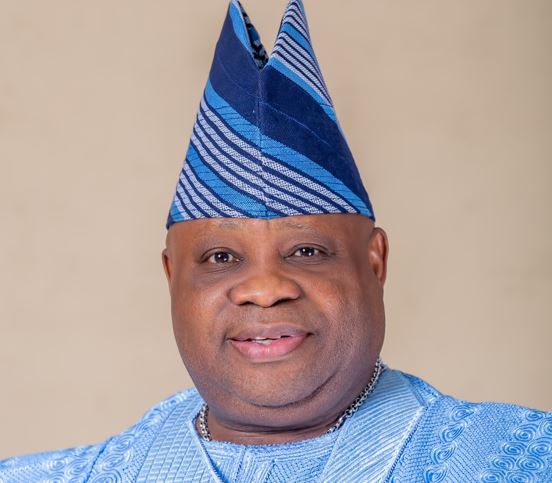
The inauguration of a 100-member panel by Osun State Governor Ademola Adeleke marks a significant step towards resolving the protracted communal clashes between the Ifon and Ilobu communities. These two communities, sharing a border within the state, have a long history of intermittent conflicts, often stemming from disputes over land ownership and boundary demarcations. The cyclical nature of these clashes has not only disrupted the peace and stability of the region but also hampered its socio-economic development. The establishment of this high-powered committee reflects the government’s commitment to finding a lasting solution to the recurring violence and fostering peaceful coexistence between the two communities. The panel’s size underscores the importance and complexity of the task ahead, requiring diverse expertise and representation to address the multi-faceted nature of the conflict.
The panel, co-chaired by two prominent figures, combines traditional authority and legal expertise to navigate the delicate issues at hand. The Ataoja of Osogbo, Oba Jimoh Oyetunji, brings the weight of traditional leadership and his deep understanding of the cultural nuances of the communities. His presence symbolizes the respect for traditional institutions and the role they play in conflict resolution. Complementing this traditional leadership is Justice Moshood Adeigbe (retd.), the Chairman of the State Boundary Commission, who brings his legal expertise and experience in boundary disputes to the table. This combination of traditional wisdom and legal acumen signifies a comprehensive approach to resolving the dispute, factoring in both historical context and legal frameworks. The joint leadership also ensures a balanced perspective, potentially bridging the gap between traditional customs and modern legal processes in finding a mutually acceptable solution.
The urgency of the situation is reflected in the two-week deadline given to the panel to submit its report. This tight timeframe emphasizes the government’s commitment to expeditious resolution and its determination to prevent further escalation of the conflict. The limited timeframe also necessitates a focused and efficient approach from the panel members, demanding rapid information gathering, analysis, and formulation of recommendations. It requires a coordinated effort to engage with both communities, understand their grievances, and gather evidence relevant to the dispute. The pressure of the deadline, however, underscores the governor’s serious intent to address the issue promptly and effectively restore lasting peace.
Deputy Governor Kola Adewusi, representing Governor Adeleke, emphasized the importance of the panel’s task and urged members to leverage their wealth of experience in arriving at a lasting solution. This underscores the high expectations placed on the committee and the significance of its recommendations in shaping the future relationship between Ifon and Ilobu. The deputy governor’s appeal to the panel’s collective experience highlights the need for a nuanced understanding of the historical context, socio-political dynamics, and underlying causes of the conflict. It calls for wisdom and discernment in sifting through complex issues and proposing solutions that address the root causes of the conflict, rather than merely treating the symptoms.
The panel’s composition, drawn from diverse backgrounds and areas of expertise, further strengthens its potential to deliver a comprehensive and sustainable resolution. This diversity allows for a broader range of perspectives to be considered, ensuring that the proposed solutions are inclusive and address the concerns of all stakeholders. The panel members are expected to come from various professional backgrounds, possibly including community leaders, religious figures, legal professionals, security personnel, historians, and representatives of both communities. This broad representation aims to achieve a balanced understanding of the dispute and ensure that all voices are heard, contributing to a solution that is not only legally sound but also culturally sensitive and accepted by the affected communities.
The Ifon and Ilobu communal clash represents a microcosm of the broader challenges related to land disputes and boundary conflicts prevalent in various parts of Nigeria. The success of this panel in achieving a lasting resolution could serve as a model for addressing similar conflicts in other regions. It holds the potential to establish a precedent for peaceful conflict resolution, promoting inter-communal harmony and sustainable development. The outcome of this process will be keenly observed, not only by the affected communities but also by other regions grappling with similar challenges. The panel’s recommendations could contribute significantly to developing more effective strategies for conflict resolution, promoting peaceful coexistence, and ensuring sustainable development across the nation.








