









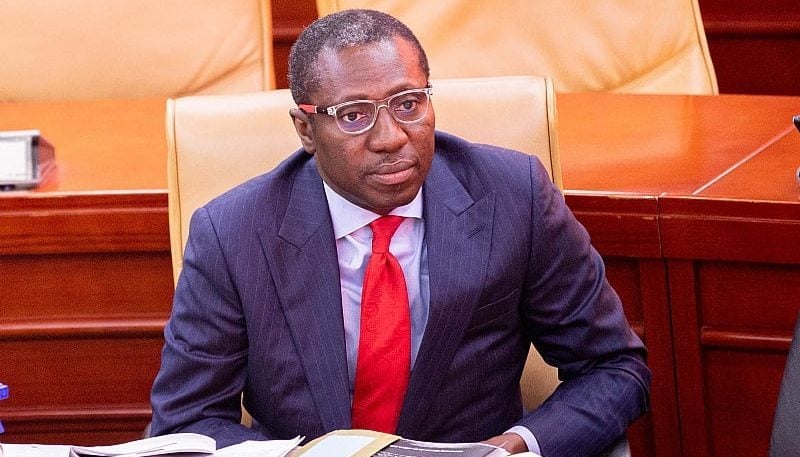
Alexander Kwamina Afenyo-Markin’s farewell address to Ghana’s Eighth Parliament marked the end of a unique and challenging period in the nation’s political history. Afenyo-Markin, who served as Majority Leader for the latter part of the parliament’s term, reflected on the unprecedented dynamics of the House, its accomplishments, and the lessons learned during a period marked by a near-perfect balance of power between the ruling and opposition parties. His speech highlighted the historical significance of the Eighth Parliament, the collaborative spirit that often prevailed despite partisan divisions, and the personal impact of his leadership journey.
The near-equal representation between the two major political parties created a unique dynamic in the Eighth Parliament. With 137 members on each side and one independent member, the balance of power was delicate and often led to intense debates and negotiations. This delicate balance also led to the election of a Speaker from the opposition party, a novel development in Ghana’s Fourth Republic, further emphasizing the exceptional nature of this particular parliament. Afenyo-Markin acknowledged this unique composition as a defining feature, highlighting how it pushed the boundaries of parliamentary democracy and tested the country’s commitment to its democratic principles. The evenly distributed power necessitated a higher degree of cooperation and consensus-building than previous parliaments.
Another notable aspect of the Eighth Parliament was its record-breaking female representation. With 20 female MPs from both the majority and minority sides, the House achieved a total of 40 women representatives, constituting 14.5% of the parliament. This marked the highest female representation ever recorded in Ghana’s Fourth Republic, representing a significant step toward greater inclusivity and gender balance in the nation’s political landscape. Afenyo-Markin highlighted this achievement as a positive development for the parliament and a sign of progress for Ghanaian democracy.
Afenyo-Markin also touched upon the leadership changes within both the majority and minority sides of the House, emphasizing that these transitions provided opportunities for a broader range of members to serve in leadership positions. This rotation of leadership roles, he argued, further contributed to the unique character of the Eighth Parliament and strengthened the experience and capacity of its members. Despite occasional turbulence and disagreements, he emphasized the collective efforts of the leadership to maintain a conducive working environment, fostering dialogue and compromise even amid partisan divides.
Reflecting on his personal journey from Deputy Majority Leader to Majority Leader, Afenyo-Markin expressed gratitude for the guidance and mentorship he received from senior colleagues on both sides of the political divide. He specifically acknowledged the support of his predecessor, Osei Kye-Mensah-Bonsu, and other influential figures such as former Minority Leader Haruna Iddrisu, seasoned parliamentarian Cletus A. Avoka, Deputy Majority Leader Patricia Appiagyei, and Joseph Osei-Owusu. He commended Appiagyei for her maternal support and invaluable counsel, which he credited with enabling him to navigate the complexities of leading the House. These acknowledgements underscored the importance of mentorship and collaboration across party lines in the effective functioning of parliament.
Afenyo-Markin also addressed some of the challenges and somber moments that marked the Eighth Parliament’s term. He expressed regret over the House’s failure to approve two presidential nominees to the Supreme Court, highlighting this as an unfinished task. He also somberly acknowledged the passing of sitting MP Philip Atta Basoah and former MP John Ampontuah Kumah, along with 18 other former parliamentarians and former First Lady Theresa Kufuor. These losses served as poignant reminders of the human element of public service and the transient nature of life.
In concluding his farewell address, Afenyo-Markin emphasized the historic significance of the Eighth Parliament. He characterized it as a period of unprecedented challenges and opportunities, a testament to the resilience and adaptability of Ghana’s democratic institutions. The near-equal representation, the record number of female MPs, the changes in leadership, and the ability to navigate intense political debates while maintaining a functional working environment all contributed to a unique and transformative chapter in Ghana’s parliamentary history. Afenyo-Markin’s reflections encapsulated the spirit of the Eighth Parliament, a period marked by both challenges and accomplishments, setting the stage for the next chapter in Ghana’s democratic journey.









