









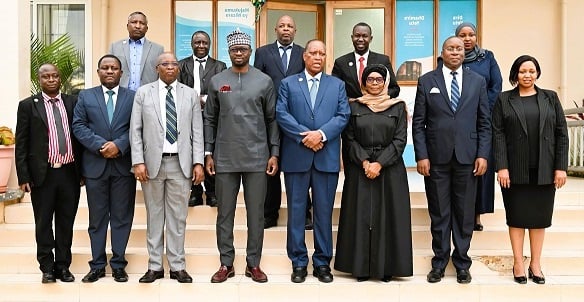
The African Court on Human and Peoples’ Rights is actively engaging Tanzania to reinstate its declaration allowing individuals and NGOs direct access to the Court. This declaration, made under Article 34(6) of the Protocol establishing the Court, was withdrawn by Tanzania in 2019, effectively limiting access to justice for Tanzanian citizens through this continental mechanism. The Court’s President, Lady Justice Imani Daud Aboud, recently led a delegation to Tanzania for high-level discussions with government officials, emphasizing the importance of this declaration for ensuring access to justice and strengthening the Court’s legitimacy. Tanzania’s withdrawal presents a significant setback for the Court’s effectiveness in upholding human rights across Africa.
The withdrawal of the Article 34(6) declaration by Tanzania became effective in 2020, a year after its initial announcement. This move sparked concern among human rights advocates and within the African Court, prompting the recent diplomatic efforts. The delegation’s visit aimed to re-establish dialogue with Tanzania and encourage the government to reconsider its position. The African Court argues that universal ratification of the Protocol and acceptance of the Court’s competence through the Article 34(6) declaration are essential for the Court to effectively fulfill its mandate. The delegation’s visit underscores the Court’s commitment to robust engagement with member states to promote and protect human rights.
Tanzanian government officials, while acknowledging the concerns raised by the African Court, indicated that the issue of redepositing the declaration is under review. They affirmed Tanzania’s commitment to the African Court as its host nation and pledged to advise President Samia Suluhu Hassani on the matter. The government also highlighted its ongoing efforts to implement some of the Court’s decisions, particularly within the context of criminal justice reform. This suggests a degree of cooperation and a willingness to engage with the Court’s pronouncements, even in the absence of the Article 34(6) declaration.
The discussions between the African Court delegation and Tanzanian officials encompassed a broader range of topics, including the implementation of the Host Agreement and challenges related to enforcing the Court’s decisions. The engagement with various stakeholders, including the Attorney General, Minister of Justice, Speaker of the National Assembly, and members of the legal community, reflects a multi-faceted approach to addressing the concerns surrounding Tanzania’s withdrawal. The delegation also emphasized the importance of dialogue and consultation in resolving any disagreements and fostering a stronger collaborative relationship between Tanzania and the African Court.
The African Court, established to complement the work of the African Commission on Human and Peoples’ Rights, plays a vital role in safeguarding human rights across the continent. Its establishment marked a significant step towards strengthening the human rights protection framework within the African Union. However, the Court faces challenges in achieving its full potential due to limited ratification of the Protocol and the reluctance of some member states, including Tanzania, to accept the Court’s jurisdiction over individual and NGO complaints. Currently, only eight out of the 34 states that have ratified the Protocol have also made the Article 34(6) declaration.
The African Court’s ongoing efforts to engage Tanzania demonstrate its commitment to expanding its reach and impact. The redeposit of the Article 34(6) declaration by Tanzania would not only restore access to justice for Tanzanians but also send a strong signal to other African states about the importance of embracing the Court’s jurisdiction. The Court’s effectiveness hinges on the cooperation of member states, and the Tanzanian case highlights the ongoing challenges in achieving universal acceptance of the Court’s mandate. The outcome of these engagements will be crucial for the future of human rights protection in Africa.









