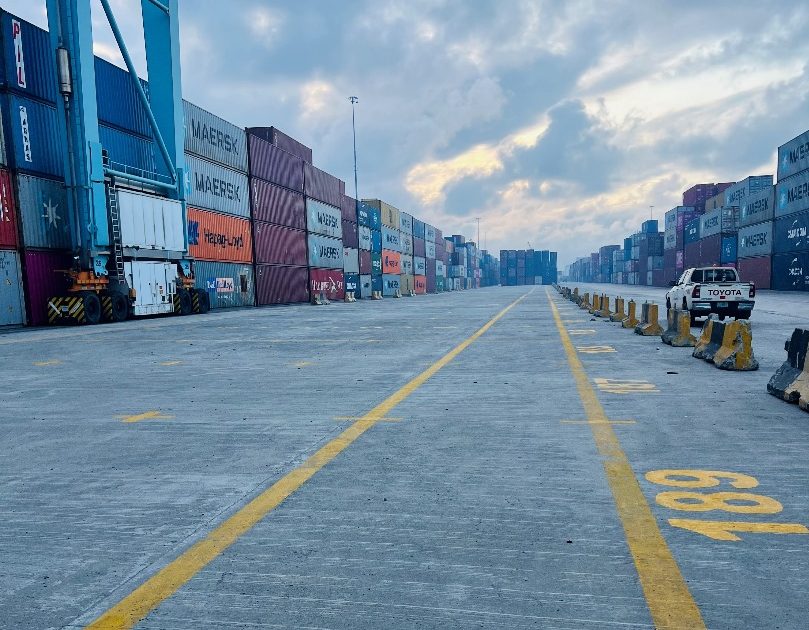
The African Continental Free Trade Area (AfCFTA) aims to boost intra-African trade, but Nigerian exporters face significant hurdles, making trade with other continents easier despite geographical proximity. This disparity is evident in Nigeria’s Q3 2024 foreign trade figures, where exports to Africa represented only 12.13% of the total, significantly less than exports to Europe (45.07%) and Asia (25.31%). Even within the Economic Community of West African States (ECOWAS), exports trailed behind those to individual European countries like Spain. This highlights the persistent challenges that hinder intra-African trade growth despite the existence of a free trade agreement designed to promote it.
Logistical bottlenecks and policy barriers emerge as the primary obstacles. Exporters report that shipping goods to Europe or the US is often faster and cheaper than sending them to neighboring African countries. Bosun Solarin, CEO of Dasun Integrated Farms Limited, recounted the arduous journey of transporting goods by road within Africa, citing poor infrastructure and lengthy border delays as major deterrents. Similarly, Olaronke Olajide, Creative Director of JeriHouse of Design, described her unsuccessful attempt to export to Mozambique, emphasizing the ease of exporting to Western countries compared to the complexities of intra-African trade. These anecdotal accounts underscore the practical difficulties businesses encounter when attempting to trade within the continent, making it less attractive than dealing with more established, albeit distant, markets.
A key factor contributing to the low volume of intra-African trade, particularly for small and medium-sized enterprises (SMEs), is the mismatch between the goods they produce and the dominant commodities in official trade statistics. While SMEs primarily deal in products like clothing, shea butter, spices, and palm oil, Nigeria’s primary exports to Africa are petroleum oils and natural gas. This disconnect underscores a critical flaw in the current trade framework: it fails to adequately support and incorporate the contributions of smaller businesses, which constitute a significant portion of the economy. As Olajide pointed out, SMEs, the backbone of local production, feel excluded from mainstream trade discussions and agreements, further marginalizing their potential contribution to intra-African trade.
Non-tariff barriers and currency discrepancies exacerbate the difficulties. Peter Njoku, Deputy Director of Market Access at the Nigerian Export Promotion Council (NEPC), highlighted the complexities of navigating varying regulations and the absence of a common currency within Africa, unlike the euro or dollar in other regions. This lack of standardization and transparency creates uncertainty for traders, increasing the risk and cost of doing business within the continent. While trading with countries outside Africa often involves clear, established rules and procedures, intra-African trade is characterized by unpredictable regulations, making it difficult for businesses to comply and plan effectively.
The slow implementation of the AfCFTA further complicates matters. While the agreement promises to reduce trade barriers and boost intra-African commerce, its practical impact remains limited. Experts and exporters agree that more needs to be done to translate the agreement’s principles into tangible improvements on the ground. The call for a common currency echoes this sentiment, highlighting the need for practical solutions to facilitate seamless trade within the continent. The continued reliance on multiple currencies adds layers of complexity to transactions, increasing costs and creating further disincentives for businesses seeking to engage in intra-African trade.
Addressing these challenges requires a multifaceted approach. Exporters, including SMEs, advocate for improved trade policies, streamlined logistics, and greater support for smaller businesses within the AfCFTA framework. Creating a more conducive environment for SMEs to participate in intra-African trade is crucial, given their significant contribution to local economies. Priority should be given to simplifying cross-border regulations, reducing transportation costs, and establishing clear, consistent trade rules across the continent. Furthermore, a stronger focus on promoting the products typically traded by SMEs is essential to ensure that the benefits of the AfCFTA reach a wider range of businesses and contribute more effectively to broader economic development. By addressing these critical issues, Nigeria, and Africa as a whole, can unlock the full potential of intra-continental trade and foster greater economic integration and growth.