The establishment of a pan-African credit rating agency is gaining momentum, driven by concerns over perceived biases within the existing Western-dominated system. African leaders and financial experts argue that the current “big three” agencies – S&P Global Ratings, Fitch Ratings, and Moody’s – operate with incomplete information and ingrained prejudices against the continent, leading to unfairly low credit ratings. This negative perception impacts investor confidence, increases borrowing costs, and hinders economic growth across Africa. The proposed African agency aims to provide a counterbalance, offering an alternative perspective based on a more nuanced understanding of the continent’s economic realities.
The bias, as articulated by Professor Kevin Urama, Chief Economist at the African Development Bank, stems from information asymmetry. Western agencies often lack access to comprehensive and reliable data from African countries, relying instead on incomplete information and potentially biased perceptions. This reliance on limited data, coupled with historical narratives of political instability and economic challenges, often perpetuates negative stereotypes. This “path dependence” leads to a predisposition to view African nations with skepticism, even when current economic indicators suggest a more positive outlook. This reinforces a cycle of low ratings, hindering investment and perpetuating the very challenges these ratings purport to reflect.
The proposed African credit rating agency seeks to break this cycle by providing a more informed and balanced assessment of African economies. By utilizing data directly from African sources and incorporating a deeper understanding of local contexts, the agency aims to provide a more accurate reflection of creditworthiness. This, in turn, is expected to attract more investment, lower borrowing costs, and promote sustainable economic growth. Furthermore, the existence of an African rating agency will compel Western agencies to re-evaluate their methodologies and data sources, fostering greater transparency and accountability within the global credit rating system.
The call for an African credit rating agency isn’t merely a response to perceived unfairness; it’s a strategic move to reshape the global financial architecture. The current system, dominated by Western institutions, often overlooks the unique strengths and opportunities within African economies. By establishing its own rating agency, Africa can take control of its financial narrative, present a more accurate picture of its economic prospects, and attract investment based on merit rather than outdated stereotypes. This move represents a crucial step towards greater financial sovereignty and self-determination for the continent.
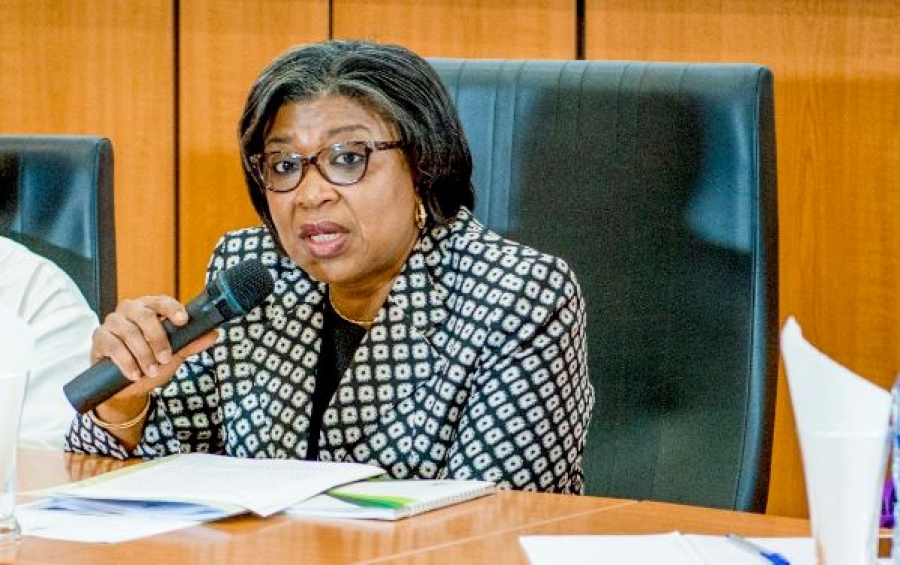
The frustration with existing rating agencies is not limited to perceived bias. Operational challenges, such as limited timeframes for responding to queries and a lack of flexibility in incorporating new information, further complicate the relationship between African nations and these agencies. As highlighted by Ms. Patience Oniha, Director-General of the Debt Management Office of Nigeria, the short response windows given to countries make it difficult to provide a comprehensive rebuttal to agency reports. This often leads to inaccuracies and perpetuates negative perceptions, further underscoring the need for a more inclusive and responsive system.
The proposed African credit rating agency is not simply about challenging the dominance of Western institutions; it’s about building a more equitable and representative global financial system. The current debt crisis affecting many developing countries highlights the urgent need for reform. By establishing its own agency, Africa can ensure that its voice is heard, its economic potential is accurately reflected, and its future is determined by its own strengths and aspirations, not by external biases or outdated perceptions. This initiative marks a significant stride towards greater financial independence and sustainable development for the continent.