









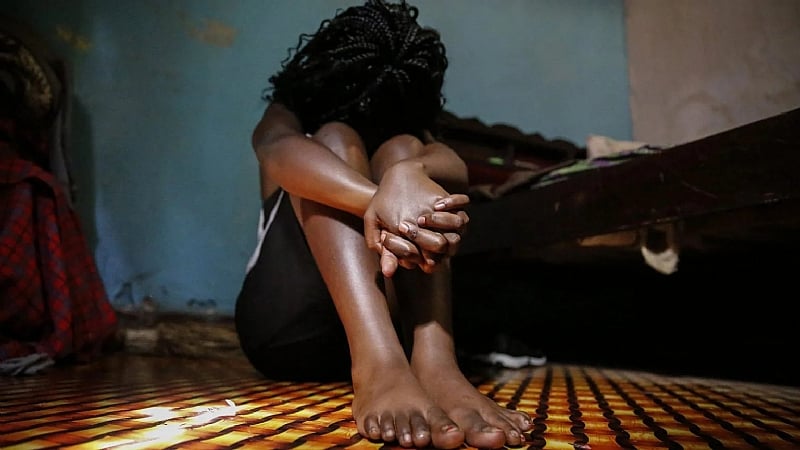
The latest Afrobarometer Round 10 survey sheds light on the significant challenges faced by women and girls in Ghana, revealing alarming levels of harassment and discrimination in numerous aspects of everyday life. The survey outlines that approximately one in five Ghanaians acknowledges that schoolgirls often experience harassment or inappropriate advances from educators. Moreover, one in six citizens recognizes that women frequently encounter harassment in public settings like markets, streets, and when using public transport. These findings paint a sobering picture of the societal environment for women and girls in Ghana, indicating that harassment is pervasive and largely accepted.
Public confidence in the effectiveness of current measures to combat these issues remains disconcertingly low. The survey indicates that only about one-quarter of Ghanaians believe that law enforcement agencies are adequately addressing these urgent matters. This skepticism reflects a broader societal frustration with the status quo and a call for more robust action. The survey results reveal that a substantial majority of respondents are advocating for the Ghana Police Service and the Judiciary to strengthen their efforts in protecting women and girls from harassment and ensuring justice for victims. The demand for institutional accountability highlights a growing collective consciousness regarding the need for more effective responses to gender-based violence.
In addition to harassment, the survey uncovers other societal challenges affecting women and girls, including familial restrictions on employment opportunities. Many women report being discouraged or outright prevented by family members or spouses from pursuing paid work. This economic barrier further perpetuates gender inequality and limits the autonomy of women. The survey also highlights educational disparities, indicating that some families continue to prioritize the education of sons over daughters. Such inequities hinder the overall progress toward gender parity and underscore the need for systemic changes in societal attitudes toward education and employment for women.
Despite the prevailing challenges, there are reasons for cautious optimism. A noteworthy portion of Ghanaians believes that women and girls who experience discrimination or harassment are likely to be taken seriously when they report such incidents. This shift in public perception signifies a growing recognition of the legitimacy of these issues and an increasing willingness to support victims. Additionally, many respondents commend the government’s initiatives aimed at protecting women’s rights, suggesting that efforts to address gender inequality are beginning to receive acknowledgment and support from the public.
As Ghana joins the global community in observing the 16 Days of Activism against Gender-Based Violence, the findings from this survey serve as a critical reminder of the ongoing struggle for gender equity. The shared insights call for a multi-faceted approach to combatting gender-based discrimination and violence. This involves not only strengthening institutional mechanisms but also fostering cultural shifts that challenge entrenched norms and advocate for the equal treatment of women and girls. Advocacy efforts must continue to be amplified to ensure that the voices of those affected by harassment and discrimination are heard and that actionable changes are implemented to protect their rights.
Ultimately, the findings from the Afrobarometer Round 10 survey encapsulate a pressing need for Ghana to address the systemic challenges faced by women and girls. These results highlight the collective call for stronger protective measures, increased institutional accountability, and a transformed cultural landscape that prioritizes gender equality. Achieving these goals will require ongoing dialogue, advocacy, and partnership between various stakeholders, including the government, civil society organizations, and the general public. By collectively striving to create a safer and more equitable society, Ghana can ensure that women and girls are empowered to reach their full potential without the fear of harassment or discrimination.









