









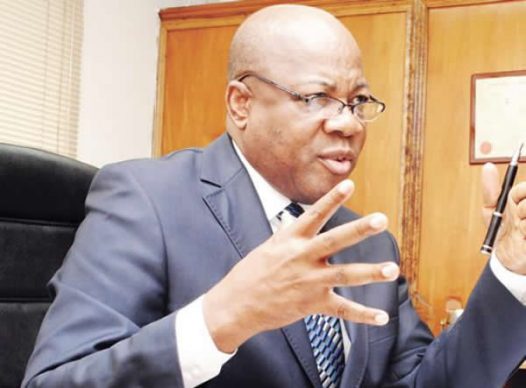
Dr. Olisa Agbakoba (SAN), a former President of the Nigerian Bar Association, has raised significant constitutional concerns regarding the law enforcement framework in Nigeria through two letters addressed to the National Assembly on October 14, 2024. His correspondence emphasized the need for urgent reform in law enforcement agencies, particularly focusing on the Economic and Financial Crimes Commission (EFCC), which he asserts is an unlawfully established organization. Agbakoba argues that the powers conferred upon the EFCC exceed the constitutional authority of the National Assembly, thereby rendering it unconstitutional. He believes that addressing these issues is critical to achieving Nigeria’s constitutional mandate of eliminating corruption, as defined in Section 13 of the Constitution.
In a climate of escalating discussions about the EFCC’s legitimacy, Agbakoba’s letters came at a pivotal moment. The Supreme Court is set to hear a suit from 16 states challenging the EFCC’s authority to monitor state government accounts. Agbakoba expressed optimism about these legal confrontations, stating that they present an opportunity to resolve long-standing questions regarding the EFCC’s constitutionality. He commended the states for taking initiative to contest the EFCC’s legitimacy, suggesting that such legal battles may clarify its role and functions within Nigeria’s broader law enforcement framework.
Addressing the Deputy Senate President Barau Jibrin and the Deputy Speaker of the House of Representatives Benjamin Kalu, Agbakoba encouraged a robust legislative examination of law enforcement agencies in Nigeria. His letter highlighted the lack of coherence among various law enforcement bodies, which he claims often act in opposition to one another, complicating the government’s anti-corruption efforts. Agbakoba’s references to judicial dissent over the EFCC’s actions indicated a pressing need for a comprehensive discussion among lawmakers, stakeholders, and the public to address legal discrepancies and the authority of law enforcement bodies.
Agbakoba’s correspondence also recognized the vital role of the Senate Constitution Review Committee in steering constitutional reforms in Nigeria. He expressed admiration for the committee’s efforts to enhance the legal foundations supporting national development and urged it to prioritize discussions around the constitutional validity of the EFCC and similar entities. His call for a public hearing aims to foster a participatory dialogue, gathering insights from relevant stakeholders to formulate a reformed legal framework that better aligns with Nigeria’s governance and anti-corruption objectives.
In invoking the principles enshrined in the Constitution, Agbakoba framed the issue of the EFCC not just as a legal technicality, but as a crucial aspect of Nigeria’s governance and rule of law. His appeal underscores the critical nature of constitutional reforms, urging the National Assembly to reflect upon the implications of existing laws and institutions on the fight against corruption. Acknowledging the interconnectedness of law enforcement and anti-corruption measures, Agbakoba’s push for reform aims to ensure that Nigeria’s efforts to combat corruption are legally sound and institutionally effective.
In conclusion, Agbakoba’s proactive stance on these constitutional issues compels an urgent reevaluation of law enforcement agencies in Nigeria, particularly the EFCC. As he anticipates the Supreme Court’s decision on the constitutionality of the EFCC, his proposals advocate for a collaborative approach to constitutional reform, engaging lawmakers, legal experts, and the public. By addressing these fundamental issues, Agbakoba hopes to pave the way towards a more coherent and effective legal framework that fulfills Nigeria’s constitutional mandate to eliminate corruption, ultimately strengthening the nation’s institutional integrity and governance.









