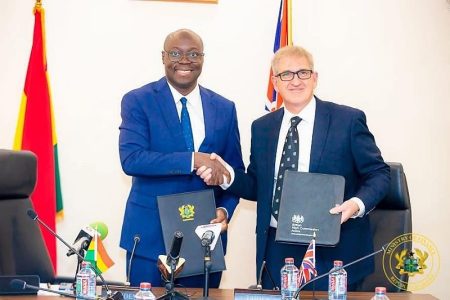
Kwabena Agyei Agyepong, former General Secretary of the New Patriotic Party (NPP), has presented a comprehensive reform package designed to bolster the party’s internal democratic processes. His proposals focus on three key areas: enhancing grassroots participation, streamlining the electoral calendar, and ensuring greater transparency in leadership selection. Agyepong argues that these changes are crucial for strengthening the party’s foundations and positioning it for future electoral success. He presented these proposals during the second quarter meeting of the NPP National Executive Committee (NEC) held at the Alisa Hotel in Accra, setting the stage for what is expected to be a period of robust internal debate.
Central to Agyepong’s reform agenda is the establishment of constituency caucuses across all 276 constituencies in Ghana. These caucuses would serve as inclusive platforms, bringing together a diverse range of party stakeholders. Membership would encompass current and former Members of Parliament, Municipal, Metropolitan, and District Chief Executives (MMDCEs), constituency executives, electoral area coordinators, polling station executives, patrons, and elders. This broadened representation, which Agyepong describes as a “limited enlargement of the electoral college,” is intended to deepen grassroots engagement in crucial decision-making processes. The aim is to ensure that the party’s direction remains firmly rooted in the collective wisdom and preferences of its members at the local level, fostering a stronger sense of ownership and shared purpose.
Agyepong’s second proposal addresses the party’s internal electoral calendar. He advocates for a restructuring of the primary schedule, prioritizing the presidential primaries before those for parliamentary candidates. This sequencing, he argues, aligns with Article 13(1) of the current NPP Constitution and offers several advantages. By determining the presidential candidate first, the party can avoid potential factionalism and internal conflicts that might arise during parliamentary primaries if the presidential race is still unresolved. This streamlined approach would promote greater coherence and unity within the party, allowing it to focus its resources and energies on a unified campaign strategy following the internal selection processes.
The third and perhaps most significant of Agyepong’s proposals calls for the complete removal of Article 13(9) from the NPP Constitution. This article mandates the creation of a special electoral college to shortlist presidential aspirants to a maximum of five candidates. Agyepong criticizes this provision as undemocratic and prone to manipulation. He points out that the current structure of this special electoral college, comprising fewer than 1,000 members, is not representative of the party’s broader base. This limited representation, he argues, disenfranchises a significant portion of the party membership and creates an uneven playing field for potential presidential aspirants. Agyepong advocates for a more inclusive system that provides all aspirants with a fair and equal opportunity to compete, thereby restoring confidence in the party’s democratic credentials.
Agyepong’s reform proposals represent a significant intervention in the NPP’s ongoing internal evolution. They address critical issues of inclusivity, transparency, and efficiency within the party’s electoral processes. By empowering the grassroots, streamlining the primary schedule, and promoting a more open and democratic presidential selection process, Agyepong aims to strengthen the party’s internal cohesion and enhance its ability to compete effectively in national elections.
The proposals are expected to spark significant discussion and debate within the party’s ranks. Many view them as a timely and necessary push for modernization and democratization. However, they are also likely to encounter resistance from some quarters, particularly those who benefit from the existing structures and processes. The coming weeks will be crucial in determining the level of support for these reforms and whether they will be adopted by the party. The outcome of these deliberations will undoubtedly have a significant impact on the NPP’s future trajectory and its ability to maintain its position as a leading force in Ghanaian politics.