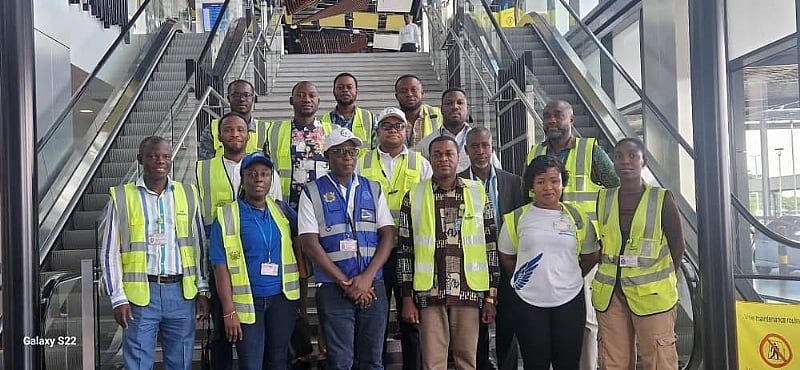
The Commissioner of Ghana’s Aircraft Accident and Incident Investigation and Prevention Bureau (AIB), John M.K. Wumborti, conducted a thorough inspection of the Prempeh I International Airport in Kumasi, underscoring the Bureau’s commitment to proactive safety measures and robust collaboration with aviation stakeholders. This visit forms part of AIB’s broader strategic agenda to bolster safety oversight across the nation’s airports, ensuring compliance with prescribed safety protocols and preventing accidents before they occur. Mr. Wumborti’s assessment focused on critical areas such as safety installations, operational zones, emergency response systems, and airside infrastructure, emphasizing the importance of not just establishing protocols, but also actively implementing and rigorously maintaining them.
The Commissioner’s tour reflects a paradigm shift in aviation safety management, moving from reactive investigation to proactive prevention. The traditional role of accident investigation bureaus has primarily focused on determining the causes of aviation accidents after they have occurred. However, the AIB’s proactive approach recognizes that preventing accidents is paramount, thus requiring a more engaged and collaborative relationship with airport authorities and other stakeholders. This proactive stance involves regular inspections, assessments, and collaborative engagements to ensure that potential safety hazards are identified and addressed promptly, fostering a safety culture that prioritizes prevention rather than reaction.
During his visit, Mr. Wumborti highlighted the crucial role of a proactive safety culture within Ghana’s aviation ecosystem. He emphasized that the AIB’s mandate extends beyond merely investigating accidents and incidents after the fact. Instead, it focuses on preventing these occurrences by ensuring that safety protocols are not just documented procedures but are integrated into daily operations. This emphasis on a proactive safety culture signifies a shift towards a more comprehensive approach to aviation safety, moving beyond regulatory compliance to a shared responsibility for safety among all stakeholders. This proactive approach, coupled with regular training and updates on global best practices, aims to create a robust safety net that minimizes risks and enhances the overall safety and security of Ghana’s aviation sector.
The Commissioner commended the Prempeh I International Airport authorities for their dedication to maintaining high safety standards. He acknowledged their efforts in implementing and upholding safety protocols, but also stressed the importance of continuous improvement and vigilance. Mr. Wumborti urged the airport authorities to remain proactive in their safety measures, emphasizing the need for continuous training to stay abreast of evolving global best practices in aviation safety. This continuous learning and adaptation are crucial for maintaining a high level of safety and preparedness in an industry characterized by constant technological advancements and evolving safety challenges.
Mr. Wumborti’s visit reinforces the AIB’s commitment to its core mission: ensuring a safe, secure, and efficient air transport system in Ghana. This commitment is manifested through proactive oversight, timely and thorough investigations of any incidents that may occur, and a proactive implementation of preventive measures. The AIB’s approach encompasses a multi-faceted strategy that involves collaboration with airport authorities, regular inspections and audits, consistent training programs, and a focus on continuous improvement based on global best practices. This comprehensive strategy aims to create a robust safety framework that proactively addresses potential hazards and strengthens the overall safety performance of Ghana’s aviation industry.
The Head of Regional Airport South, Mr. Maxwell Yeboah, welcomed the AIB Commissioner’s visit and expressed appreciation for the Bureau’s proactive engagement. He acknowledged the significance of such periodic engagements in strengthening collaboration and fostering a shared understanding of safety priorities between the AIB and airport authorities. This collaborative approach ensures that any safety concerns are addressed promptly and effectively, contributing to a more robust and resilient aviation safety environment. Mr. Yeboah’s remarks highlight the importance of ongoing communication and partnership between regulatory bodies and airport operators in maintaining the highest standards of aviation safety. This collaborative spirit reinforces the collective responsibility for safety and contributes to a safer and more secure aviation industry in Ghana.