





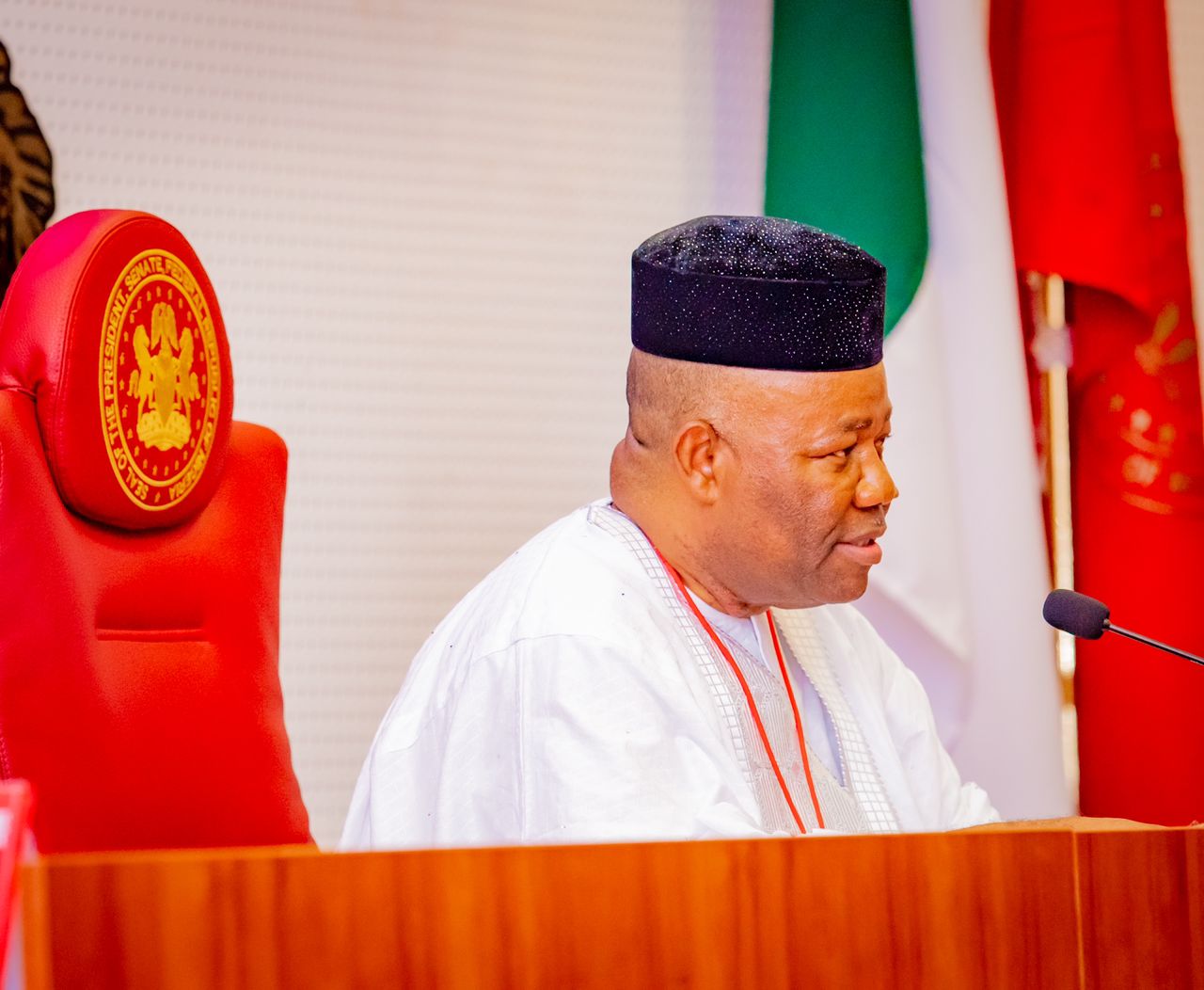
In a recent session, Senate President Godswill Akpabio issued a serious warning to committee chairmen whose performances have been subpar, indicating they could face replacement if they do not meet the Senate’s expectations. His remarks followed a notable complaint from Senator Abdul Ningi of Bauchi Central regarding the lack of oversight conducted by the Senate Committee on Finance over 92 revenue-generating agencies. This situation has raised concerns about accountability and the effectiveness of the Senate’s monitoring of governmental financial operations. Akpabio’s frustration hints at a broader issue of discipline within the ranks of Senators and their respective committees, emphasizing the vital role of these committees in maintaining the integrity and functionality of democratic governance.
Akpabio’s statement reinforced the Senate leadership’s commitment to reshuffling committees if necessary to ensure that qualified and capable individuals take on leadership roles. He made it clear that underperformance would not be tolerated, indicating that he values results and accountability in oversight functions. By suggesting a change in committee compositions, the Senate President aims to inject new energy and expertise into these areas, thereby ensuring that the Senate’s responsibilities towards oversight and accountability are efficiently fulfilled. This approach reflects a proactive strategy to address shortcomings and promote a more dynamic legislative body capable of tackling the challenges facing the nation.
The Senate President also mandated that all standing committee chairmen deliver reports on their oversight activities by January 31, 2025. This directive is intended to facilitate a comprehensive assessment of the committees’ performances, allowing for the identification of both progress made and challenges encountered. By setting a strict deadline, Akpabio is underscoring the urgency of effective oversight and the importance of accountability within the Senate. The reports will serve as a crucial tool for evaluating each committee’s effectiveness, potentially guiding future decisions about committee composition and functionality.
Moreover, Akpabio highlighted the constitutional authority of the Senate over Ministries, Departments, and Agencies (MDAs), emphasizing that these entities cannot refuse invitations from the National Assembly without facing consequences. He specifically pointed out that lawmakers possess the power to issue arrest warrants for those who defy such invitations. This assertion serves as a stern reminder of the Senate’s constitutional role and its authority to ensure compliance from the executive branch. Akpabio’s emphasis on this issue reflects a broader concern that allowing defiance to go unchecked could establish a dangerous norm within the framework of government accountability.
In discussing the role of oversight, Akpabio pointed out that the Senate comprises over 70 standing committees, each with specific responsibilities aligned with its Standing Orders. These committees are critical for ensuring that various government activities are monitored and that public funds are used efficiently and effectively. By advocating for stringent oversight measures and emphasizing the constitutional powers of the Senate, Akpabio illustrates his commitment to upholding the principles of transparency and accountability that are central to a functional democracy. He recognizes that the health of the democratic process relies heavily on the ability of the Senate to enforce its authority.
Overall, Akpabio’s statements reflect a serious approach to governance within the Senate, reiterating the importance of oversight and the responsibilities of committee chairmen. His warnings serve as a call to action for those in leadership positions to be vigilant and effective in their duties, ensuring that the government operates within the bounds of accountability and transparency. The visitations and reports mandated underscore a renewed focus on performance, with a clear signal that the Senate will take decisive steps to strengthen its operations and fulfill its constitutional mandates effectively. As the Senate ventures forward, it faces the challenge of not only maintaining its authority but also ensuring that it serves the Nigerian populace with integrity and diligence.








