









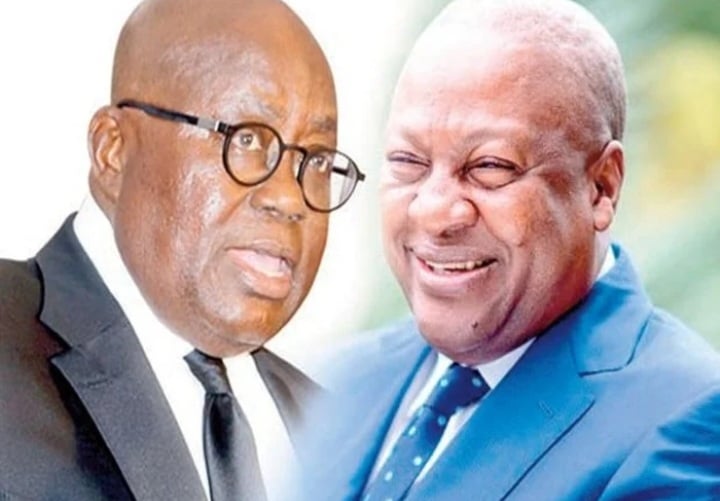
In a recent speech delivered to the chiefs and people of the North-East Region, President Nana Addo Dankwa Akufo-Addo voiced significant concerns regarding the leadership capabilities of John Dramani Mahama, the flagbearer of the opposition National Democratic Congress (NDC). President Akufo-Addo highlighted the potential adverse effects Mahama’s return to power could have on critical national policies, particularly emphasizing the Free Senior High School (SHS) program. This initiative has been instrumental in providing free secondary education to a considerable number of Ghanaian students, and the president expressed his fears that Mahama’s presidency could put the future of this program at risk if elected in the upcoming December 7 elections.
The president’s concerns were bolstered by Mahama’s recent comments, which he interpreted as ambiguous regarding the continuity of the Free SHS initiative. Akufo-Addo directly challenged Mahama to clarify his position on the policy that has garnered significant support among parents and students alike. By questioning Mahama’s commitment to the program, the president underscored the importance of a definitive stance for the electorate, stating, “Let’s ask him [Mahama], which is which?” He urged deliberation and unity among the Ghanaian people concerning Mahama’s uncertain position, as the implications of any potential alteration to the educational initiative could resonate widely throughout the nation, thus warranting a thorough and transparent discussion.
A focal point of President Akufo-Addo’s argument was Mahama’s perceived inconsistency regarding the future of the Free SHS policy. The president articulated his skepticism about Mahama’s reliability and trustworthiness as a presidential candidate, suggesting that the latter’s shifting statements create a palpable confusion among the electorate. By emphasizing the necessity for clarity on pivotal issues such as education, Akufo-Addo aimed to establish a contrast between his administration’s commitment to improving educational access and Mahama’s unclear and mutable declarations, thereby reinforcing his perception of Mahama as an unreliable choice for leadership.
Moreover, President Akufo-Addo’s remarks indicate a larger rhetoric strategy aimed at framing the December elections as a pivotal moment for Ghana’s educational landscape. His framing of the discourse suggests that Mahama’s policies could potentially dismantle achievements that have resulted from current governmental initiatives, which, in turn, could influence public perception and voter sentiment. This tactic seeks to solidify the current administration’s accomplishments, particularly in areas perceived as crucial to the long-term development of the country’s youth and economy.
The implications of the debate over the Free SHS initiative extend beyond the mere electoral contest; they also reflect a broader discussion about educational reform and national priorities in Ghana. The president’s comments signal a campaign strategy focused on securing the electorate’s trust through the establishment of educational policies as cornerstones of development. By positioning the opposition leader as inconsistent, the ruling government aims to galvanize support and prevent a loss of momentum regarding educational advancements, which have been a major selling point of the current administration.
Ultimately, President Akufo-Addo’s critique of Mahama not only highlights the immediate stakes of the upcoming election but also evokes a deeper conversation about governance, accountability, and policy consistency in Ghana. The significant emphasis on the Free SHS initiative reveals the weight that educational policies carry in shaping the prospects of political leadership, as well as the expectations of Ghanaians regarding their leaders’ commitments. As the election day approaches, the question of which candidate can be deemed trustworthy and consistent on key national programs like education will undoubtedly play a critical role in influencing voter decisions.









