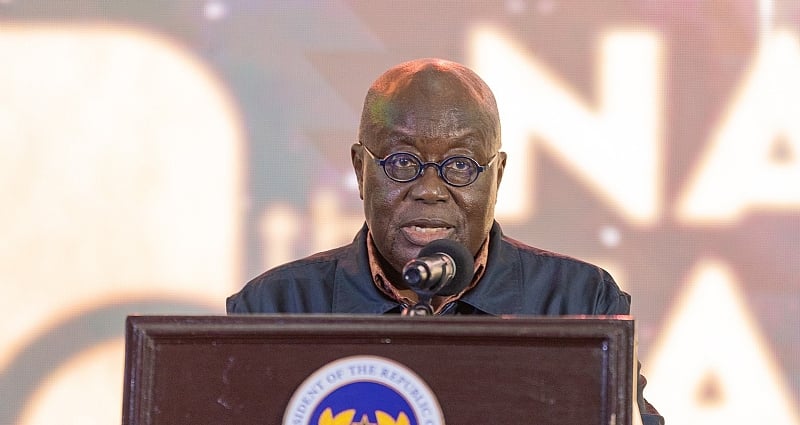
The 2024 Ghanaian general election is rapidly approaching, and the political landscape is buzzing with activity. Nana Akufo-Addo, the current president and flagbearer of the New Patriotic Party (NPP), has expressed satisfaction with the conduct of the election process thus far. His comments come amidst a backdrop of both anticipation and apprehension, as the nation gears up for a crucial vote that will shape its trajectory for the next four years. While Akufo-Addo acknowledges the peaceful nature of the campaign period so far, opposition parties and some civil society organizations have raised concerns about various issues, including the neutrality of the Electoral Commission, the accuracy of the voter register, and the potential for vote-buying and other electoral malpractices. These concerns highlight the critical importance of transparency and accountability in ensuring a free, fair, and credible election.
Akufo-Addo’s satisfaction with the electoral process likely stems from the relative calm and absence of widespread violence that has characterized previous elections. The pre-election period has seen political rallies, debates, and public engagements, with the various parties outlining their visions for the nation. The NPP, seeking a third consecutive term, is touting its achievements in areas such as infrastructure development, education, and economic growth. However, the opposition National Democratic Congress (NDC) and other parties are challenging the government’s record, pointing to persistent economic challenges, unemployment, and corruption allegations. This contest of narratives underscores the high stakes involved in the election, as Ghanaians weigh the promises and performance of the competing parties.
The Electoral Commission (EC) plays a pivotal role in ensuring the integrity of the electoral process. While the EC has emphasized its commitment to conducting a free and fair election, concerns have been raised about its independence and impartiality. Opposition parties have questioned certain decisions made by the EC, including the compilation of a new voter register and the adoption of new electoral technologies. These concerns, if not adequately addressed, could undermine public trust in the electoral process and potentially lead to post-election disputes. Therefore, it is crucial for the EC to engage with all stakeholders transparently and address any legitimate concerns to foster confidence in its neutrality and competence.
Another key issue in the lead-up to the 2024 election is the state of the economy. Ghana’s economy has faced significant challenges in recent years, including rising inflation, a depreciating currency, and a growing public debt burden. These economic woes have become a central theme in the election campaign, with the opposition parties criticizing the government’s economic management and proposing alternative solutions. The NPP, on the other hand, argues that it has laid the foundation for sustainable economic growth and that its policies will eventually yield positive results. The electorate’s perception of the economy will undoubtedly play a significant role in determining the outcome of the election.
Beyond the major political parties, the role of civil society organizations and the media is also crucial in ensuring a credible election. Civil society groups are actively engaged in voter education, election monitoring, and advocacy for electoral reforms. They play a vital role in holding the government and the EC accountable and in promoting transparency and good governance. The media, both traditional and online, also plays a critical role in informing the public, disseminating information about the candidates and their platforms, and providing a platform for public debate. A free and independent media is essential for a healthy democracy and for ensuring that citizens have access to the information they need to make informed choices.
The 2024 Ghanaian election is a pivotal moment for the nation. It provides an opportunity for citizens to exercise their democratic right to choose their leaders and to shape the future direction of the country. The success of the election will depend on the commitment of all stakeholders – the political parties, the EC, civil society organizations, the media, and the electorate – to uphold the principles of democracy, transparency, and accountability. A peaceful, free, and fair election will not only strengthen Ghana’s democracy but also contribute to stability and development in the region. The international community also has a role to play in supporting Ghana’s electoral process and in encouraging all stakeholders to work together to ensure a credible and peaceful outcome. Ultimately, the success of the 2024 elections rests on the collective will of Ghanaians to uphold the values of democracy and to choose their leaders wisely.