





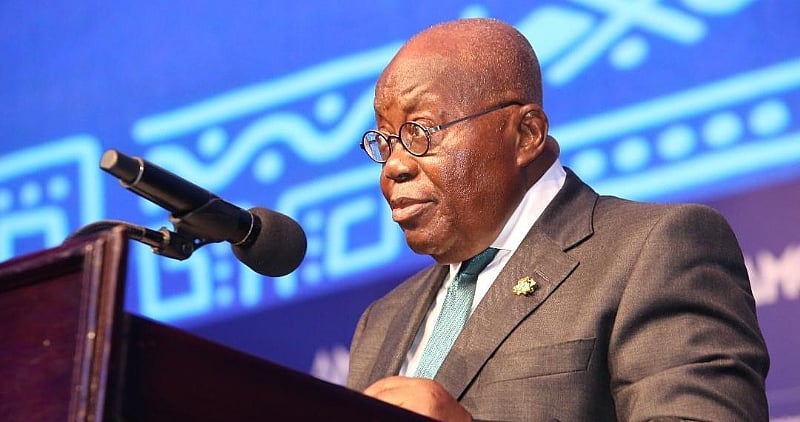
President Nana Addo Dankwa Akufo-Addo’s final address to the nation before the 2024 general elections served as a poignant reminder of Ghana’s democratic journey and a fervent call to action for its citizens. He emphasized the significance of safeguarding the nation’s hard-won reputation as a beacon of stability on the African continent. This reputation, built over decades of peaceful transitions of power and eight successful elections since 1992, has earned Ghana global recognition and placed it as a model for democratic governance in Africa. The President urged the populace to cherish and protect this legacy, recognizing that the “flame of freedom” requires constant vigilance and nurturing. He underscored the critical role of elections in upholding democratic values and solidifying Ghana’s position among mature democratic nations.
The impending 2024 elections hold immense importance for Ghana’s future. The President’s address served not only as a retrospective on past achievements but also as a prospective look at the challenges and responsibilities that lie ahead. He appealed for collective effort from all stakeholders – political parties, security agencies, and the citizenry – to ensure a peaceful and transparent electoral process. Maintaining Ghana’s democratic stability is not merely a national imperative, but a continental one, given the country’s influential role in promoting democratic ideals across Africa. The President’s message was a clear call for unity and a reminder of the shared responsibility to protect the gains made in consolidating democracy.
The 2024 elections see a diverse and engaged electorate preparing to cast their votes. Over 18.7 million registered voters, encompassing a significant youth demographic (55%) and a strong female representation (52%), are set to participate. This high level of voter registration, coupled with the growing trend of voter turnout in recent elections – 79% in 2020 compared to 69.6% in 2016 – signifies a vibrant and increasingly politically aware populace. The relatively low percentage of first-time voters (4%) may suggest a stable and consistent participation of the eligible population in the electoral process over the years. This consistent engagement reflects a deep-seated belief in the power of the ballot box to shape the nation’s destiny.
The electoral landscape is extensive, covering 276 constituencies and nearly 41,000 polling stations, including designated stations for early voting. This comprehensive network underscores the commitment to ensuring access to voting for all eligible citizens. The logistical undertaking of organizing such a large-scale election requires meticulous planning and coordination by the electoral commission and relevant authorities. The high voter turnout expectations further emphasize the need for efficient and transparent processes on election day to ensure a smooth and credible election.
The upcoming election features a competitive field of candidates, with thirteen individuals vying for the presidency. This includes representatives from nine political parties and four independent candidates. The frontrunners in this closely contested race are Dr. Mahamudu Bawumia of the ruling New Patriotic Party (NPP) and former President John Dramani Mahama of the opposition National Democratic Congress (NDC). The presence of multiple candidates offers voters a wide range of political perspectives and platforms to consider. This competitive environment underscores the vitality of Ghana’s multi-party democracy and the importance of robust political discourse leading up to the elections.
President Akufo-Addo’s address serves as a significant moment of reflection and anticipation in Ghana’s democratic journey. His call for vigilance and unity resonates deeply, emphasizing the shared responsibility to preserve and strengthen the nation’s democratic foundations. The upcoming election is not merely a procedural exercise but a pivotal moment that will shape Ghana’s future trajectory. The high voter registration numbers, the diverse field of candidates, and the historically strong voter turnout all point to a nation deeply invested in its democratic processes. As Ghanaians head to the polls, they carry with them not just the weight of choosing their next leaders, but also the responsibility of safeguarding the legacy of democratic stability that has become synonymous with their nation.








