









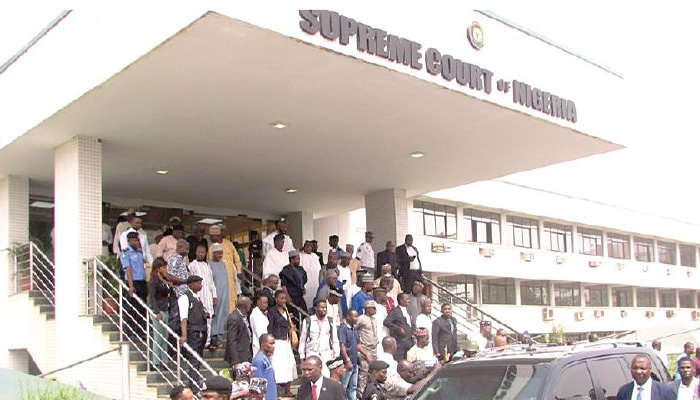
The disbursement of N2.08 trillion to Nigeria’s 774 Local Government Councils (LGCs) between July and December 2024 highlights a critical conflict between financial allocation and actual autonomy. Despite a landmark Supreme Court ruling in July 2024 mandating direct payment of funds to LGC accounts, the allocations continued to be routed through state government accounts, sparking discontent among local government officials and employee unions. This practice directly contradicts the Supreme Court’s directive, intended to empower local governments and ensure proper utilization of allocated funds. The Federal Government’s justification for non-compliance, citing “practical impediments,” and the establishment of a committee to assess the judgment’s feasibility, underscores the complex challenges in implementing financial autonomy for LGCs.
A detailed breakdown of the monthly disbursements from July to December 2024 reveals a fluctuating pattern in the total distributable revenue and the LGCs’ share. While the LGCs received N337.019 billion in July, this amount saw both increases and decreases in subsequent months, influenced by the overall revenue pool. August recorded a slight increase, while September experienced a significant drop. October and November saw steady growth, culminating in the highest allocation of N402.553 billion in December. The total allocation to LGCs over the six-month period represented approximately 24.9% of the total distributable revenue, marking a substantial 72.06% increase compared to the same period in 2023. This increase translates to an additional N869 billion, highlighting the significant financial resources at stake.
The persistent channeling of funds through state governments, despite the Supreme Court ruling, raises concerns about the genuine commitment to local government autonomy. The Federal Government’s hesitation to enforce the judgment directly undermines the judicial process and perpetuates the existing power dynamics between state and local governments. The establishment of a committee to evaluate the practicality of the judgment further delays implementation and allows for potential loopholes to maintain the status quo. While the Minister of Finance acknowledged the impediments, the lack of concrete action to rectify the situation fuels skepticism about the government’s intentions.
The Supreme Court’s July 2024 ruling aimed to address the long-standing issue of state governments controlling local government finances. The ruling declared it unconstitutional for governors to hold these funds and emphasized the need for democratically elected local governments to manage their resources. This judgment underscored the principle of separation of powers and the importance of empowering local governments to function effectively. The court’s condemnation of the practice of appointing caretaker committees, often loyal to state governors, highlighted the need for genuine democratic governance at the local level. The ruling explicitly stated that any deviation from direct payment to democratically elected local government councils would be considered gross misconduct, demonstrating the gravity of the situation.
The Attorney General of the Federation’s warning to state governors about potential contempt of court proceedings underscored the legal ramifications of disregarding the Supreme Court’s ruling. His caution against mismanaging funds by local government chairmen emphasized the importance of accountability and responsible governance. The AGF’s statements highlighted the dual nature of the challenge: ensuring local government autonomy while simultaneously promoting responsible financial management within these entities. This balanced approach seeks to empower local governments while also guarding against potential misuse of public funds.
Reactions from local government officials and employee unions reveal deep-seated frustration with the non-implementation of the Supreme Court’s decision. The Association of Local Governments of Nigeria (ALGON) and the National Union of Local Government Employees (NULGE) expressed concerns about the lack of progress and the continued control exercised by state governments. Their submissions advocating for the opening of designated LGC accounts and direct disbursement of funds went unheeded. State governors’ arguments about pre-existing financial commitments and the inadequacy of local government funds to cover essential services like healthcare and primary education were met with calls for immediate implementation of the ruling before addressing any perceived deficiencies. The delay in implementation, fueled by these disagreements, further exacerbates the tension between state and local governments. Local government officials’ accounts of being subjected to the authority of state-appointed commissioners illustrate the practical limitations of their supposed autonomy. This emphasizes the need for concrete action to enforce the Supreme Court ruling and empower local governments to function independently, free from undue state government influence.









