





The ninth anniversary of the Zaria massacre, a tragic event etched in the memory of Nigeria’s Shia Muslim community, was commemorated on Sunday, serving as a poignant reminder of the violence inflicted upon them in 2015. Hundreds of members of the Islamic Movement in Nigeria (IMN) lost their lives during a clash with the Nigerian Army, leaving an enduring scar of grief and injustice. The event, held in Kaduna, provided a platform for survivors and bereaved families to share their harrowing experiences, demanding justice and accountability for the atrocities committed. The testimonies painted a grim picture of loss, suffering, and the ongoing struggle for recognition and redress.
The 2015 Zaria massacre unfolded during a Maulud celebration, a religious gathering of IMN members. The confrontation began when IMN members occupied a major highway, impeding the passage of the then Chief of Army Staff, Lt. Gen. Tukur Buratai’s convoy. The Army’s official narrative claimed an assassination attempt on Buratai, a justification for the subsequent violent crackdown. However, the IMN and international human rights organizations vehemently disputed this claim, characterizing the incident as an unprovoked and brutal assault aimed at suppressing the IMN. This conflicting narrative underscores the deep divide in understanding the events of that day and highlights the urgent need for an impartial investigation to ascertain the truth and hold those responsible accountable.
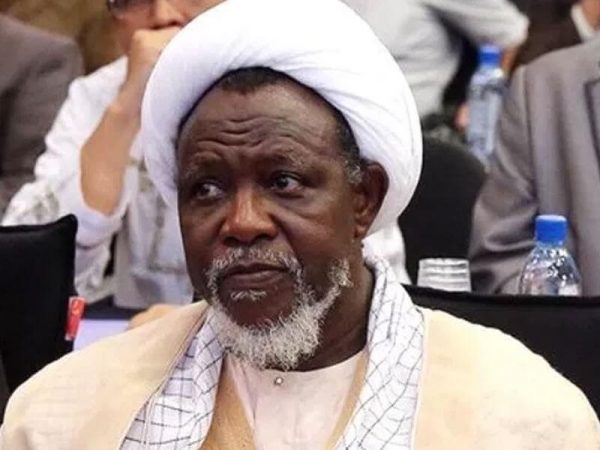
The commemoration event, organized by the IMN, sought to keep the memory of the victims alive and to galvanize public support for their cause. Mohammed Abubakar Abdullahi, the Chief Organiser, underscored the significance of the gathering, highlighting the immense suffering endured by IMN members and urging public empathy and solidarity. He expressed gratitude for the survival of Sheikh Ibrahim Zakzaky, the leader of the IMN, who was also detained during the incident, emphasizing that the Army’s alleged intention was the complete annihilation of the group. This reinforces the IMN’s perspective that the massacre was a targeted attack, rather than a response to an immediate threat.
The heart-wrenching testimonies of the victims formed the core of the commemoration, providing a stark and personal account of the massacre’s devastating impact. Mustapha, paralyzed by a gunshot wound sustained during the attack, testified to the injustice he and other IMN members faced, emphasizing their peaceful religious observance and the unprovoked nature of the assault. His testimony underscores the indiscriminate nature of the violence, affecting individuals who posed no threat. The poignant account of a widow who lost her husband in the massacre further highlighted the profound socio-economic consequences faced by families who lost their breadwinners. Her story represents the struggles faced by numerous families left to grapple with the emotional and financial burdens in the aftermath of the tragedy.
Nasir Hashim, a lecturer at Kaduna State University and a guest speaker at the commemoration, delivered a powerful message, decrying the pervasive lack of justice in Nigeria. He argued that those in power often benefit from injustice, creating a systemic barrier to accountability. Hashim’s assertion that justice must be actively pursued echoes the sentiment expressed by the victims and their families, who continue to seek redress for the wrongs committed against them. His words served as a call to action, urging citizens to demand accountability and challenge the structures that perpetuate injustice.
Hashim’s emotional response to the victims’ testimonies resonated deeply with the audience. His observation that innocent lives can be taken without consequences underscored the culture of impunity that prevails in Nigeria. The lack of accountability for the Zaria massacre fuels concerns about the potential for similar incidents to occur in the future. Hashim’s call for justice served as a reminder that preventing such atrocities requires a commitment to upholding the rule of law and ensuring that perpetrators are held responsible for their actions. The Zaria massacre stands as a stark reminder of the fragility of peace and the devastating consequences of unchecked state violence. The ongoing struggle for justice highlights the need for comprehensive reforms within Nigeria’s security apparatus and the judicial system to prevent future tragedies and ensure accountability for past atrocities.








