





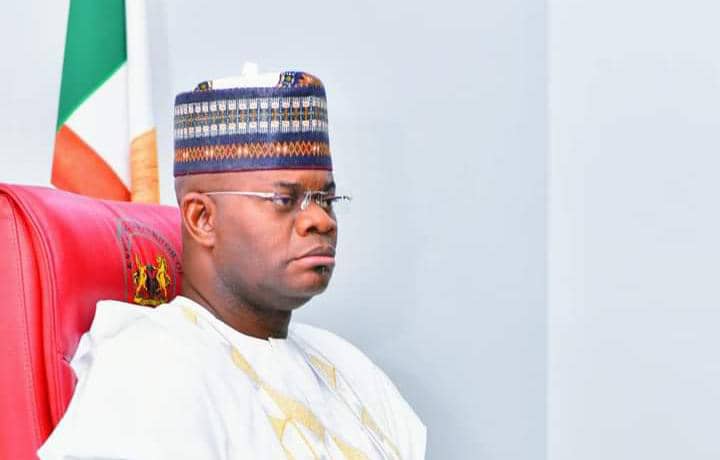
Former Kogi State Governor Yahaya Bello is currently detained at the Economic and Financial Crimes Commission (EFCC) holding facilities in Abuja, following a prolonged saga of evasion of arrest related to alleged financial crimes. Bello was declared wanted by the EFCC in April 2023, accused of involvement in a staggering N110 billion fraud. This came after the commission initially filed 19 charges against him and several associates for money laundering offenses amounting to over N80 billion. However, the allegations against Bello and others were intensified, with the charges being reduced to 16 and the amount in question increased to over N110 billion. They are accused of purchasing 12 properties in various locations in Abuja using the laundered funds.
Bello’s legal maneuvers to avoid court proceedings and prosecution have been continual. After an unsuccessful attempt to block his arraignment through an application to Justice Emeka Nwite, and subsequent overruling by the Court of Appeal, Bello faced mounting pressure to surrender himself for trial. In addition to his appeals to transfer the case jurisdiction from Abuja to Lokoja being dismissed, allegations also surfaced claiming that his successor, Usman Ododo, facilitated Bello’s initial escape from law enforcement during a raid at his residence. The EFCC struggled to arrest him after several failed attempts, leading to a tense standoff during which there were reports of gunfire when operatives were forced to act following Ododo’s arrival.
Despite having missed multiple invitations from the EFCC, Bello’s camp maintained that he complied with efforts to meet the agency voluntarily. While he claimed adherence to the rule of law, the EFCC countered by insisting he remained a wanted individual. There were also conflicting accounts regarding his presence at the EFCC premises, with Bello’s team asserting he was in respect of an invitation, while the EFCC denied any such diplomatic arrangement indicating he was still a fugitive from trial.
By November 2023, the legal situation escalated, with the EFCC filing fresh charges against Bello, including allegations of criminal breach of trust concerning N110.4 billion. The details specified that he had been summoned to appear before the High Court of the Federal Capital Territory, yet he notably failed to appear on the set date. In response to his absence, the court issued extended summons requiring his presence, with warnings that failure to comply might lead to arraignment in his absence.
Recent developments took a turn when reports emerged in November that Bello had finally been arrested by the EFCC, marking a crucial step in the agency’s long pursuit of compliance with legal proceedings. EFCC insiders revealed that he was taken into custody around 12:59 PM, with subsequent interrogations focusing on the serious allegations against him. This arrest provided the commission a pivotal opportunity to advance its case against him, with expectations firmly in place for his appearance in court for formal arraignment.
As hopes rose within the EFCC for a successful prosecution, the significance of Yahaya Bello’s case extended beyond the immediate legal ramifications. It became emblematic of larger issues concerning governance, corruption, and the need for accountability in the political landscape of Nigeria. The unfolding events would not only determine the fate of a former governor but also serve as a barometer of the commitment to addressing corruption at the highest levels of government. With the EFCC poised for arraignment, the anticipation around the legal proceedings promised to draw significant public attention and scrutiny.








