





The Assault on Catholic Missionaries in Ghana: A Detailed Account
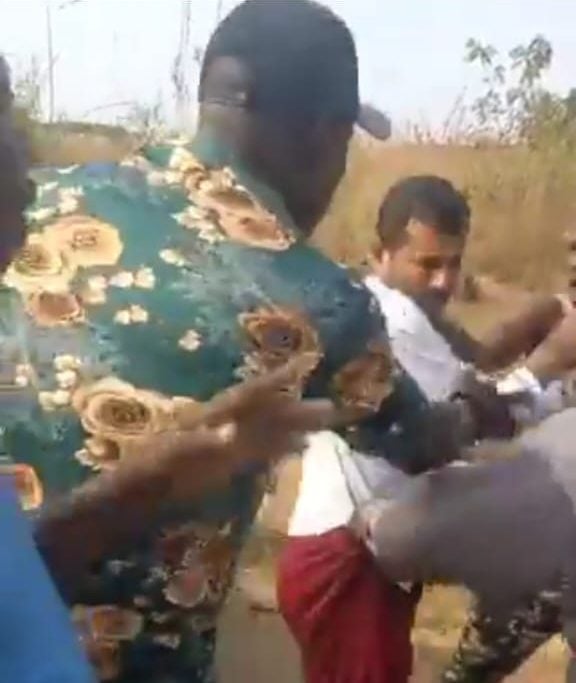
In the tranquil Oti Region of Ghana, a disturbing incident unfolded, marring the serenity of the landscape and raising concerns about political violence and the safety of religious figures. A group of Catholic missionaries affiliated with the Jasikan Diocese found themselves at the center of an unprovoked attack, allegedly perpetrated by supporters of the National Democratic Congress (NDC). The incident, which took place in the Nkwanta South Municipality, stemmed from a misunderstanding regarding the use of machinery intended for the District Road Improvement Project (DRIP). This incident serves as a stark reminder of the potential for political tensions to escalate into violence, particularly in the context of development projects and resource allocation.
The victims of the assault, identified as Reverend Fathers Henry, Martin, and Rubenson, were engaged in a noble mission to improve the infrastructure of the region. Their work encompassed both Nkwanta South and North, and they had embarked on a project to develop land acquired from the chiefs and elders of Chaiso in the Nkwanta South Municipality. To clear the land for construction, the missionaries sought the use of DRIP machinery, a request that ultimately led to the unfortunate confrontation. They followed proper procedures, obtaining approval from the Nkwanta South Municipal Assembly and paying the requisite fee of GHC9,700 for the use of the equipment. This act of due diligence underscores the missionaries’ commitment to acting responsibly and within the bounds of the law.
The alleged assailants, believed to be NDC supporters, apparently suspected the missionaries of improperly relocating the DRIP machines. This suspicion, fueled perhaps by political motivations or misinformation, led to the physical assault on the clergymen. The violence inflicted upon the missionaries was severe enough to require hospitalization for Reverend Father Henry, who was admitted to St. Joseph Catholic Hospital for treatment. This act of aggression against men of faith performing community service raises serious questions about the climate of tolerance and respect for religious figures in the region.
The incident has sparked a police investigation, led by Assistant Superintendent of Police (ASP) Lawrence Wiafe, the Nkwanta South Municipal Crime officer. The investigation aims to uncover the full details of the assault, identify the perpetrators, and bring them to justice. This investigation is crucial not only for ensuring accountability for the specific act of violence but also for sending a message that such behavior will not be tolerated. The outcome of the investigation will be closely watched by both the local community and the wider Ghanaian public, as it holds implications for the future of interfaith relations and political discourse in the region.
The assault on the Catholic missionaries highlights several concerning issues. Firstly, it exposes the potential for political affiliations to influence actions and lead to violence against individuals perceived as belonging to opposing factions. The alleged involvement of NDC supporters raises questions about the party’s responsibility in controlling its members and ensuring their actions align with the principles of peaceful political engagement. Secondly, the incident underscores the challenges faced by religious figures engaged in development work, particularly in areas with heightened political tensions. The missionaries, in their pursuit of improving the community, became unwitting targets of violence, highlighting the vulnerabilities faced by those who dedicate their lives to serving others.
Finally, the incident calls attention to the importance of accurate information and communication in preventing such misunderstandings. The alleged assailants acted on the suspicion that the missionaries were misusing the DRIP machines, a suspicion that proved to be unfounded. This incident underscores the need for clear communication and transparency regarding development projects and resource allocation to prevent misinformation from fueling conflict. The attack on the missionaries serves as a wake-up call for all stakeholders – political parties, community leaders, and religious organizations – to work together to promote dialogue, understanding, and respect for all members of society, regardless of their beliefs or affiliations. The healing process for the victims and the community will require a concerted effort to address the underlying issues that contributed to this unfortunate event.








