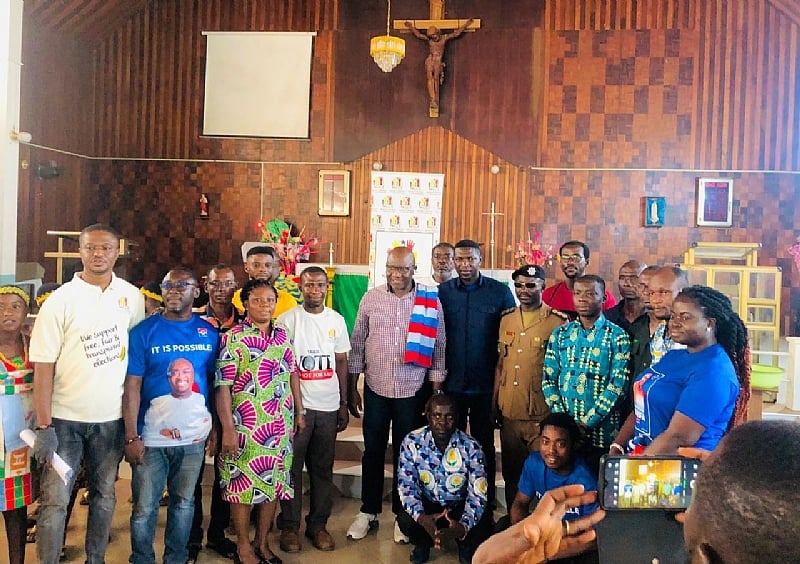
On November 29, 2024, the Amenfi West constituency in Ghana experienced a significant and unsettling event during a scheduled National Commission for Civic Education (NCCE) debate meant to facilitate open discourse among parliamentary candidates ahead of the general elections. The incumbent Member of Parliament (MP), Hon. Eric Afful, who represents the National Democratic Congress (NDC), chose not to show up at the event, leaving attendees feeling disappointed and frustrated. These constituency-level debates have traditionally provided candidates with a vital platform to present their visions and achievements while fostering direct engagement with the electorate, enhancing the overall electoral process. However, the absence of the incumbent overshadowed the proposed dialogue, particularly as only his opponent, Hon. Ignatius Kwasi Afrifa from the New Patriotic Party (NPP), participated in the debate.
The decision by Hon. Afful to skip the debate sparked considerable outrage among constituents and observers, as it suggested a disconnection from the public and a reluctance to participate in essential democratic activities. Engaging with voters is a fundamental aspect of the political process, particularly in the lead-up to elections, and Afful’s absence was seen as a sign that he might be avoiding accountability. Despite multiple outreach attempts to encourage his participation, Hon. Afful remained inaccessible, deepening suspicions about his commitment to engaging with voters and addressing their concerns. This lack of engagement was perceived by many as a troubling indicator of his approach to leadership and governance.
The disappointment surrounding the debate has fueled criticism of Hon. Afful among voters, who argue that his behavior reflects a concerning pattern of evasion and detachment from civic responsibilities. Many constituents are worried that he may be prioritizing political expediency over genuine engagement, relying instead on misleading communications and unsubstantiated claims to influence voter sentiment. This situation has led to calls from the community for a reevaluation of the political dynamics within the constituency. Voters are increasingly urged to critically assess their candidates based on not only their promises but also their history of engagement and accountability.
With the election rapidly approaching, constituents in Amenfi West are being encouraged to prioritize electing leaders who exhibit transparency and a proactive attitude towards their responsibilities. The NCCE debate aimed to be a comprehensive information-sharing avenue, but instead highlighted the need for a more discerning approach to leadership at the grassroots level. Voters are reminded that electing individuals committed to open dialogue and public service can foster a stronger democratic culture and enhance community welfare. The actions of candidates in the lead-up to elections can significantly influence the quality of representation that voters can expect in the future.
Hon. Afful’s absence from such a critical civic event poses essential questions about the standards of political leadership constituents are willing to accept. This incident serves as a reminder of the vital role that accountability plays in political representation. As constituents prepare to exercise their voting rights, they are called upon not just to consider the promises made during election campaigns but also to reflect on candidates’ past actions and their willingness to engage with the community throughout their tenure. This scrutiny is essential in building a more responsible and responsive political landscape in Amenfi West.
In conclusion, the events surrounding the NCCE debate in Amenfi West have provoked meaningful discourse about the expectations of political leaders and the importance of civic engagement in the electoral process. Constituents are encouraged to take these reflections seriously, recognizing their power to influence the future trajectory of their constituency through informed voting. As they approach the polls, the emphasis on accountability, transparency, and genuine leadership engagement may serve as crucial metrics by which to evaluate the candidates vying for their support, ensuring that they select representatives who are truly committed to serving the interests of their communities.