









The Shadow of Boko Haram: Allegations of War Crimes and Crimes Against Humanity in Nigeria
The ongoing conflict between the Nigerian military and Boko Haram insurgents has cast a long and grim shadow over northeastern Nigeria. The violence, which has persisted for over a decade, has resulted in widespread human suffering and displacement, with countless lives lost and communities shattered. Amidst the chaos and devastation, Amnesty International has levelled grave accusations against the Nigerian military, alleging that over 10,000 people have died in their custody since the insurgency began. This staggering figure paints a disturbing picture of potential human rights abuses and raises serious questions about the conduct of the military during this protracted conflict.
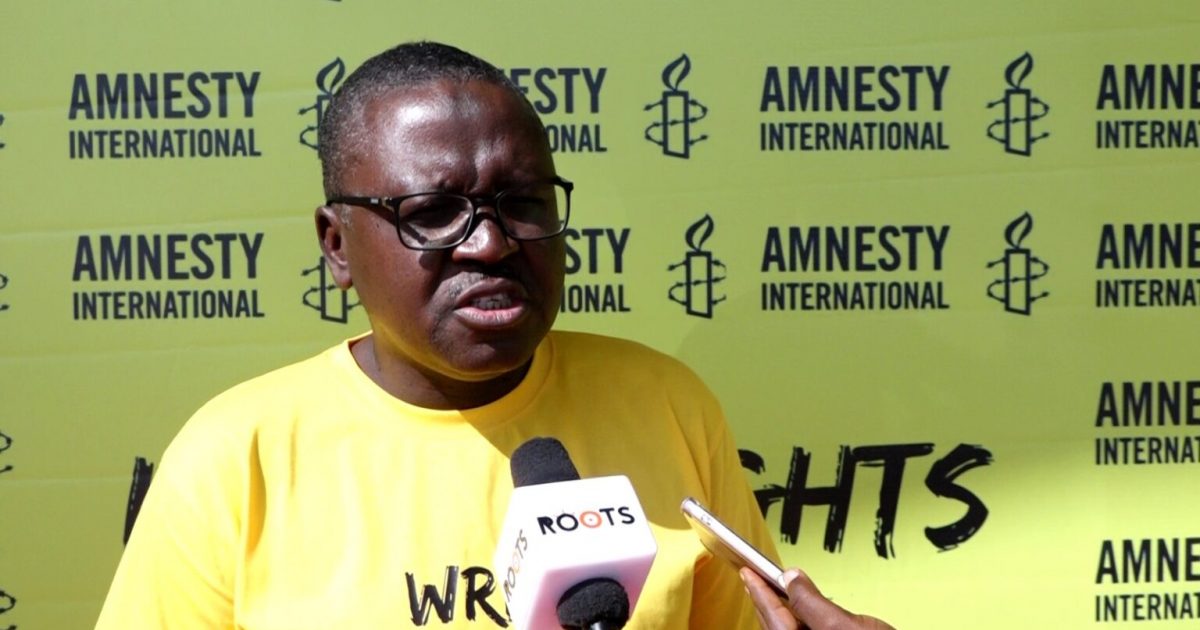
Amnesty International’s allegations, presented during a press conference and in a detailed 144-page report, paint a grim picture of systematic human rights violations and potential war crimes committed by both the Nigerian military and Boko Haram. The organization claims that the military has adopted a policy of treating anyone from Boko Haram-controlled areas as suspected members of the group, leading to widespread arbitrary detentions and extrajudicial killings. The report documents a litany of abuses, including torture, rape, and enforced disappearances, all allegedly perpetrated by government forces. Further, Amnesty International suggests that these actions may constitute crimes against humanity, including murder, extermination, imprisonment, and gender-based persecution. The organization asserts that the Nigerian military’s actions are systematic and deliberate, targeting civilians in a calculated manner.
Adding to the complexity of the situation, Amnesty International’s report also condemns Boko Haram for their own atrocities. The insurgent group has engaged in a campaign of terror, characterized by mass killings, abductions, and targeted attacks on schools, particularly those providing "Western" education. The abduction of girls and young women, a hallmark of Boko Haram’s brutal tactics, has garnered international condemnation and sparked widespread outrage. The group’s systematic assault on education aims to instill fear and prevent access to knowledge, further destabilizing the region and hindering any prospect of long-term peace and development. The intertwined atrocities committed by both the Nigerian military and Boko Haram have created a climate of fear and impunity, making the pursuit of justice and accountability all the more challenging.
In response to the Amnesty report, the Nigerian government through the Attorney General of the Federation, Lateef Fagbemi, expressed discontent with the prolonged investigation by the International Criminal Court (ICC) into the Nigerian military, calling it unjust. Fagbemi argued that Nigeria has demonstrated its commitment to promoting justice and ending terrorism on the global stage. He maintained that Nigeria possesses the will and capacity to investigate and prosecute serious crimes, including those committed by Boko Haram and other terrorist groups, thus rendering the ICC’s involvement unnecessary. The Attorney General emphasized the principle of complementarity, stating that the ICC should only intervene when national legal systems are unable or unwilling to address grave crimes, a situation he asserts does not apply to Nigeria.
Further bolstering his argument, Fagbemi cited the findings of an independent Special Investigative Panel established by the National Human Rights Commission to investigate allegations made against the Nigerian military by Reuters. The panel, according to the Attorney General, found no evidence to support the claims of killings, torture, and recruitment of underage fighters, concluding that the allegations were false and exaggerated. This assertion underscores the Nigerian government’s position that its internal mechanisms are sufficient to address allegations of human rights abuses and that external intervention by the ICC is unwarranted. The conflicting narratives presented by Amnesty International and the Nigerian government highlight the deep divisions and complexities surrounding the ongoing conflict and the pursuit of accountability.
The allegations levelled by Amnesty International against the Nigerian military have significant implications for the country’s international standing and its commitment to human rights. While the Nigerian government maintains its commitment to justice and accountability, the scale and severity of the alleged abuses demand thorough and impartial investigation. The International Criminal Court’s ongoing examination of the situation in Nigeria underscores the international community’s concern regarding the human rights situation in the conflict zone. The path towards justice and reconciliation in northeastern Nigeria requires a concerted effort to address the root causes of the conflict, hold perpetrators accountable, and provide redress for the victims of this protracted and devastating violence. The international community must continue to exert pressure on both the Nigerian government and Boko Haram to ensure respect for human rights and international humanitarian law. Ultimately, achieving lasting peace and stability in the region will require a comprehensive approach that addresses the underlying grievances that fuel the conflict, promotes inclusive governance, and fosters sustainable development.









