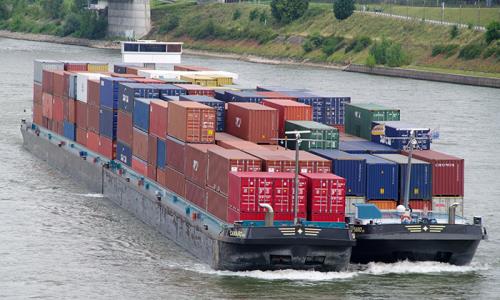
Dr. Eugene Nweke, the Head of Research at the Sea Empowerment and Research Centre, RGT, has raised alarm over the condition of shipping containers operating within Nigeria, revealing that an alarming 40 percent are classified as either unsafe or in poor condition. In an exclusive interview with The PUNCH, Nweke, who has also served as the former President of the National Association of Government Approved Freight Forwarders, described many containers in use as “rickety” and “unseaworthy,” underscoring a significant risk to the safety and efficacy of the shipping and port sector in Nigeria.
A crucial contributor to the increasing volume of these substandard containers is attributed to high freight costs, particularly the expenses associated with returning empty containers to their ports of origin. Nweke detailed that the costs can range from $400 to $600, leading to unethical practices and extortion at various shipping line release halls. This financial burden exacerbates the problem, discouraging shipping companies from returning empty containers, which consequently leads to their accumulation in Nigerian ports. The situation is compounded further as many bonded terminals initially meant for cargo storage have now been repurposed to accommodate these empty containers, reflecting the disorganization within the sector.
Confirming Nweke’s assertions, Ugochukwu Nnadi, the Head of the Shipping and Terminal Logistics Department of NAGAFF, also pointed to outdated and substandard containers being commonplace in the sector. He emphasized the deficiencies in regulatory frameworks within Nigeria, which fail to ensure proper inspections of containers. The lack of a consistent standard means that many containers continue to operate without necessary evaluation, leading to safety concerns for both the shipping industry and end-users of these services.
In addition, Dr. Kayode Farinto, a former acting National President of the Association of Nigerian Licensed Customs Agents, acknowledged that while some improvements may be evident in the industry’s oversight, the prevalence of expired containers remains a pressing concern. Farinto’s observations suggest a nuanced landscape where progress has been made, but substantial issues, particularly regarding container safety and standards, require urgent address. This confirmation from another authority in the sector reinforces the ongoing challenges facing Nigeria’s shipping and port industry.
The cumulative impact of these factors—high shipping costs, substandard containers, lack of regulatory inspection, and the repurposing of facilities—points to a dire need for comprehensive reforms within Nigeria’s maritime sector. Stakeholders are urged to examine and amend existing practices and policies to create a safer and more efficient shipping environment. The importance of developing a robust regulatory framework that mandates regular inspections and establishes stricter safety standards cannot be overstated, as it is critical for ensuring the reliability of shipping containers and overall supply chain integrity.
In summary, the revelations surrounding the state of shipping containers in Nigeria highlight a systemic issue within the maritime industry that requires immediate attention. With a significant portion of containers operating in poor conditions and the financial incentives leading to malpractice at shipping lines, collaborative efforts are essential amongst authorities, industry players, and stakeholders to address the pressing concerns. Implementing necessary reforms could help restore confidence in Nigeria’s shipping and port sector, ensuring the safety and efficiency of operations in the short and long term.