





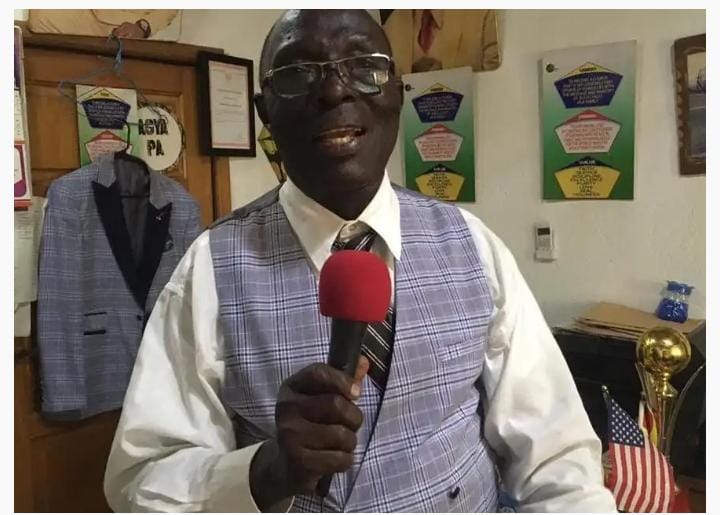
Apostle John Kwaku Appiah, a prominent religious leader in Kumasi, Ghana, delivered a potent message to the newly elected President John Dramani Mahama, underscoring the profound significance of his electoral victory. Appiah framed the victory not merely as a political triumph, but as a divine mandate, a sacred trust bestowed upon Mahama by God himself. This perspective emphasizes the weighty responsibility that accompanies leadership, placing the onus on Mahama to govern with integrity, guided by divine principles and a deep commitment to the well-being of the Ghanaian people. The Apostle urged Mahama to view his inauguration and the oath of office, particularly the act of swearing on the Bible, not as a symbolic ritual, but as a solemn covenant with God and the nation.
Appiah’s message highlighted the critical importance of integrating faith and governance. He argued that true and lasting progress for Ghana can only be achieved through leadership that is firmly rooted in divine wisdom and moral principles. He lamented the historical tendency of some leaders to disregard divine guidance, choosing instead to operate with arrogance and self-interest, a path he warned ultimately hinders national development. He urged Mahama to break this cycle, embracing God’s word as the foundation of his administration and allowing it to shape his policies and decisions. By aligning his leadership with divine principles, Appiah asserted, Mahama could unlock the nation’s true potential and steer it towards a brighter future.
The Apostle further emphasized the need for humility and collaboration in Mahama’s leadership approach. He advised the President to learn from the electoral process, both the victory and the challenges faced, recognizing the collective wisdom and aspirations of the Ghanaian people. He stressed the importance of open communication, a willingness to acknowledge and rectify mistakes, and a commitment to working hand-in-hand with the citizenry to address the nation’s challenges. This collaborative approach, Appiah suggested, would foster unity and ensure that the government remains responsive to the needs of its people.
Appiah characterized Mahama’s victory as historic, distinguishing it from previous, closely contested elections. He interpreted the decisive outcome as a clear mandate from the Ghanaian people, a resounding expression of their desire for positive change and their confidence in Mahama’s ability to lead this transformation. This mandate, according to Appiah, demands an administration characterized by transparency, boldness, truthfulness, and accountability. These qualities, he argued, are essential for building trust with the people and effectively tackling the complex issues facing the nation. He stressed the importance of appointing individuals of integrity and dedication to key positions within the administration, individuals whose primary motivation is to serve the nation and contribute meaningfully to its progress.
The Apostle commended Mahama for his inclusive approach, particularly his acknowledgement of his political rivals, former President Akufo-Addo and Vice President Dr. Bawumia, during his swearing-in address. This gesture, according to Appiah, demonstrated a spirit of unity and a commitment to working across political divides for the common good. He expressed hope that this spirit of collaboration would permeate the new administration, fostering a climate of mutual respect and cooperation that transcends partisan politics. This, he believed, would be crucial for achieving national unity and progress.
In his concluding remarks, Apostle Appiah offered his heartfelt congratulations to President Mahama and extended his best wishes for a successful and impactful term in office. He prayed for God’s wisdom and guidance to illuminate Mahama’s path and empower him to lead Ghana towards prosperity. He also offered a cautionary note, urging the President to be wary of “false prophets” who might attempt to sway his decisions with misleading counsel. He emphasized the importance of discerning true divine guidance and remaining steadfastly committed to the principles of truth and integrity. Appiah’s message served as a powerful reminder of the moral and spiritual dimensions of leadership, urging President Mahama to embrace his role not merely as a political leader, but as a servant of God and the Ghanaian people. He emphasized that true leadership is rooted in service, humility, and a unwavering commitment to the well-being of the nation.








