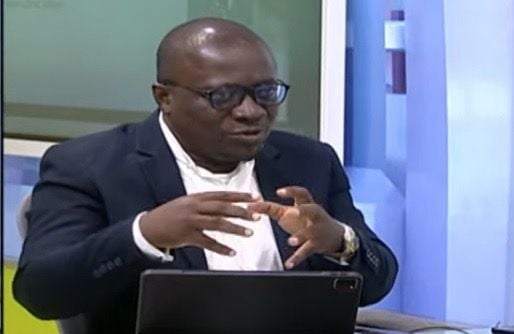
The Ghanaian political landscape is embroiled in a heated debate over the newly implemented “dumsor levy,” a surcharge aimed at addressing the nation’s persistent energy crisis. The levy has sparked fierce opposition from the New Patriotic Party (NPP), which is accusing the ruling National Democratic Congress (NDC) of mismanagement and betrayal of public trust. However, Andrew Appiah Danquah, a prominent communicator for the Movement for Change, has countered the NPP’s criticism, arguing that the party lacks the moral standing to condemn the levy and should instead apologize to Ghanaians for its own handling of the energy sector. Danquah contends that the NPP’s actions during its time in power exacerbated the energy crisis, leaving the NDC to grapple with the consequences.
Danquah’s core argument centers on the NPP’s alleged misuse of funds collected under the Energy Sector Levy Act (ESLA). He asserts that the NPP collected substantial revenue through ESLA, ostensibly to address the energy sector’s debt burden, but instead implemented policies that further deepened the financial woes of the sector. This alleged mismanagement, Danquah claims, directly contributed to the current energy crisis and undermines the NPP’s criticism of the dumsor levy. He calls for a comprehensive audit of the energy sector to uncover the extent of the NPP’s alleged mismanagement and to ensure accountability for those responsible.
Furthermore, Danquah highlights the NPP’s failure to implement critical recommendations outlined in the World Bank-supported Energy Sector Recovery Programme. He argues that the NPP’s disregard for these recommendations, which were designed to stabilize and improve the energy sector, further aggravated the existing challenges and paved the way for the current crisis. Danquah specifically points to widespread corruption within the Electricity Company of Ghana (ECG) as a significant contributing factor to the sector’s woes and calls for a thorough investigation to expose and punish those involved.
The clash between the NPP and the Movement for Change reflects the deep political divisions within Ghana regarding the energy crisis and its potential solutions. The NPP maintains that the dumsor levy is an unfair burden on Ghanaians and represents a broken promise by the NDC. They argue that the government should explore alternative solutions to address the energy crisis without imposing additional financial strain on citizens. On the other hand, Danquah and the Movement for Change argue that the NPP’s criticisms are disingenuous, given their own alleged mismanagement of the energy sector. They believe the levy is a necessary step to address the legacy of the NPP’s policies and to ensure long-term stability in the energy sector.
The debate over the dumsor levy underscores the complex and multifaceted nature of Ghana’s energy challenges. Years of underinvestment, mismanagement, and corruption have left the sector in a precarious state. The competing narratives presented by the NPP and the Movement for Change highlight the difficulty in achieving consensus on how to move forward. A thorough and independent investigation into the energy sector’s finances and operations is crucial to determine the root causes of the crisis and to identify responsible parties. Such an investigation would not only provide a basis for holding those accountable but also inform future policy decisions aimed at ensuring a stable and reliable energy supply for all Ghanaians.
Ultimately, the resolution of Ghana’s energy crisis will require a concerted effort from all stakeholders. Political parties must move beyond partisan rhetoric and engage in constructive dialogue to identify sustainable solutions. Transparency and accountability are paramount to restoring public trust and ensuring that the mistakes of the past are not repeated. The dumsor levy debate serves as a stark reminder of the urgent need for comprehensive reforms and a renewed commitment to addressing the long-standing challenges plaguing Ghana’s energy sector.