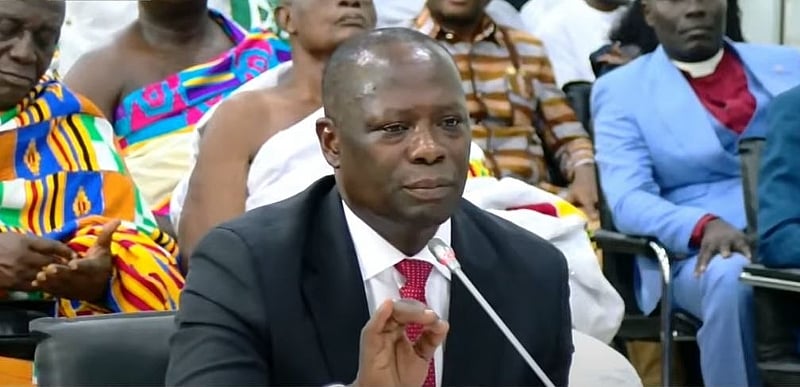
Ghana’s mining sector, a significant contributor to the nation’s economy, faces critical challenges stemming from inefficiencies and loopholes within its licensing regime. Emmanuel Armah-Kofi Buah, the Lands and Natural Resources Minister-Designate, highlighted these concerns during his vetting, emphasizing the urgent need for a comprehensive overhaul of the system. The current framework, riddled with redundancies and exploitable weaknesses, has facilitated practices that hinder effective regulation and responsible resource management. One of the most glaring issues is the allowance for individuals to accumulate numerous mining licenses, effectively circumventing the intended classifications and operating on a scale comparable to large-scale mining companies without the corresponding regulatory oversight. This practice not only undermines the regulatory framework but also potentially leads to environmental degradation and revenue loss for the state.
Buah’s observations underscore the systemic nature of the problem. The ability of individuals to amass a significant number of licenses, as exemplified by the case of one person holding nearly 50 licenses, reveals a critical flaw in the licensing process. This accumulation allows these individuals to operate across contiguous areas, creating a de facto large-scale mining operation while remaining classified as small-scale miners. This loophole allows them to bypass the stricter regulations and scrutiny applied to large-scale operations, potentially leading to environmental damage, unsafe working conditions, and revenue leakage. The current system, therefore, necessitates immediate and comprehensive reform to ensure that it promotes responsible mining practices and maximizes benefits for the nation.
The Minister-Designate’s commitment to a holistic review of the licensing regime is a crucial first step towards addressing these challenges. This review should aim to identify and rectify the loopholes that permit the accumulation of licenses and ensure a clear distinction between small-scale and large-scale mining operations. Furthermore, the review should consider incorporating stricter criteria for license acquisition, including thorough background checks, technical expertise assessments, and financial capacity evaluations. This will help in filtering out speculative license holders and ensuring that only qualified and responsible operators are granted access to Ghana’s mineral resources. The review process must be transparent and inclusive, involving all stakeholders, including mining communities, civil society organizations, and industry experts, to ensure that the reformed licensing regime reflects the needs and concerns of all parties.
Strengthening the regulatory framework is paramount to ensure responsible and sustainable mining practices in Ghana. This entails empowering regulatory bodies with the necessary resources and authority to effectively monitor mining operations, enforce compliance, and address violations. Investing in advanced monitoring technologies and data analysis capabilities will enhance transparency and enable regulatory agencies to track mining activities in real-time. Furthermore, regular and rigorous inspections of mining sites are essential to verify compliance with environmental regulations, safety standards, and labor laws. Strengthened enforcement mechanisms, including substantial penalties for violations, will deter illegal mining activities and promote a culture of compliance within the sector.
Promoting transparency and accountability within the mining sector is vital for building public trust and ensuring responsible resource governance. Publicly accessible information on license holders, mining contracts, and environmental impact assessments will enable citizens to hold mining companies accountable for their actions. Establishing a robust grievance mechanism will provide a platform for communities affected by mining operations to voice their concerns and seek redress. Promoting community participation in mining decisions will further enhance transparency and ensure that mining activities align with the needs and priorities of local communities. These measures will contribute to fostering a more equitable and sustainable mining sector that benefits all stakeholders.
In conclusion, the inefficiencies and loopholes in Ghana’s mining licensing process pose a significant threat to the sustainable development of the sector. The Minister-Designate’s commitment to a holistic review of the licensing regime represents a crucial step towards addressing these challenges. By strengthening the regulatory framework, promoting transparency and accountability, and ensuring community participation in mining decisions, Ghana can create a more robust and sustainable mining sector that contributes to economic growth while safeguarding the environment and the well-being of its citizens. The imperative now is to translate these commitments into concrete actions and reforms that will transform the mining sector into a true engine of sustainable development.