









The Vandalism Incident at Parliament House: A Breach of Security and a Call for Enhanced Protection
On a day that began like any other, the serene atmosphere of Parliament House in Accra, Ghana, was shattered by an act of wanton vandalism. A lone individual, whose identity remains undisclosed pending further police investigation, embarked on a destructive spree, targeting vehicles parked within the parliamentary premises. Eyewitnesses recount a scene of chaos and disbelief as the suspect systematically smashed the windscreens and windows of several cars, leaving a trail of shattered glass and heightened anxiety in his wake. This brazen act of vandalism has not only resulted in significant property damage but has also raised serious concerns about the effectiveness of security measures in place at such a high-profile location.
The motive behind the suspect’s actions remains shrouded in mystery. Speculation abounds, ranging from personal grievances to politically motivated sabotage, but until the police conclude their investigations and release an official statement, the true reasons for this destructive act will remain unknown. What is certain, however, is that this incident has exposed vulnerabilities in the security apparatus of Parliament House, prompting a critical review of existing protocols and a call for strengthened protective measures.
The Arrest and Ongoing Investigation: Unraveling the Motive and Ensuring Accountability
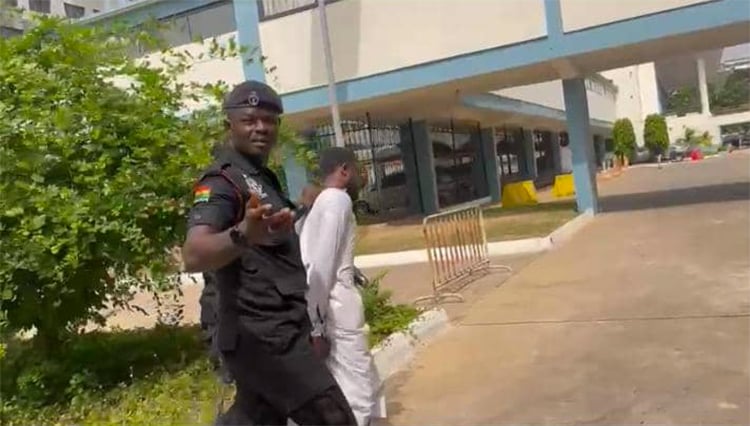
Swift action by security personnel led to the apprehension of the suspect at the scene of the crime. He is currently in police custody, assisting with the ongoing investigation. Authorities have remained tight-lipped about the suspect’s identity, refraining from releasing any details that could potentially compromise the integrity of the investigation. However, the police have assured the public that they are diligently pursuing all leads and are committed to bringing the perpetrator to justice.
The investigation is expected to delve into several key aspects of the incident, including the suspect’s background, any potential accomplices, and the precise sequence of events leading up to the vandalism. Forensic experts will meticulously examine the damaged vehicles and collect any available evidence that could shed light on the motive and the methods employed by the suspect. The authorities are also likely to review security footage from surveillance cameras within and around Parliament House to reconstruct the incident and identify any security lapses that may have contributed to the breach.
The Aftermath and Implications: Reassessing Security Protocols and Strengthening Protective Measures
The vandalism incident at Parliament House has sent shockwaves through the nation, prompting widespread condemnation and raising concerns about the safety and security of government institutions. This incident serves as a stark reminder of the vulnerability of even the most heavily guarded locations to acts of vandalism and potential security breaches. It underscores the need for constant vigilance and proactive measures to prevent such incidents from occurring in the future.
In the wake of this incident, a comprehensive review of security protocols at Parliament House is imperative. This review should encompass all aspects of security, including access control, surveillance systems, and the deployment of security personnel. Identifying and rectifying any weaknesses in the current security framework is crucial to ensuring the safety and security of parliamentarians, staff, and visitors to this vital institution.
Strengthening Security Measures: A Multi-Pronged Approach to Enhancing Protection
The incident has highlighted the need for a multi-pronged approach to strengthening security measures at Parliament House. This includes enhancing physical security measures, such as reinforced perimeter fencing, upgraded surveillance systems with advanced analytics capabilities, and increased deployment of well-trained security personnel.
In addition to physical security enhancements, bolstering cybersecurity measures is equally critical. Protecting sensitive information and preventing unauthorized access to critical systems is paramount in today’s digital age. Regular security audits, penetration testing, and employee training on cybersecurity best practices should be implemented to safeguard against cyber threats and ensure the integrity of Parliament’s digital infrastructure.
Public Awareness and Collaboration: Fostering a Culture of Security Consciousness
Raising public awareness about security protocols and fostering a culture of security consciousness are essential components of a comprehensive security strategy. Educating the public about the importance of reporting suspicious activities and cooperating with security personnel can significantly enhance the effectiveness of security measures. Establishing clear communication channels and fostering a strong partnership between law enforcement agencies, security personnel, and the public is crucial for creating a secure environment at Parliament House and other critical government facilities.
Ensuring Accountability and Transparency: Maintaining Public Trust and Confidence
The authorities must ensure transparency and accountability throughout the investigation process and in the implementation of enhanced security measures. Regular updates to the public on the progress of the investigation and the steps being taken to strengthen security will help maintain public trust and confidence in the government’s commitment to protecting its institutions and citizens. This incident serves as a wake-up call for all stakeholders to prioritize security and work collaboratively to create a safer and more secure environment for everyone.









