





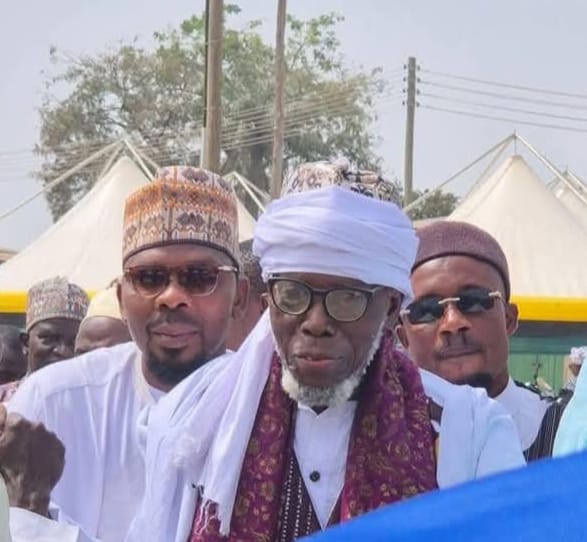
The Ashanti Region of Ghana has ushered in a new era of Islamic leadership with the inauguration of Sheikh Abdul Rahman Zakaria as the Regional Chief Imam. This significant event, held in Kumasi, marks the culmination of a transition period following the passing of the esteemed Sheikh Abdul Mumin Haroun, who served the community for 13 years. The ceremony, which also served as the final funeral rites for the late Imam, was a momentous occasion attended by a diverse array of dignitaries, including political leaders, religious figures, chiefs, and members of the public, reflecting the widespread respect and influence of the position within the region. The inauguration not only signifies a change in leadership but also carries the weight of expectations for the future direction of the Muslim community in Ashanti.
Sheikh Abdul Rahman Zakaria assumes his role amidst high expectations from the Muslim community, who look to him for spiritual guidance and leadership. His responsibilities extend beyond leading prayers and religious observances; he is expected to be a unifying force, bridging the divides that may exist within the diverse Muslim population. This includes fostering understanding and cooperation among different tribes, sects, and political affiliations within the community, ultimately strengthening the bonds of Islamic brotherhood. Furthermore, the new Chief Imam is tasked with maintaining the highest ethical standards, embodying integrity, impartiality, and fairness in his decisions and actions. This serves as a crucial example for the community, fostering trust and respect for the leadership.
The appointment of Sheikh Abass Karaara as the Deputy Regional Chief Imam further solidifies the new leadership structure, providing support and assistance to Sheikh Zakaria in fulfilling his duties. This collaborative approach underscores the importance of shared responsibility and ensures that the community’s spiritual needs are effectively addressed. The formal presentation of a certificate of recognition by the National Chief Imam, Sheikh Osmanu Nuhu Sharubutu, who also supervised the inauguration, signifies the official endorsement and legitimization of the appointment within the broader Islamic hierarchy in Ghana.
The presence of high-profile dignitaries, including President Nana Addo Dankwa Akufo-Addo, Vice President Dr. Mahamudu Bawumia, and other government officials, underscores the importance of the event not only within the religious sphere but also within the national context. Their attendance acknowledges the significant role that religious leadership plays in fostering social cohesion and promoting peace and understanding within the wider Ghanaian society. It also highlights the government’s recognition of the importance of engaging with and supporting religious communities as vital partners in national development.
The inauguration of Sheikh Abdul Rahman Zakaria signifies a new chapter for the Muslim community in the Ashanti Region. He inherits a legacy of leadership and community service and is tasked with navigating the evolving needs and challenges of a dynamic and diverse population. His success will depend not only on his personal qualities but also on the collective effort of the community to work together towards shared goals. The Ashanti region, known for its rich cultural heritage and vibrant Muslim community, anticipates a future of continued spiritual growth and social harmony under the guidance of its new Chief Imam.
As Sheikh Abdul Rahman Zakaria embarks on his leadership journey, the community eagerly awaits the positive impact he is expected to bring. His role as a bridge-builder, fostering unity within diversity, is paramount. By upholding the principles of fairness, integrity, and impartiality, he can inspire trust and confidence among his followers. The task ahead is significant, but with the support of the deputy imam and the blessings of the national leadership, the new Chief Imam is poised to make a meaningful contribution to the spiritual and social fabric of the Ashanti Region. The presence of national leaders at his inauguration signifies not only the importance of this role but also the expectation of fruitful collaboration between religious and political spheres in promoting the well-being of the community and the nation as a whole.








