









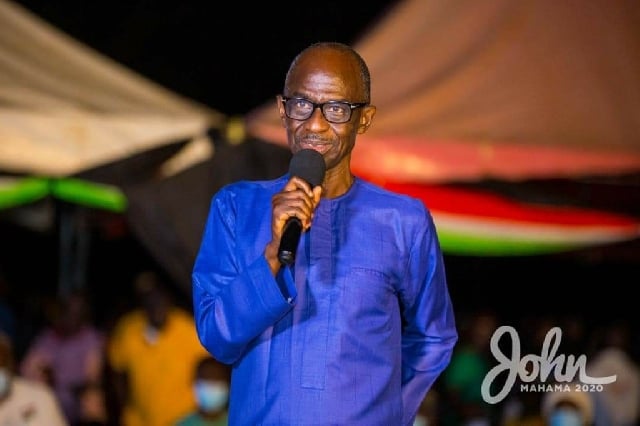
The Republic of Ghana embarked on a pivotal democratic exercise on December 7, 2024, culminating in the return of John Dramani Mahama and the National Democratic Congress (NDC) to the helm of the nation. This election marked a significant shift in the political landscape, reflecting the electorate’s desire for change and renewed hope in Mahama’s leadership. The victory signaled a complex interplay of factors, including public perception of the incumbent government’s performance, the appeal of Mahama’s campaign promises, and the overall socio-economic climate prevailing in the country. The election process itself was largely peaceful and transparent, underscoring Ghana’s commitment to democratic principles and peaceful transitions of power. International observers lauded the conduct of the elections, further solidifying Ghana’s reputation as a beacon of democracy in West Africa.
Mahama’s victory represents a remarkable comeback story. Having served as President from 2012 to 2017, he lost the 2016 election to Nana Akufo-Addo of the New Patriotic Party (NPP). His subsequent return to power in 2024 speaks volumes about his resilience and the enduring appeal of his political brand. During his previous tenure, Mahama focused on infrastructure development, particularly in the areas of transport and energy. He also implemented social intervention programs aimed at improving access to education and healthcare. However, his administration also faced challenges, including economic pressures and allegations of corruption. His 2024 campaign addressed these concerns head-on, promising a renewed focus on good governance, economic stability, and job creation. He pledged to tackle corruption decisively, strengthen institutions, and create an environment conducive to private sector growth.
The NDC’s successful campaign strategy leveraged a combination of factors. Mahama’s charisma and experience played a significant role, resonating with voters seeking a familiar and experienced hand at the wheel. The party also effectively capitalized on public dissatisfaction with the outgoing NPP government, particularly on issues such as the economy, unemployment, and perceived corruption. The NDC’s messaging focused on these concerns, promising tangible solutions and a more inclusive approach to governance. They also effectively utilized social media and other communication channels to reach a wider audience, particularly the youth, who form a significant portion of the electorate.
The 2024 Ghanaian election also highlighted the growing importance of youth participation in politics. Young Ghanaians, facing challenges such as unemployment and limited opportunities, actively engaged in the political discourse, demanding solutions and accountability from their leaders. Both the NDC and NPP recognized the importance of this demographic and tailored their campaigns to appeal to their aspirations and concerns. The active participation of young voters underscored the vibrancy of Ghanaian democracy and its capacity to adapt to changing demographics and expectations.
The election results signify a mandate for change and a renewed focus on addressing the challenges facing the nation. Mahama’s administration will be expected to deliver on its campaign promises, particularly in revitalizing the economy, creating jobs, and tackling corruption. The government will also need to navigate the complexities of a globalized world, addressing issues such as climate change, regional security, and economic instability. The international community will be closely watching Ghana’s progress, given its status as a democratic model in the region.
Looking ahead, Ghana’s political landscape is likely to remain dynamic and competitive. The NPP, despite its electoral setback, will undoubtedly continue to play a significant role in the country’s political discourse. The 2024 election has demonstrated the resilience of Ghanaian democracy and the power of the electorate to shape the nation’s future. The incoming Mahama administration faces the daunting task of meeting the high expectations of the Ghanaian people, while navigating the complex challenges of governing in a rapidly changing world. The success of his second term will depend on his ability to deliver on his promises, foster unity, and steer the nation towards a path of sustainable development and prosperity.









