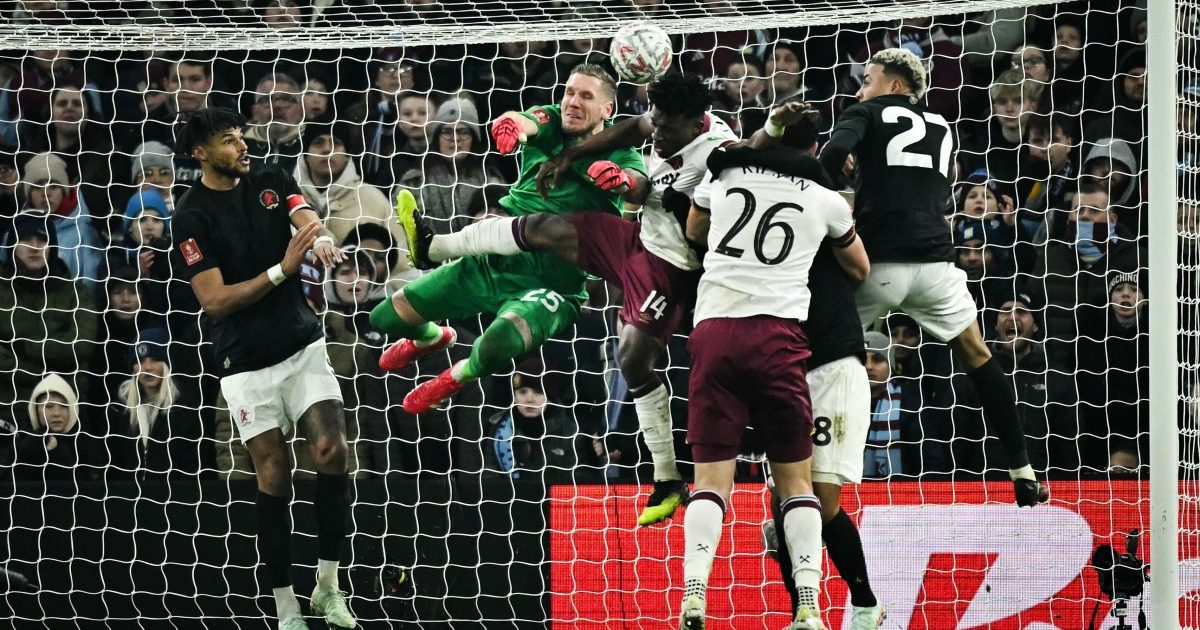
Graham Potter’s highly anticipated return to management after his dismissal from Chelsea ended in disappointment as his new team, West Ham, succumbed to a 2-1 defeat against Aston Villa in the FA Cup third round. The match, played under the biting chill of a January evening at Villa Park, provided a stark reminder of the challenges that lie ahead for Potter and his Hammers. Despite a promising start that saw West Ham take an early lead, Aston Villa rallied in the second half, exposing defensive frailties that ultimately cost West Ham the victory and a progression in the competition. This early setback underscores the magnitude of the task facing Potter as he attempts to rebuild his managerial reputation and guide West Ham to success.
Potter’s appointment on Thursday, swiftly following the dismissal of Julen Lopetegui after a brief six-month tenure, highlighted the club’s desire for a fresh start. Lopetegui’s struggles to build upon the Europa Conference League triumph achieved under David Moyes, coupled with lingering fan discontent over Moyes’ pragmatic playing style, created an atmosphere of anticipation for Potter’s arrival. The former Brighton manager arrived with a point to prove after his unsuccessful stint at Chelsea, where he faced intense scrutiny and ultimately failed to meet expectations despite substantial financial investment in the squad. The Villa match, his first back in the dugout, presented an opportunity to begin a new chapter and demonstrate the lessons learned from his Chelsea experience.
The opening stages of the game offered a glimmer of hope for West Ham supporters. Their team displayed attacking intent and verve, causing problems for the Villa defense. Lucas Paqueta, instrumental in West Ham’s early dominance, capitalized on a well-worked move to give his side the lead in the ninth minute. The Brazilian’s clinical finish, following a clever run and assist from Crysencio Summerville, sparked jubilant celebrations from Potter, who understandably appeared eager to mark his return with a victory. This early goal seemed to validate the optimism surrounding Potter’s appointment and hinted at the attacking football he could potentially bring to West Ham.
However, the positive momentum was disrupted by an injury to striker Niclas Fullkrug, forcing Potter into an early substitution. Despite this setback, West Ham continued to threaten, with Paqueta remaining a constant menace to the Villa defense. The first half belonged to the Hammers, who showcased the kind of dynamic attacking play absent under previous managers. Yet, the underlying defensive vulnerabilities, which would ultimately prove their undoing, remained masked by their offensive prowess. This fragility laid the groundwork for Villa’s resurgence in the latter half of the game.
The second half witnessed a dramatic shift in momentum. Aston Villa, revitalized by manager Unai Emery’s tactical adjustments, began to assert their dominance. They pushed West Ham deeper into their own half, exploiting the defensive gaps that had been concealed during the first 45 minutes. This sustained pressure eventually yielded an equalizer in the 71st minute. A corner kick, which West Ham controversially believed should not have been awarded, led to a scramble in the box, with Amadou Onana reacting quickest to poke the ball past Łukasz Fabiański. The goal invigorated Villa and demoralized West Ham, who had appeared increasingly vulnerable as the second half progressed.
Just five minutes later, Villa delivered the decisive blow. Ollie Watkins, a constant threat with his pace and movement, burst into the West Ham penalty area before squaring the ball to Morgan Rogers, who calmly slotted the ball into the bottom corner. This late goal sealed the victory for Villa and condemned Potter to a frustrating defeat in his first game back in management. The result underscored the defensive frailties that Potter must address if he is to achieve success at West Ham. While the attacking display offered encouragement, the defensive lapses proved costly, highlighting the work that needs to be done to solidify the team’s overall performance. The loss, though undoubtedly a setback, also provides valuable insights into the areas requiring immediate attention as Potter embarks on his journey to reshape West Ham. In the other third-round tie played on Friday, lower-league side Wycombe Wanderers pulled off an upset, defeating Championship team Portsmouth 2-0. This result further emphasized the unpredictable nature of the FA Cup and the potential for upsets at this stage of the competition.