









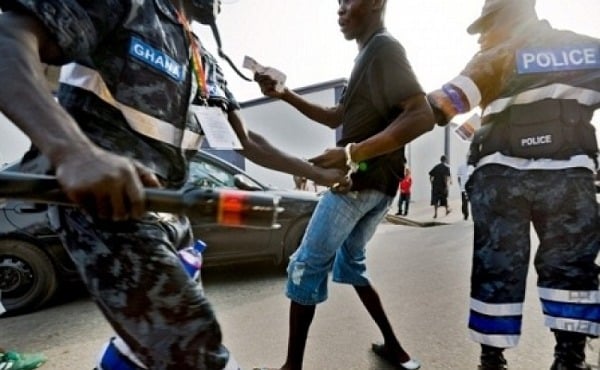
The aftermath of the December 7, 2024, general elections in Ghana was marred by incidents of post-election violence, allegedly perpetrated by supporters of the National Democratic Congress (NDC). These acts of vandalism and destruction targeted public and private properties, including storage facilities, collation centers, and billboards, leaving a trail of damage in their wake. The violence prompted swift action from law enforcement agencies, resulting in over 100 arrests. This eruption of unrest has drawn widespread condemnation, with many voices calling for accountability and decisive action to prevent similar incidents in the future.
Atik Mohammed, former General Secretary of the People’s National Convention (PNC), vehemently denounced the post-election violence, characterizing it as shameful and unacceptable. He expressed his strong disapproval of the destruction and emphasized the need for the perpetrators to be held accountable for their actions. Mohammed called upon the security agencies to ensure that all those arrested in connection with the violence are brought before the courts of law to face justice. He commended the ongoing legal proceedings against some of the accused, stating that this is the appropriate course of action to address such unlawful behavior.
Mohammed further urged the police to pursue vigorous prosecution of the cases, advocating for severe penalties for those found guilty. He stressed that such acts of violence undermine the democratic process and tarnish the image of the nation. He argued that imposing stringent punishments would serve as a deterrent, discouraging similar behavior in future elections. His call for accountability resonated with many who believe that impunity should not be tolerated in a democratic society.
The post-election violence raises concerns about the fragility of democratic processes and the potential for political tensions to escalate into destructive acts. While elections are a cornerstone of democracy, the period immediately following elections can be particularly volatile, especially if the results are contested or if there are pre-existing social and political divisions. The incidents in Ghana underscore the importance of robust institutions, including an independent judiciary and a professional police force, to ensure that those who engage in violence are held accountable.
The swift response by law enforcement agencies, including the arrests and subsequent prosecutions, signals a commitment to upholding the rule of law. However, addressing the root causes of post-election violence requires a more comprehensive approach. This includes promoting political tolerance, fostering dialogue among different political factions, and ensuring that grievances are addressed through peaceful and legal channels. It also involves strengthening democratic institutions and promoting civic education to enhance citizens’ understanding of and respect for democratic processes.
Furthermore, the role of political leaders is crucial in promoting peace and stability. Leaders must refrain from inflammatory rhetoric that could incite violence and actively encourage their supporters to engage in peaceful and lawful behavior. They should also accept the outcome of elections and utilize established mechanisms for addressing disputes or contesting results. By upholding democratic principles and promoting a culture of peace, political leaders can contribute significantly to preventing post-election violence and ensuring that elections are conducted in a free, fair, and peaceful manner. The events in Ghana serve as a reminder of the importance of continuous efforts to strengthen democratic values and promote peaceful coexistence in society.









