





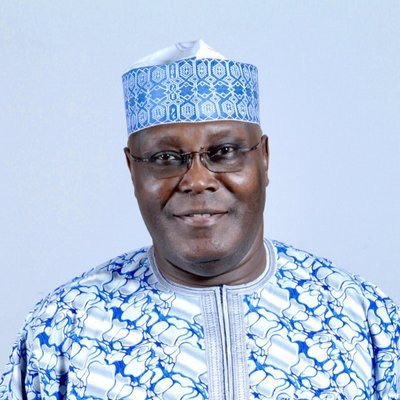
Atiku Abubakar’s Call for a New Political Movement
Former Vice President of Nigeria, Atiku Abubakar, has voiced his concerns about the current state of the nation, emphasizing the urgent need for a new political movement to steer the country back on the right track. Speaking at a coalition meeting in Yola, Adamawa State, Atiku expressed his belief that Nigeria is heading in the wrong direction and requires a fundamental re-engineering to ensure that citizens truly benefit from democracy. He stressed the importance of acting decisively to prevent future generations from becoming "slaves in their fatherland." While refraining from delving into specific political details at the meeting, Atiku promised to break his silence soon on his political stance and address the prevailing issues plaguing the nation. He urged Nigerians to remain vigilant and prioritize the country’s interests, asserting that the forthcoming movement will be the key to their salvation.
Atiku’s call for a new movement comes amidst growing dissatisfaction with the current political landscape in Nigeria. The meeting, attended by members of various political parties from across Adamawa State, signaled a potential shift in political alliances and a growing desire for change. The attendance underscored the sentiment that Nigeria needs a new direction and fresh leadership to tackle its multifaceted challenges. Senator Ishaku Abbo, who organized the meeting, affirmed his unwavering support for Atiku, stating that the former Vice President’s chosen platform would be their party. This declaration of loyalty highlights the potential for Atiku to galvanize support from various political factions as he prepares to articulate his vision for the future of Nigeria.
Adewole Adebayo’s Critique of the Tinubu Administration
Meanwhile, Adewole Adebayo, the 2023 presidential candidate of the Social Democratic Party (SDP), has offered a scathing assessment of President Bola Tinubu’s administration. Adebayo characterized the administration as a failure and a colossal disappointment, citing its perceived shortcomings in addressing critical issues such as security and socioeconomic development. He lamented the persistent crises gripping the nation and criticized what he perceived as intimidation and lawlessness within the National Assembly and in Rivers State. Adebayo accused Tinubu of being more focused on international affairs than on the pressing needs of Nigerian citizens, emphasizing the urgent need for leaders who prioritize serving the people over personal gain.
Adebayo’s critique underscores the growing concerns about the direction of the country under Tinubu’s leadership. He highlighted the stark contrast between the rhetoric of political leaders and the lived realities of ordinary Nigerians, who continue to grapple with poverty, insecurity, and a lack of opportunities. Adebayo stressed the importance of addressing these fundamental challenges rather than focusing on political maneuvering and power struggles. His assessment reflects a sentiment shared by many Nigerians who are looking for decisive action and tangible improvements in their lives. The issues raised by Adebayo highlight the need for a thorough evaluation of the government’s performance and a renewed commitment to addressing the needs of the Nigerian people.
The Convergence of Concerns and the Call for Change
Both Atiku’s call for a new political movement and Adebayo’s critique of the Tinubu administration point to a growing consensus that Nigeria requires a new approach to governance. The convergence of these perspectives from different political figures suggests a potential shift in the political landscape, as citizens and leaders alike recognize the need for change. The emphasis on re-engineering the country, prioritizing the needs of the people, and tackling critical issues such as security and socioeconomic development highlights the shared concerns that are driving this call for change. The coming months will likely see increased political activity as various actors position themselves to address these challenges and offer alternative visions for the future of Nigeria.
The current political climate in Nigeria is marked by a sense of urgency and a growing demand for accountability. The challenges facing the nation are complex and multifaceted, requiring innovative solutions and strong leadership. As the political discourse intensifies, it is crucial for leaders to engage in constructive dialogue and prioritize the interests of the Nigerian people. The call for a new movement and the critique of the current administration reflect a growing desire for a more responsive and effective government that can address the pressing needs of the nation and ensure a brighter future for all Nigerians. The political landscape is poised for transformation as citizens and leaders alike seek to chart a new course for the country.








