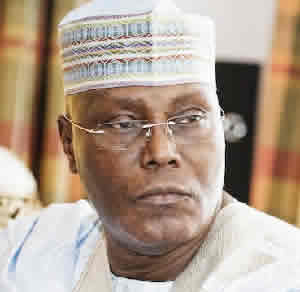
The 2023 presidential election cycle in Nigeria has sparked a renewed debate on the principle of rotational presidency, a long-standing, albeit informal, agreement to alternate the presidency between the North and South. This arrangement aims to ensure equitable representation and prevent domination by either region. Atiku Abubakar, the Peoples Democratic Party’s (PDP) presidential candidate in the 2023 election, has challenged the assertion by Senator George Akume, Secretary to the Government of the Federation, that Northern aspirants should postpone their presidential ambitions until 2031. Akume’s argument rests on the premise that President Bola Tinubu, a Southerner, should be allowed to complete a second term, thereby extending Southern control of the presidency.
Atiku countered this position by highlighting what he perceives as a discrepancy in the duration of Northern and Southern presidential tenures. He calculated that by 2027, the South will have held the presidency for 17 years, encompassing Olusegun Obasanjo’s eight years, Goodluck Jonathan’s five years, and the potential eight years of Bola Tinubu. In contrast, the North’s tenure would only total 11 years, comprising Umaru Yar’Adua’s three years and Muhammadu Buhari’s eight years. This disparity of six years, Atiku argues, undermines the principle of equitable power-sharing between the two regions. He further questioned the performance of the Tinubu administration and its worthiness for re-election.
The underlying tension in this debate revolves around the concept of power balance in a diverse nation like Nigeria. The informal agreement of rotational presidency seeks to address historical grievances and foster a sense of inclusion among various ethnic and regional groups. However, this arrangement also raises complex questions about meritocracy, democratic choice, and the potential for political manipulation. Critics argue that focusing solely on regional representation can overshadow the importance of electing qualified and competent leaders, regardless of their origin.
Atiku’s response to Akume’s call for Northern restraint underscores a deep-seated concern about the potential for marginalization. While the principle of rotational presidency aims to prevent domination by any single region, its implementation can inadvertently create new imbalances. The six-year difference in presidential tenures, as highlighted by Atiku, exemplifies this potential pitfall. The perception of inequity, regardless of its basis in reality, can fuel political tensions and undermine the very unity that the rotational system intends to promote. This dynamic necessitates a broader national conversation on how to balance the competing demands of regional representation and the selection of capable leaders.
Beyond the immediate political implications, this debate touches upon fundamental questions about the nature of democracy and the distribution of power. While rotational presidency offers a mechanism for inclusive governance, it also raises concerns about the limitations it might impose on voter choice. The argument for allowing the electorate to freely choose their leaders, regardless of regional origin, holds significant weight in a democratic system. However, in a context marked by historical power imbalances and ethnic tensions, the unrestricted application of this principle can also lead to the exclusion of certain groups from the political process.
The ongoing discussion about rotational presidency in Nigeria highlights the challenges of balancing competing interests in a diverse nation. Finding a sustainable solution requires a delicate approach that respects the principles of democracy while addressing the historical and political realities that necessitate power-sharing arrangements. The debate between Atiku and Akume serves as a microcosm of this larger national conversation, prompting a critical examination of how to best ensure equitable representation and effective governance in a complex and evolving political landscape. The crux of the matter lies in finding a system that not only promotes fairness and inclusivity but also allows for the selection of leaders capable of addressing the pressing challenges facing the nation.