





The Ghana School Feeding Programme, in partnership with the African Union Development Agency (AUDA-NEPAD), stands as a beacon of innovation in Africa, pioneering a robust monitoring system for home-grown school feeding programs. This system, supported by the World Food Programme (WFP), leverages cutting-edge digital tools for verification, minimizing errors and human interference to effectively combat hunger and poverty. The program underscores the critical role school feeding plays in bolstering nutrition, improving children’s health, and enhancing educational outcomes. AUDA-NEPAD’s visit to Ghana served as a platform for mutual learning, with the delegation gaining insights into Ghana’s best practices and sharing their own experiences to further refine the program’s efficacy across the continent. This collaborative approach emphasizes the importance of cross-continental knowledge sharing and the adoption of best practices for maximizing the impact of school feeding programs.
Central to AUDA-NEPAD’s vision is the empowerment of local farmers. The Home Grown School Feeding initiative prioritizes the utilization of locally sourced produce, thereby invigorating local economies while simultaneously improving children’s nutrition, ensuring food security and safety. This dual-pronged approach not only addresses immediate nutritional needs but also fosters long-term economic growth and sustainability within communities. By creating a direct link between school feeding programs and local farmers, the initiative creates a symbiotic relationship that benefits both the children and the local agricultural sector. This focus on local sourcing ensures the freshness and quality of the food while also reducing reliance on imported goods and strengthening local food systems.
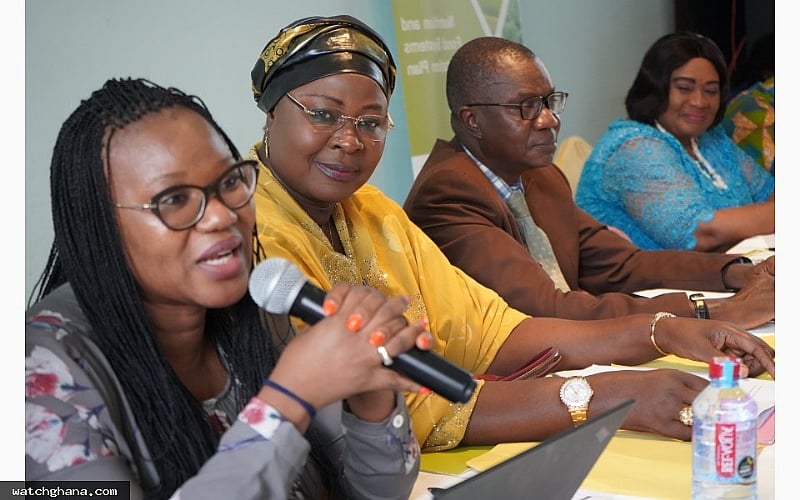
During a stakeholder consultative workshop held in Accra, Ms. Kefilwe Moalosi, AUDA-NEPAD’s Nutrition Programme Director, highlighted the multifaceted benefits of the Home Grown School Feeding program. She emphasized the program’s contribution to alleviating hunger, boosting school attendance and enrollment, reducing dropout rates, and improving students’ academic performance. Ms. Moalosi commended the Ghana School Feeding Programme’s management for forging strong links between caterers and local farmers, thus fostering community engagement and economic development. This integrated approach demonstrates the program’s commitment to holistic development, recognizing the interconnectedness of education, nutrition, and economic empowerment.
The commitment to providing nutritious meals was further underscored by Mad. Paulina Abbey, Director of the Food Safety Desk at the Ministry of Food and Agriculture. She highlighted the Ministry’s focus on enhancing the quality of school meals through the utilization of tools that facilitate nutritious meal planning. Recognizing the complexity and expertise required for effective meal planning, the adoption of such tools streamlines the process and ensures that children receive balanced and nutritious meals, further contributing to their overall health and well-being. This emphasis on meal planning reflects a dedication to quality assurance and the importance of providing meals that meet the specific nutritional needs of growing children.
Dr. Clement Adjorlolo, Principal Programme Officer at AUDA-NEPAD, articulated the organization’s broader objectives, encompassing the incubation of high-impact projects, promoting knowledge sharing, and fostering partnerships for resource mobilization. He emphasized the importance of collaborative efforts in achieving zero hunger and lauded Ghana’s leadership and commitment to expanding the reach of its school feeding program. Dr. Adjorlolo’s remarks highlighted the need for a multi-pronged approach, encompassing innovation, knowledge dissemination, and strategic partnerships, to effectively address the complex challenges of food insecurity and malnutrition. This integrated strategy recognizes the importance of working across sectors and leveraging the expertise and resources of various stakeholders to achieve sustainable and impactful results.
The Ghana School Feeding Programme’s success is reflected in the significant increase in the number of children benefiting from school feeding programs across Africa. Data from the AU indicates substantial growth in program reach, underscoring the growing recognition of the importance of school feeding in improving children’s well-being and educational outcomes. This expansion highlights the ripple effect of successful initiatives, inspiring other countries to adopt and adapt similar programs to address their own challenges related to food insecurity and child nutrition. The Ghana School Feeding Programme serves as a testament to the power of collaborative efforts and the transformative potential of well-designed and effectively implemented school feeding initiatives. The program’s commitment to continuous improvement, its focus on local empowerment, and its embrace of innovative technology position it as a model for other countries seeking to address the complex challenges of hunger, poverty, and educational disparities.








