









During the 2024 Ghanaian presidential election campaign, John Dramani Mahama, the presidential candidate of the National Democratic Congress (NDC), made several significant promises to the electorate. These promises, which resonated with a large segment of the population grappling with economic hardship, became central to his campaign narrative and played a crucial role in his electoral victory. Among the most prominent of these commitments were pledges to stabilize the volatile exchange rate by bringing the dollar down to 5 cedis, reducing the price of the staple food kenkey to 1 cedi, and empowering farmers, particularly those involved in poultry production, by providing them with day-old chicks.
These promises, while seemingly simple, held profound implications for the Ghanaian economy and the daily lives of its citizens. The fluctuating exchange rate had become a major concern, driving up the cost of imported goods and contributing to inflationary pressures. A stable exchange rate at 5 cedis to the dollar, as promised by Mahama, would have significantly alleviated these economic burdens. Similarly, the pledge to reduce the price of kenkey, a widely consumed food item, addressed the rising cost of living, which had disproportionately impacted low-income households. The promise to provide day-old chicks aimed to stimulate the poultry industry, create employment opportunities, and improve food security.
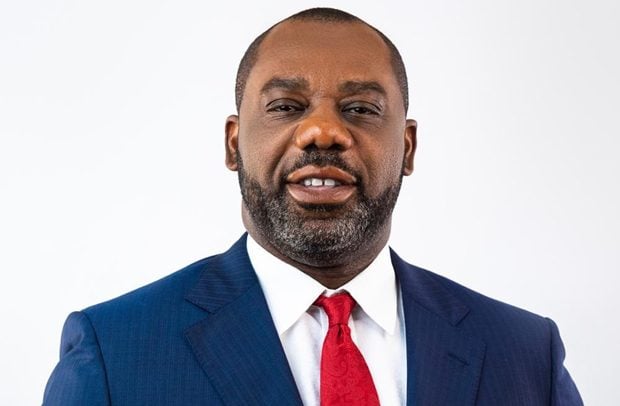
Following Mahama’s victory in the presidential election, these campaign promises have become the focal point of public expectation. Dr. Matthew Opoku Prempeh, also known as NAPO, has voiced the sentiments of many Ghanaians, emphasizing that citizens are keenly awaiting the fulfillment of these commitments. His statements reflect the widespread anticipation and the hope that Mahama’s administration will swiftly address the pressing economic challenges facing the nation. The pronouncements regarding the exchange rate, kenkey price, and day-old chicks have transitioned from campaign rhetoric to benchmarks against which the new government’s performance will be measured.
The significance of these promises extends beyond their immediate economic implications. They represent a social contract between the elected president and the electorate, embodying the hopes and aspirations of a nation yearning for economic stability and improved living conditions. The fulfillment of these pledges would not only address pressing economic concerns but also reinforce public trust in the political process and the ability of elected officials to deliver on their commitments. Conversely, a failure to deliver on these promises could lead to public disillusionment and erode confidence in the government.
The electoral victory of John Dramani Mahama and the NDC’s attainment of a parliamentary majority provide the necessary political mandate and legislative framework for the implementation of these promised policies. This alignment of executive and legislative power offers a unique opportunity to translate campaign pledges into concrete action. However, the successful implementation of these initiatives will require careful planning, effective resource allocation, and a commitment to transparency and accountability. The government will also need to navigate complex economic realities and address potential challenges, such as external market forces and unforeseen economic shocks.
As the Mahama administration prepares to assume office, the nation awaits the realization of these campaign promises. The fulfillment of these commitments will be crucial not only for the economic well-being of Ghanaians but also for the political legitimacy and stability of the government. The focus now shifts from the rhetoric of the campaign trail to the practicalities of governance, and the nation holds its breath, anticipating tangible improvements in their daily lives and the overall economic landscape. The coming months and years will reveal whether these promises translate into tangible realities or remain unfulfilled aspirations.









