









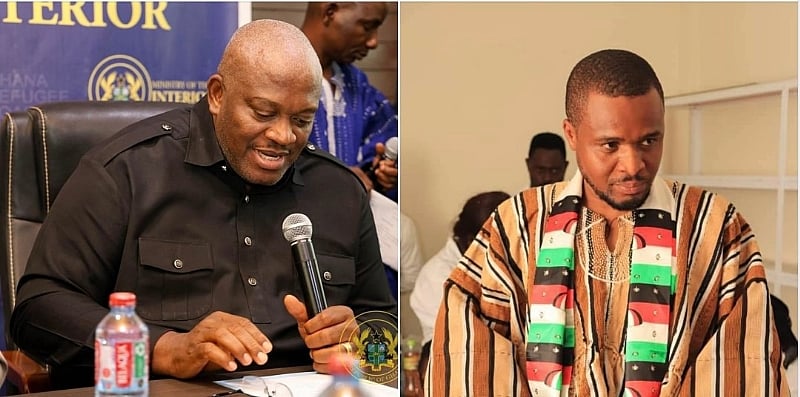
The political landscape of the Ayawaso Central Constituency is becoming increasingly dynamic as both the ruling New Patriotic Party (NPP) and the National Democratic Congress (NDC) ramp up their campaigning efforts in anticipation of the December 7 elections. Incumbent Member of Parliament Henry Quartey from the NPP is going head-to-head once again with his 2020 rival, Abdul Rauf Tongym Tubazu of the NDC. This contest not only has the potential to reinforce the NPP’s entrenched control in the area but also to indicate a significant political divide that could signal a shift towards the NDC. Based on analyses by Channel One News reporters Christopher Kevin Asima and Bennard Abeiku Okyere, the dynamics within the constituency paint a comprehensive picture of the evolving electoral landscape.
Ayawaso Central, located at the heart of Greater Accra Region, boasts a diverse and bustling population, numbering approximately 94,831 as of the 2021 census, marking a high density of 16,759 individuals per square kilometer. The constituency encompasses various neighborhoods, including Alajo, Accra New Town, Kpehe, Pig Farm, Mallam Atta, Kotobabi, Caprice, and Kokomlemle, showcasing a rich mix of ethnic groups, primarily Akans and Ewes. The constituency is divided into five electoral areas: Maamobi West, Kwoatsuru, Maamobi East, Nima West, and Kanda, and is host to several significant institutions. However, despite its development, Ayawaso Central grapples with ongoing issues, such as chronic flooding in specific areas, including Kotobabi and Pig Farm, particularly during the rainy season. This challenge, coupled with residents’ demands for completed drainage projects, is likely to significantly influence voter sentiment as the elections approach.
Historically, Ayawaso Central has been a firm stronghold for the NPP, securing victories during parliamentary and presidential elections from 1996 to 2016. Notably, in the 1996 presidential race, NPP’s John Agyekum Kufuor defeated NDC’s Jerry John Rawlings by a margin of over 2,000 votes. This voting trend continued in the 2020 elections, where NPP’s Nana Addo Dankwa Akufo-Addo garnered more than 32,000 votes against John Dramani Mahama of the NDC, who received approximately 29,000 votes. The parliamentary seat has likewise been claimed by the NPP, particularly between 2004 and 2020, with Henry Quartey first elected in 2012 and maintaining his position through successful re-elections in 2016 and 2020 against formidable NDC contenders. As the 2024 elections approach, the race will include not only Quartey and Tubazu but also an independent candidate, Charles Kwame Adams from the National Democratic Party (NDP), intensifying the political contest.
In terms of strategy, the NPP is banking on the accomplishments of its government, highlighting policies such as the Free Senior High School (SHS) initiative, Planting for Food and Jobs, and the One District, One Factory campaign aimed at garnering voter support. Party leaders are confident these initiatives resonate well with both steadfast supporters and undecided voters. Conversely, the NDC is poised to capitalize on localized grievances and the popularity of its presidential candidate, John Dramani Mahama. The NDC is critical of the incumbent MP, arguing that he has not sufficiently tackled the constituency’s pressing needs. Observations made by constituents indicate a growing discontent with the status quo, prompting calls for a transformation in representation.
Some constituents have begun expressing intentions to adopt a “skirt and blouse” voting pattern, wherein they may opt for a presidential candidate from one party while supporting a parliamentary candidate from another. This trend could pose significant challenges for both the NPP and NDC, necessitating responsive strategies to appeal to voters on a more personal level, as the electoral outcome will largely depend on candidates’ accessibility and performance within the constituency itself. Individual sentiments regarding parliamentary candidates reveal mixed feelings among the constituents. For instance, Kwasi Anno, a lottery operator in Kotobabi, mentions Quartey’s assistance to graduates and his reputation for benevolence, albeit he expresses a waning interest in the NPP overall. Grace Asante, a trader from Pig Farm, speaks highly of Quartey’s familiarity and perceived capacity for development in the constituency, indicating that the electorate is increasingly valuing direct engagement and the candidate’s tangible impacts over rigid party allegiance.
This intricate political landscape in Ayawaso Central underscores the evolving electoral dynamics as stakeholders engage actively in campaign strategies while responding to local issues. The outcome of the December 7 elections could be pivotal not only for the constituency but also for the broader political narrative in Ghana, reflecting shifting voter sentiments and priorities amid shifting affiliations between local candidates and national parties. Voter engagement strategies focusing on practical developmental needs, direct interactions, and the visibility of candidates may likely determine the competitive edge in this crucial electoral race, shaping prospects for either the NPP or the NDC moving forward.









