









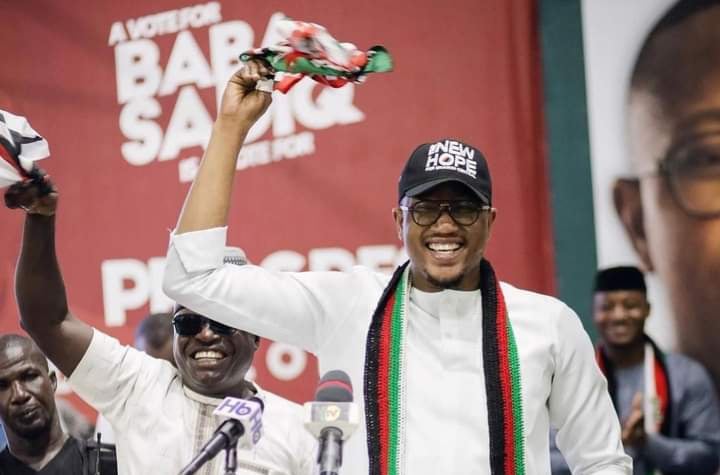
The 2024 general elections in Ghana witnessed a dramatic shift in political power within the Okaikwei Central Constituency. Abdulai Abu Baba Abubakar Sadiq, the National Democratic Congress (NDC) candidate, emerged victorious after a closely contested race against the incumbent Member of Parliament, Patrick Yaw Boamah of the New Patriotic Party (NPP). The election, fraught with controversy and delays, culminated in a recount and a revised declaration by the Electoral Commission (EC), ultimately awarding the parliamentary seat to Sadiq. This victory represents a significant gain for the NDC, wresting control of the constituency from the NPP.
The initial results, which prematurely indicated a win for Boamah, were challenged by the NDC, prompting the EC to re-examine the vote tallies. This intervention proved crucial, as the subsequent review revealed discrepancies and led to the revised declaration in favor of Sadiq. The final count showed Sadiq securing 15,383 votes, narrowly edging out Boamah, who received 14,949 votes. This slim margin underscores the intensity of the competition and the importance of the EC’s meticulous review process. The close nature of the results further highlights the shifting political landscape within the constituency and the growing support for the NDC.
The controversy surrounding the Okaikwei Central election stemmed from anomalies detected in approximately 31 pink sheets, the official documents used to record vote counts at each polling station. These irregularities prompted extensive consultations between the EC, the NDC, and the NPP before a final decision could be reached. The NDC advocated for the utilization of two-thirds of the available polling station results, arguing that this represented a substantial majority (78%) of the total 141 polling stations and provided a valid basis for declaring the results. The NPP, however, contested this approach, although their representative remained notably silent during the critical discussions leading up to the final decision.
The contested pink sheets, central to the dispute, were carefully secured and stored pending further direction from the Greater Accra Regional Director of the EC. This precautionary measure aimed to preserve the integrity of the electoral process and ensure the availability of these crucial documents for any subsequent investigations or reviews. The EC’s commitment to transparency and due process played a vital role in navigating the complexities of this contested election and ultimately ensuring a fair and accurate outcome.
The electoral process in Okaikwei Central was further complicated by significant delays in collation, most notably at the Ansurudeen Islamic School polling station on December 7th. Confusion over available space at the collation center led to disagreements and chaotic scenes, disrupting the smooth flow of the process. The Presiding Officer’s request to reduce the number of party agents present, intended to alleviate the congestion, further exacerbated tensions, ultimately culminating in the destruction of voting booths and causing additional delays. These logistical challenges underscored the importance of adequate planning and resource allocation for future elections to prevent similar disruptions.
Despite the numerous obstacles encountered, including initial inaccurate results, disputes over pink sheets, and logistical challenges at polling stations, the collation process was eventually completed. The final outcome confirmed Abdulai Abu Baba Abubakar Sadiq as the duly elected Member of Parliament for Okaikwei Central. This victory marked a significant political shift in the constituency, reflecting the dynamic nature of Ghanaian politics and the evolving preferences of the electorate. Sadiq’s triumph signifies a renewed mandate for the NDC in Okaikwei Central and sets the stage for a new chapter in the constituency’s political representation.









