









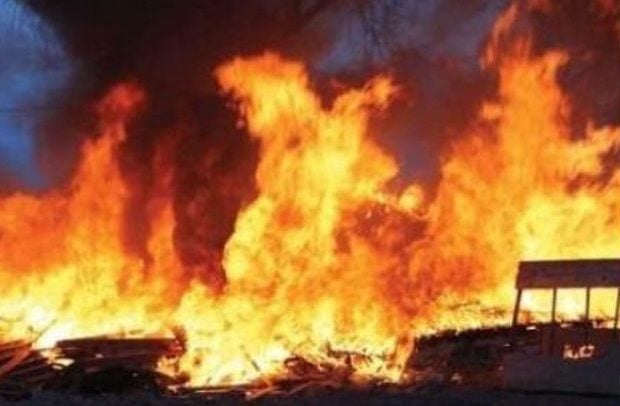
The early Tuesday morning fire at the Kwashieman Cluster of Schools in Accra, Ghana, has ignited a wave of concern and speculation, primarily due to the presence of ballot boxes from the Ablekuma North constituency within the affected building. The fire, which erupted around 1:40 a.m., originated in the school’s library, the designated storage area for the election materials. While firefighters battled the flames for over two hours, achieving significant containment, the fire remained active at the time of initial reports, underscoring the intensity and potential destructiveness of the blaze. The incident immediately raised questions, particularly given the sensitive nature of the stored materials and their direct link to the electoral process.
The Ghana National Fire Service, through its Public Relations Officer, Alex King Nartey, confirmed the ongoing efforts to extinguish the fire and initiate investigations into its cause. The absence of a definitive explanation for the fire’s origin further fuels speculation and underscores the need for a thorough and transparent investigation. The discovery of partially burned ballot papers outside the school premises adds a layer of complexity to the situation, raising immediate concerns about potential attempts to compromise the integrity of the electoral process. This discovery transforms the incident from a simple fire into a potentially serious breach of electoral security, demanding urgent and comprehensive scrutiny.
The firefighters, under the guidance of their operations commander, demonstrated commendable professionalism and efficiency in containing the fire and preventing its spread to adjacent structures. Their swift action limited the damage to the library building and its contents, safeguarding nearby buildings from the destructive force of the blaze. This containment, while crucial in minimizing physical damage, does not alleviate the concerns surrounding the potential compromise of election materials and the broader implications for the electoral process.
The central issue now revolves around assessing the extent of damage to the election materials and reconstructing the sequence of events leading to the fire. The presence of burned ballot papers outside the school raises several critical questions. Were these papers removed from the library before the fire started? Were they burned elsewhere and then placed outside the school? Or did they somehow escape the library during the fire and subsequently ignite? These questions highlight the need for a meticulous investigation, encompassing forensic analysis, witness testimonies, and a comprehensive review of security protocols at the school.
The incident underscores the vulnerability of election materials and the importance of robust security measures to safeguard the integrity of the electoral process. The discovery of the burned ballot papers intensifies suspicions of foul play and necessitates a thorough investigation to determine if the fire was accidental or a deliberate act of sabotage. The potential consequences of electoral malpractice are significant, potentially undermining public trust in the democratic process and creating instability. Therefore, a transparent and comprehensive investigation is paramount, not only to determine the cause of the fire but also to assure the public of the integrity of the electoral process.
The fire at the Kwashieman Cluster of Schools serves as a stark reminder of the critical importance of safeguarding election materials and ensuring the transparency and security of the electoral process. The incident demands a thorough and impartial investigation, leaving no stone unturned in the pursuit of truth and accountability. The findings of the investigation should be made public to address public concerns and ensure confidence in the electoral process. Furthermore, this incident should prompt a review of election security protocols nationwide to prevent similar incidents in the future and reinforce the integrity of Ghana’s democratic institutions. Any evidence of deliberate tampering with election materials should be met with swift and decisive action to uphold the principles of free and fair elections and maintain public trust in the democratic process.









