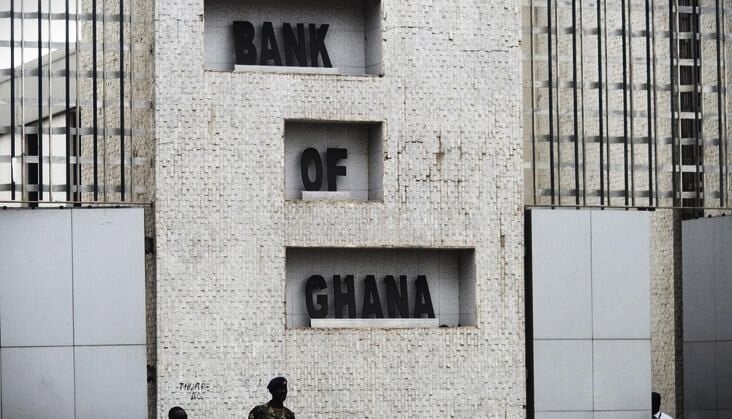
The Bank of Ghana is poised to introduce comprehensive digital lending guidelines by August 2025, aimed at curbing the exploitation of Ghanaians by online lending platforms. The move comes in response to growing concerns about predatory lending practices targeting vulnerable populations, particularly young people and informal workers, who are often lured into debt traps through enticing offers, only to be burdened with hidden fees and subjected to harassment. The guidelines will establish a regulatory framework to govern both bank-led and non-bank digital lending models, ensuring transparency, consumer protection, and ethical lending practices.
The upcoming guidelines will address key areas of concern, including licensing and authorization of digital lenders, mandatory disclosure of loan terms and interest rates, robust data protection and customer privacy protocols, and ethical debt recovery practices. The Bank of Ghana aims to strike a balance between protecting borrowers, especially the most vulnerable, from exploitation and fostering a conducive environment for responsible digital lenders, including banks and their fintech partners, to operate and innovate. Digital lending platforms are encouraged to review their current operations and align them with the forthcoming regulations to ensure compliance.
The initiative underscores the Bank of Ghana’s commitment to promoting financial inclusion while safeguarding consumers from the potential risks associated with digital lending. The proliferation of online lending platforms has expanded access to credit for many Ghanaians, but has also given rise to a number of challenges, including unethical debt collection practices, data breaches, limited financial literacy, and erosion of consumer trust. The guidelines seek to address these challenges and promote sustainable growth in the digital lending sector.
The Bank of Ghana recognizes the potential of digital lending to drive financial inclusion, particularly for segments of the population with limited access to traditional banking services. However, the current landscape is marred by unscrupulous practices that exploit borrowers, undermining the potential benefits of digital lending. Hidden fees, exorbitant interest rates, and aggressive debt collection tactics, including public shaming and threats, have created an environment of fear and distrust among borrowers. The guidelines are designed to restore trust and ensure that digital lending serves as a tool for financial empowerment rather than exploitation.
The implementation of these guidelines will require collaboration between the Bank of Ghana, digital lending platforms, and other stakeholders. Education and awareness campaigns will be crucial to enhance financial literacy among consumers and empower them to make informed borrowing decisions. Regular monitoring and enforcement of the guidelines will be essential to ensure compliance and maintain the integrity of the digital lending ecosystem. The Bank of Ghana is committed to fostering a responsible digital lending landscape that benefits both borrowers and lenders.
The digital lending guidelines represent a proactive step toward protecting consumers and promoting responsible innovation in the financial sector. By establishing clear rules and standards, the Bank of Ghana aims to create a level playing field for digital lenders, encourage transparency, and build consumer confidence. The guidelines will also contribute to the broader objective of fostering financial inclusion by ensuring that digital lending services are accessible, affordable, and safe for all Ghanaians. The upcoming guidelines mark a significant step towards a more regulated and consumer-centric digital lending environment in Ghana.