





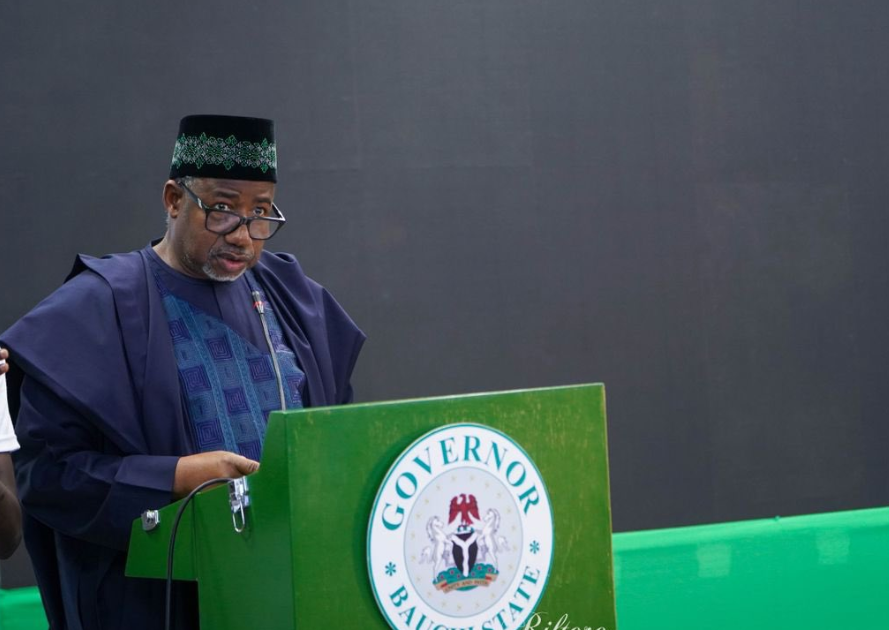
The absence of Bauchi State Governor, Bala Mohammed, from a New Year’s Day visit by Nigerian governors to President Bola Tinubu’s residence in Lagos sparked speculation and fueled pre-existing political tensions. Governor Mohammed, who also chairs the Peoples Democratic Party Governors’ Forum (PDP-GF), a prominent opposition bloc, was conspicuously missing from the gathering, which included governors from various states and political affiliations. This absence immediately drew attention, particularly given the recent public disagreements between Mohammed and the Presidency concerning proposed tax reforms. The timing of the visit, coinciding with a period of heightened political discourse and scrutiny, inevitably led to interpretations linking Mohammed’s non-attendance to the ongoing policy debates.
The backdrop to this incident was a series of increasingly sharp exchanges between Governor Mohammed and the Presidency. Leading up to the New Year’s visit, Mohammed had voiced strong opposition to President Tinubu’s proposed tax reforms, arguing that they would disproportionately burden citizens and exacerbate economic hardship. The Presidency, in response, had accused the governor of issuing veiled threats against the President and undermining the government’s efforts to stabilize the economy. Mohammed retorted, accusing the Presidency of resorting to blackmail tactics to silence dissenting voices and reaffirming his commitment to opposing the reforms. This public back-and-forth created a charged atmosphere, making Mohammed’s subsequent absence from the governors’ visit all the more noticeable and open to conjecture.
Adding another layer of complexity to the situation was the pre-existing political dynamic between Governor Mohammed and President Tinubu. As a leading figure within the opposition PDP, Mohammed represents a contrasting political perspective to Tinubu’s ruling All Progressives Congress (APC). The two leaders have often found themselves on opposing sides of key policy debates, reflecting the broader ideological and strategic divisions within the Nigerian political landscape. This inherent tension contributed to the speculation surrounding Mohammed’s absence, with some observers interpreting it as a deliberate snub or a sign of deepening political fissures.
However, the official explanation provided by Governor Mohammed’s spokesperson, Mukhtar Gidado, painted a different picture. Gidado clarified that the governor’s absence was due to a personal bereavement, the death of his 102-year-old stepmother, Hauwa Duguri, which occurred on the same day as the presidential visit. He emphasized that the governor was in mourning at his country home in Duguri, attending to funeral arrangements and receiving condolences. Gidado dismissed any connection between Mohammed’s absence and the ongoing political tensions with the Presidency, urging against politicizing a private family matter. He stressed that the governor’s focus was entirely on mourning his stepmother and fulfilling his familial obligations during a difficult time.
This clarification aimed to dispel the growing speculation and reframe the narrative surrounding Mohammed’s absence. By attributing it to a personal tragedy, the governor’s spokesperson sought to remove the incident from the realm of political maneuvering and present it as a matter of personal circumstance. However, despite this explanation, the timing and context of the absence continued to fuel discussion and interpretation. The confluence of the recent political disagreements, the high-profile nature of the governors’ visit, and the sensitive timing of the bereavement created a complex and multifaceted situation open to varying interpretations.
Ultimately, the incident highlighted the intricate interplay between personal circumstances and political dynamics. While the official explanation emphasized the personal and familial obligations that prevented Governor Mohammed from attending the presidential visit, the pre-existing political tensions and the ongoing policy debates inevitably colored the public perception of his absence. The incident served as a reminder of how personal events can become entangled with political narratives, particularly in a climate of heightened scrutiny and intense political competition. It underscored the challenges of separating private life from public perception, especially for individuals holding prominent political positions who are constantly under public scrutiny.








